

AirDNA's 2026 Midyear Outlook: What It Means for Hosts

Every summer, AirDNA puts out a report that everyone in the STR space skims for 10 seconds and forgets. This one's worth more than that.
The 2026 Midyear Outlook, released July 8, tracks what's happening with occupancy, pricing, and new supply halfway through the year. And the headline number isn't what a lot of hosts expect: Things are holding up better than the "market is crashing" narrative going around Facebook groups and Reddit threads.
The Big Number: Occupancy Is Holding Steady
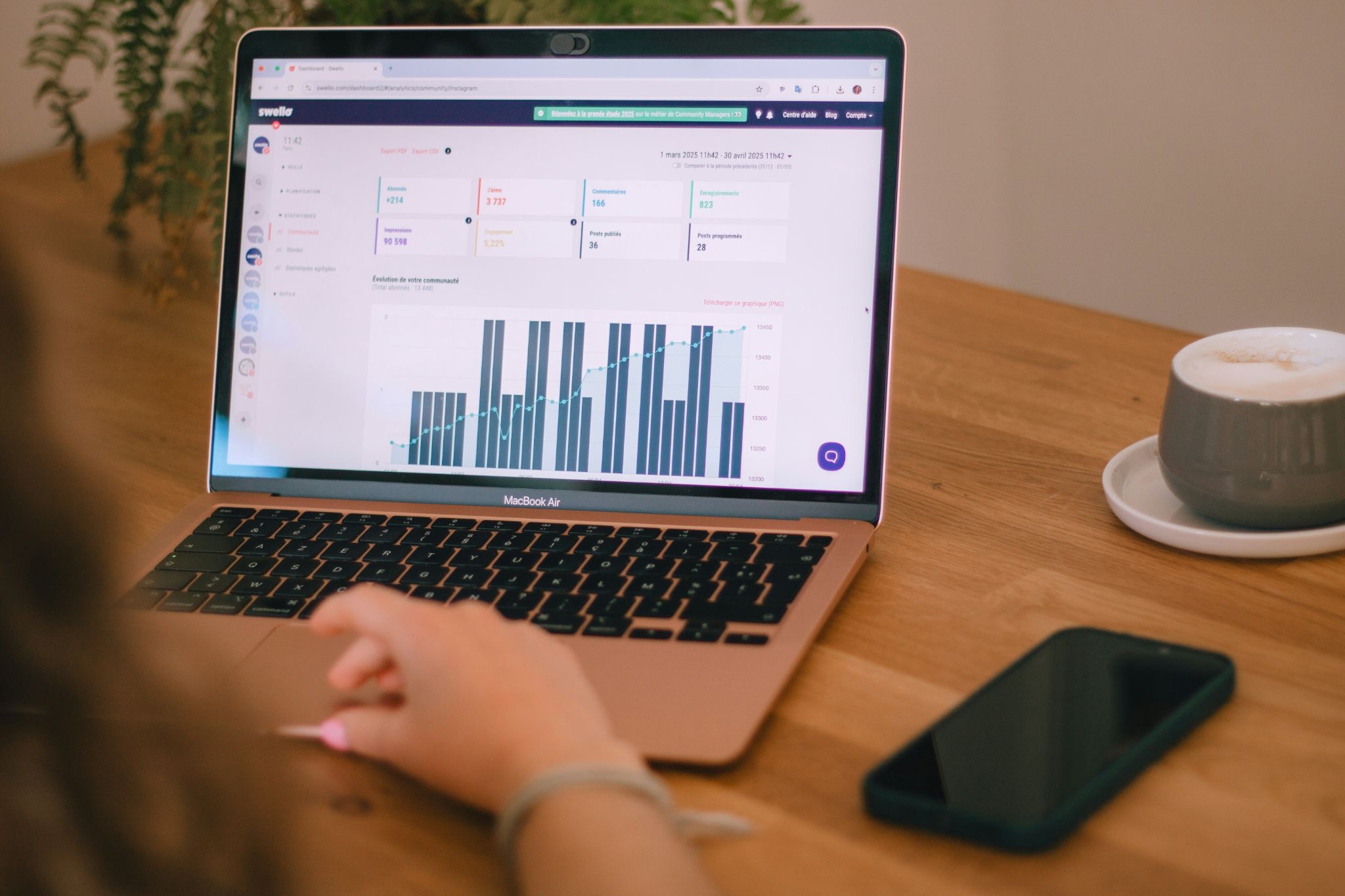
National occupancy is forecast to average 57.4% for 2026. That's above the pre-pandemic average of 57%. Demand and available listings are both projected to grow 2.7%, and RevPAR is expected to climb 2.9% for the year. This is a steady year, with pricing doing more of the work than raw booking volume.
Why Rates Are Doing the Heavy Lifting
Nightly rate growth accelerated from 0.7% year over year in January to about 3% by spring. Operators are making more money per night this year. They aren't necessarily filling more nights.
The mechanism traces back to new supply, or the lack of it. AirDNA expected mortgage rates to drop this year, which usually brings a wave of new investors into the space. That didn't happen. Renewed inflation, driven partly by the war in Iran and the energy shock that followed, pushed mortgage rates back above 6%, and new investment got delayed. Fewer new listings competing for the same guests means existing operators get more pricing power right now. If you already own a property, this is a good year to test raising your rates instead of racing to the bottom on price.
Travelers Are Changing How They Book

The report also flags a real shift in booking behavior. Lead times are shrinking, meaning guests are booking closer to their trip dates. Trips themselves are getting shorter. And travelers are increasingly choosing larger homes, prioritizing space and shared value for groups over smaller, cheaper units.
If your listing is a 1 or 2 bedroom competing against larger group-friendly homes in your market, this is worth paying attention to heading into next year's furnishing or renovation decisions.
International Demand Is Splitting Hard by Country

Domestic travel is still carrying most of the demand, but international bookings tell a more complicated story. Overall international STR demand ran 12% below last spring's levels. Canada saw the steepest drop, down 32% from 2024. Parts of Western Europe pulled back too.
This is a meaningful hit if your market leans on Canadian or European travelers specifically. It's worth checking your own booking data by guest origin rather than assuming the national international trend applies evenly to your listing.
The World Cup Effect Is Real, but Wildly Uneven

Back in April, our piece on U.S. tourism shrinking asked exactly this question. It wrapped months ago, but the pattern AirDNA found is worth remembering for the next big event in your market, a festival, a concert, a convention, anything that spikes demand suddenly.
The 2026 FIFA World Cup ran June 11 through July 19 across 16 host cities in the US, Canada, and Mexico. It wrapped weeks ago, but the pattern AirDNA found is worth remembering for the next big event in your market, a festival, a concert, a convention, anything that spikes demand suddenly.
Market
World Cup Booking Growth (YoY)
- Guadalajara, Mexico
+250%+
- Monterrey, Mexico
+250%+
- Mexico City, Mexico
+89%
- Kansas City, MO
+72%
- Dallas/Fort Worth, TX
+59%
- Miami/Fort Lauderdale, FL
+55%
- San Francisco, CA
Noticeably slower than other host markets
- Seattle, WA
Noticeably slower than other host markets
- Vancouver, BC
Noticeably slower than other host markets
- New York, NY
-5% (already one of the most expensive markets pre-tournament)
If your market wasn't a World Cup host city, you may have still seen spillover demand. It showed up in towns 1 to 3 hours outside host cities, including Providence, RI, Columbia, MO, and Broken Bow Lake, OK, as travelers looked to dodge premium host city pricing.
One more wrinkle worth knowing: Rapid new supply capped some of the occupancy gains you'd expect from a demand spike this large. In Kansas City specifically, available nightly rates during group-stage games surged from around $191 in 2025 to $706 in 2026, but what guests booked at only rose from about $194 to $287. That gap between what hosts asked and what guests paid showed up across several host markets, not just Kansas City.
Where RevPAR Is Growing

Market
RevPAR Growth, 2026 YTD
San Francisco, CA
+12.1%
Anaheim, CA
+11%
Philadelphia, PA
+10.1%
Meanwhile, the strongest new supply growth is expected in more affordable small-city, rural, and mid-size markets. This is a lower barrier to entry for new investors, but it also means more competition is coming to those specific areas. If you're weighing where to buy next, our rental arbitrage market check breaks down which cities currently have the widest gap between long-term rent and short-term revenue, worth checking alongside the supply data here.
What This Means If You're Buying or Already Own
If you already own in a tighter-supply market, this is a good year to test rate increases rather than compete on price. If you're buying, check what's happening with new listing growth in your target market specifically, not the national average. If your market leans on international guests, check which countries they're coming from before assuming the national trend applies to you. And if you were near a World Cup host city, the tournament didn't automatically help everyone equally, some markets saw triple-digit demand growth, others barely moved.
If you're closer to the buying stage than the optimizing stage, our full framework for buying your first rental property walks through exactly how to weigh a market like this before you commit. Browsing Host Camp's vetted STR listings is also a fast way to see real deals with the revenue and return numbers already worked out. And before you write an offer anywhere, check the zoning rules first, since a great supply story doesn't matter if the parcel can't legally support what you're planning.
AirDNA CEO Rohit Bezewada put it simply: "National averages only tell part of the story." The operators making money this year aren't the ones reading headlines. They're the ones checking what's happening with supply, demand, and pricing in their specific city.
If you've never pulled your own market's data before, AirDNA is the same tool this entire report is built on, and Host Camp members get 10% off through our existing partnership.
Run your own numbers on Does It Pencil →


