

He Turned $27,000 of Land Into a $6 Million Business
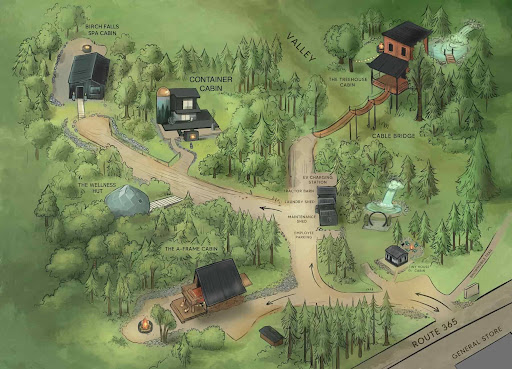
One of our most well-known Host Campers, Chris Broomfield, spent 35 years building custom homes for other people. Million-dollar views, handcrafted details, decades of skilled work, and none of it was his. No equity, no assets, nothing to pass down to his kids.
So he bought 5 acres in Remsen, New York, population around 3,000, for $27,000. Remsen sits right on the western edge of Adirondack Park, about 18 miles, a 20-25 minute drive, from Utica, the nearest real city. Not a hot Airbnb market. Cold winters, a general store across the street, a lake down the road. He built a single A-frame cabin, mostly for his own family to use when they drove up from Connecticut.
The First Cabin
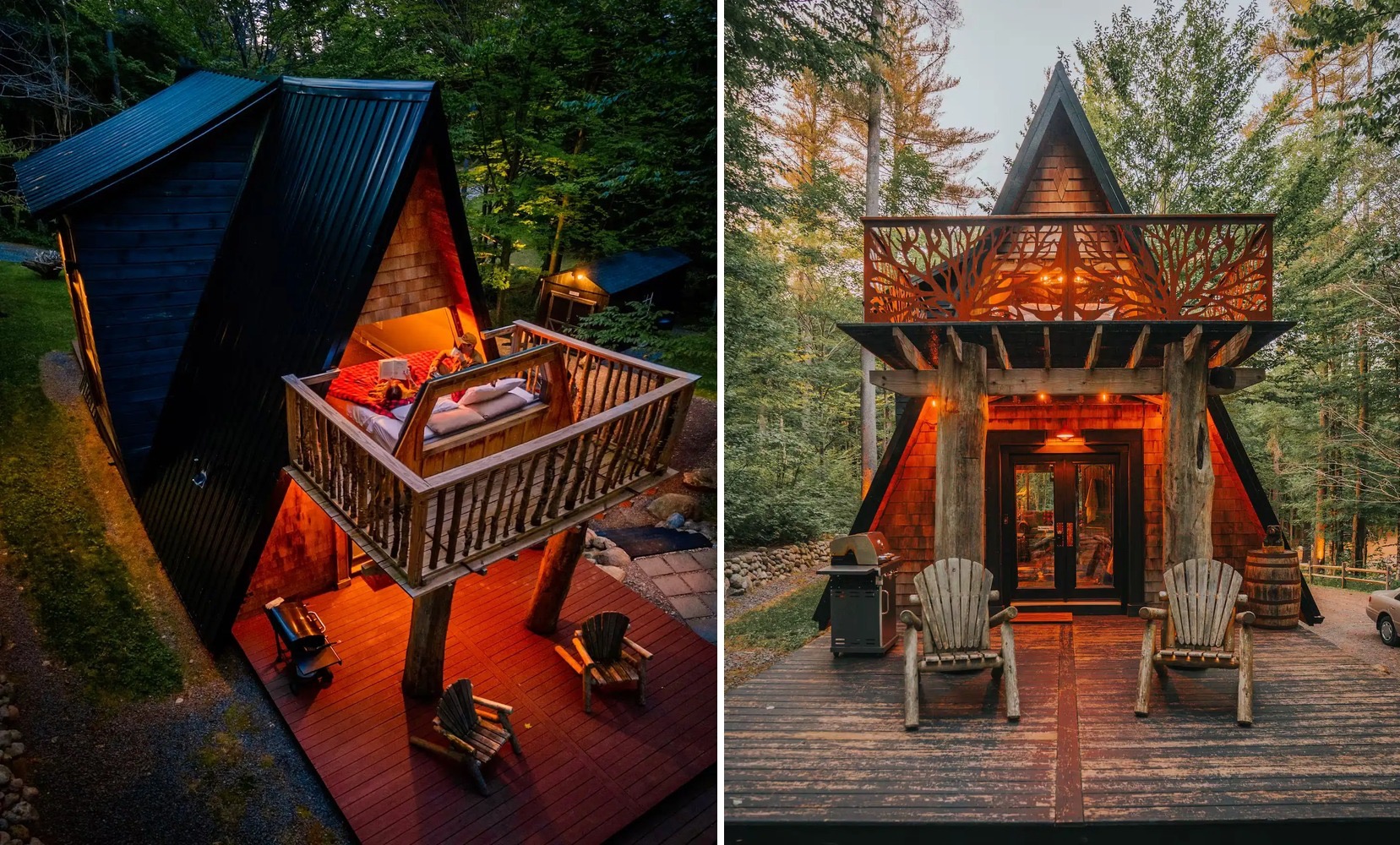
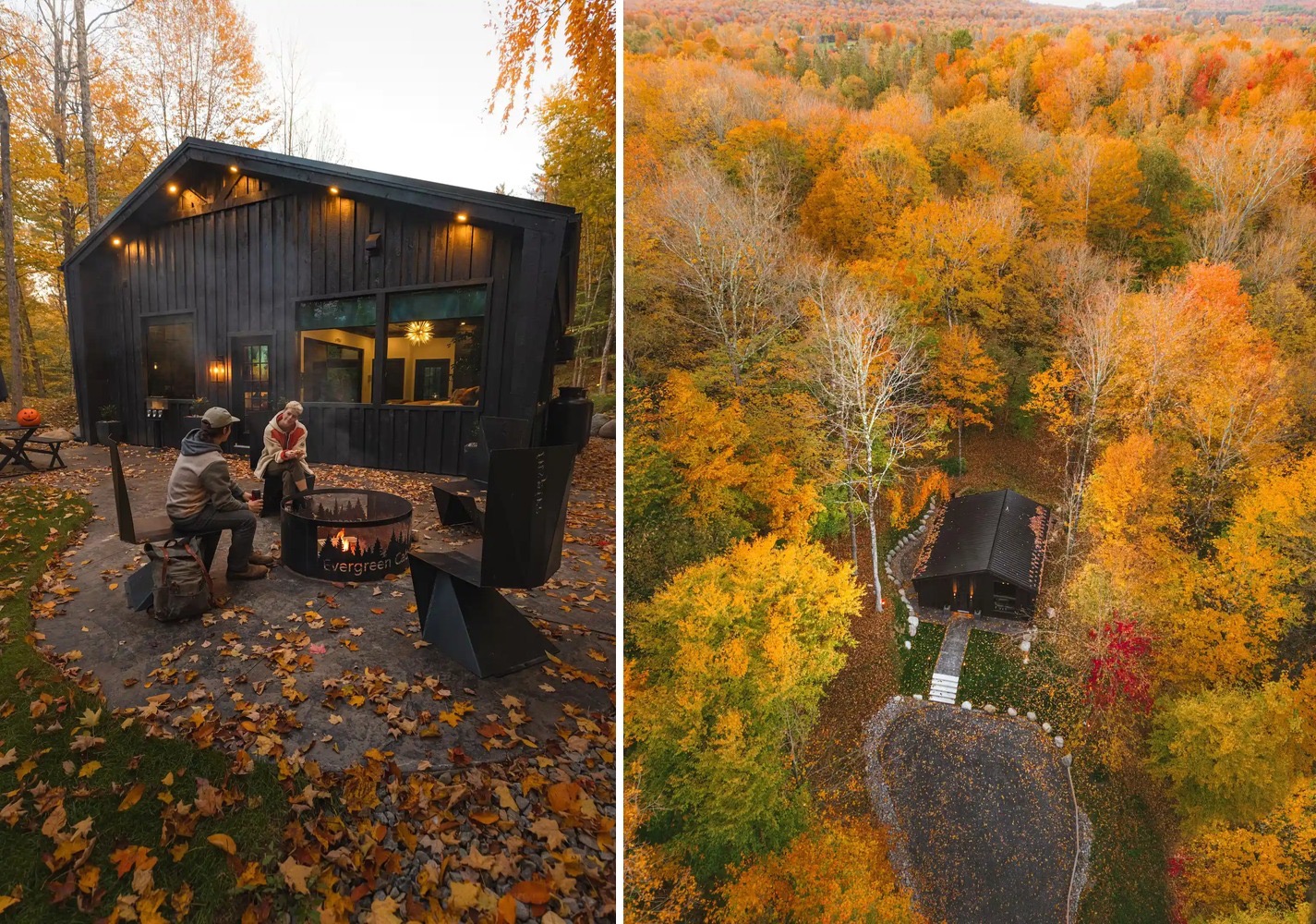
Chris picked the land deliberately: hills and valleys that let him separate future cabins for privacy, directly across from a general store, and near a 10-mile lake. He did the build himself. Framing, trim, cabinetry, it was his actual trade. The A-frame cost $90,000 all-in, compared to the $160,000 to $170,000 a crew would have charged for the same build.
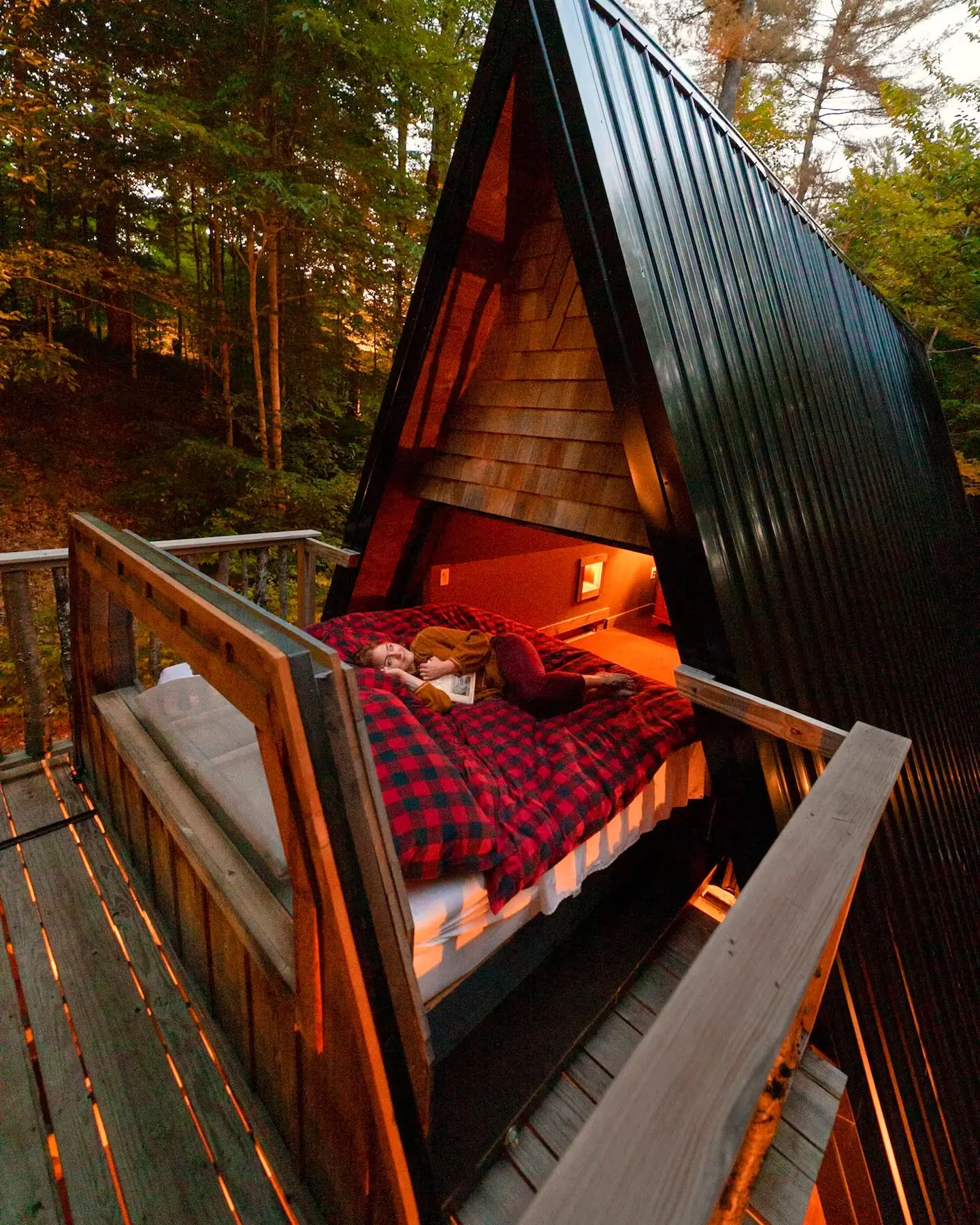
The cabin had one feature that set it apart before anything went viral. Chris loves sleeping outside, his wife doesn't, so he built a bed that slides the entire room outside at the push of a button. That single feature is what first put Evergreen Cabins on the map. When it wasn't booked by family, he listed it on Airbnb, just photos and a hope someone would show up.
It launched in July 2015 at $60 a night. The first 6 months brought in $7,000. He nudged the rate up as bookings kept coming, $70, then $80, then $100. By year 2, gross revenue hit $70,000. By year 3, it was running $100,000 to $115,000 a year, a roughly 94% cash-on-cash return on a $90,000 build, compared to the 8% to 12% considered strong in traditional real estate.
The Mistake That Cost Him Hundreds of Thousands
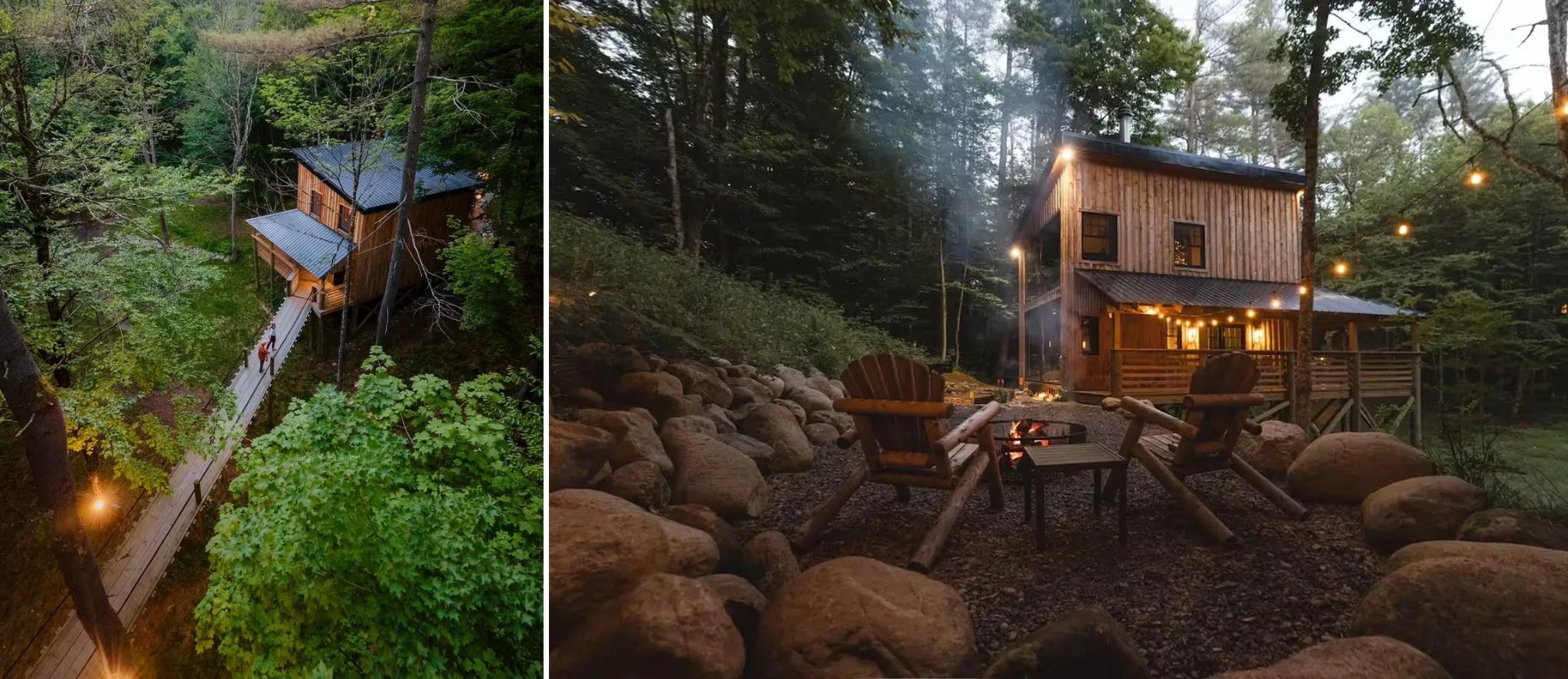
Chris built a second cabin, a treehouse designed with his kids, connected by a cable bridge across a ravine. It cost $175,000 and started earning $400 to $450 a night almost immediately. One night, staying there himself, he heard a loud thunk, a deer had rammed into the cabin, confused by its own reflection in the glass. His fix: a pond out front to break the reflection.

Then a guest posted a TikTok of the treehouse. It hit 7 million views in a week. Every date on both cabins booked solid for 3 years, all at his existing rates. He never raised them. "Which was silly of me," he said. "I should have done that immediately, and I didn't. I got locked in for 3 years on the old pricing." The math on just a $50 to $100 nightly increase, across 2 properties, over 3 years of bookings, runs into hundreds of thousands of dollars left on the table.
Birch Falls
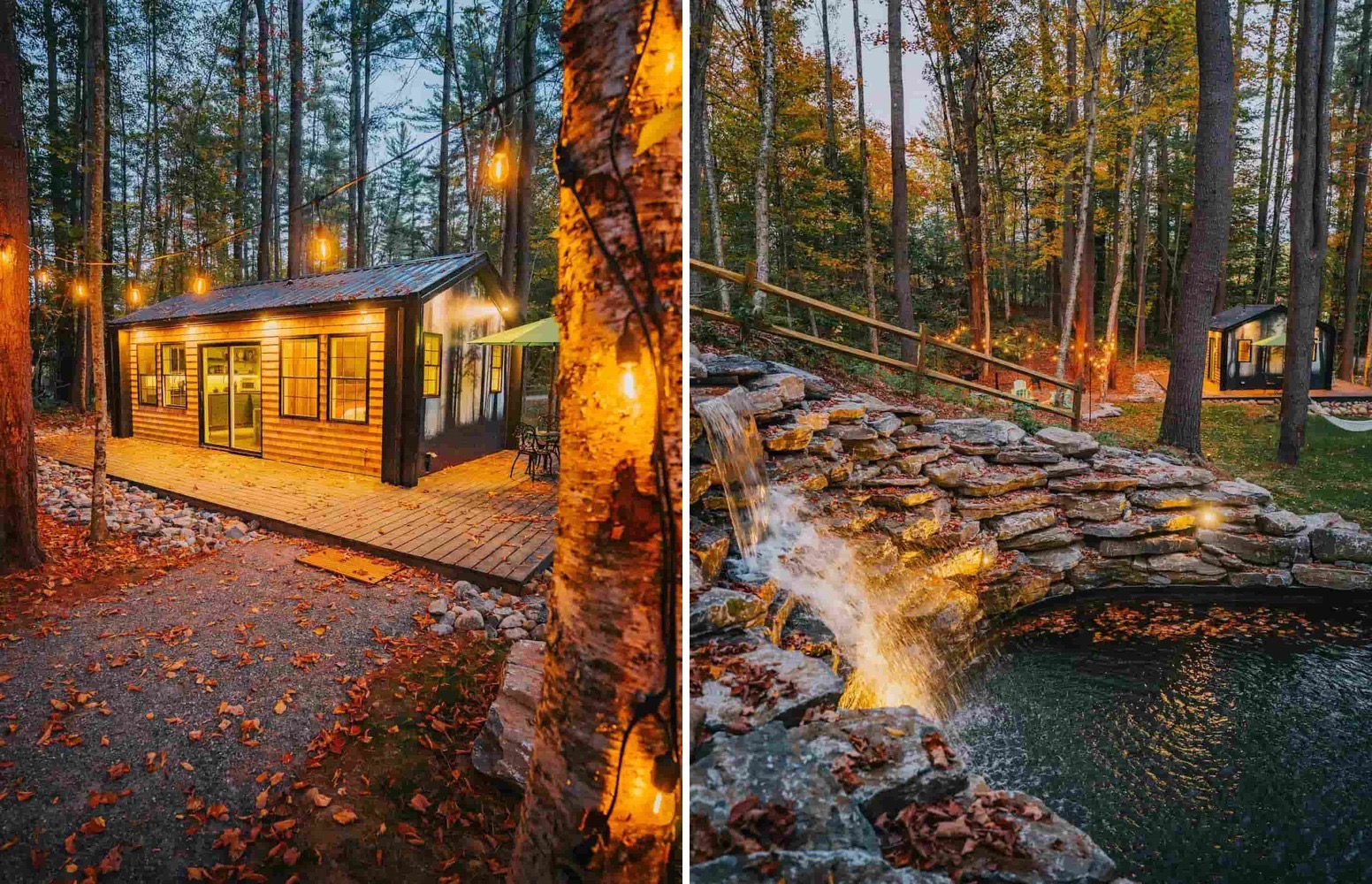
Chris kept building. Birch Falls, a third cabin, ran into a real problem: the property's waterfalls looked stunning but froze and flooded every winter. His fix was to bring the waterfall inside the cabin. That build, waterfall and spa amenities included, cost $165,000.
The Container Cabin and the Tiny House
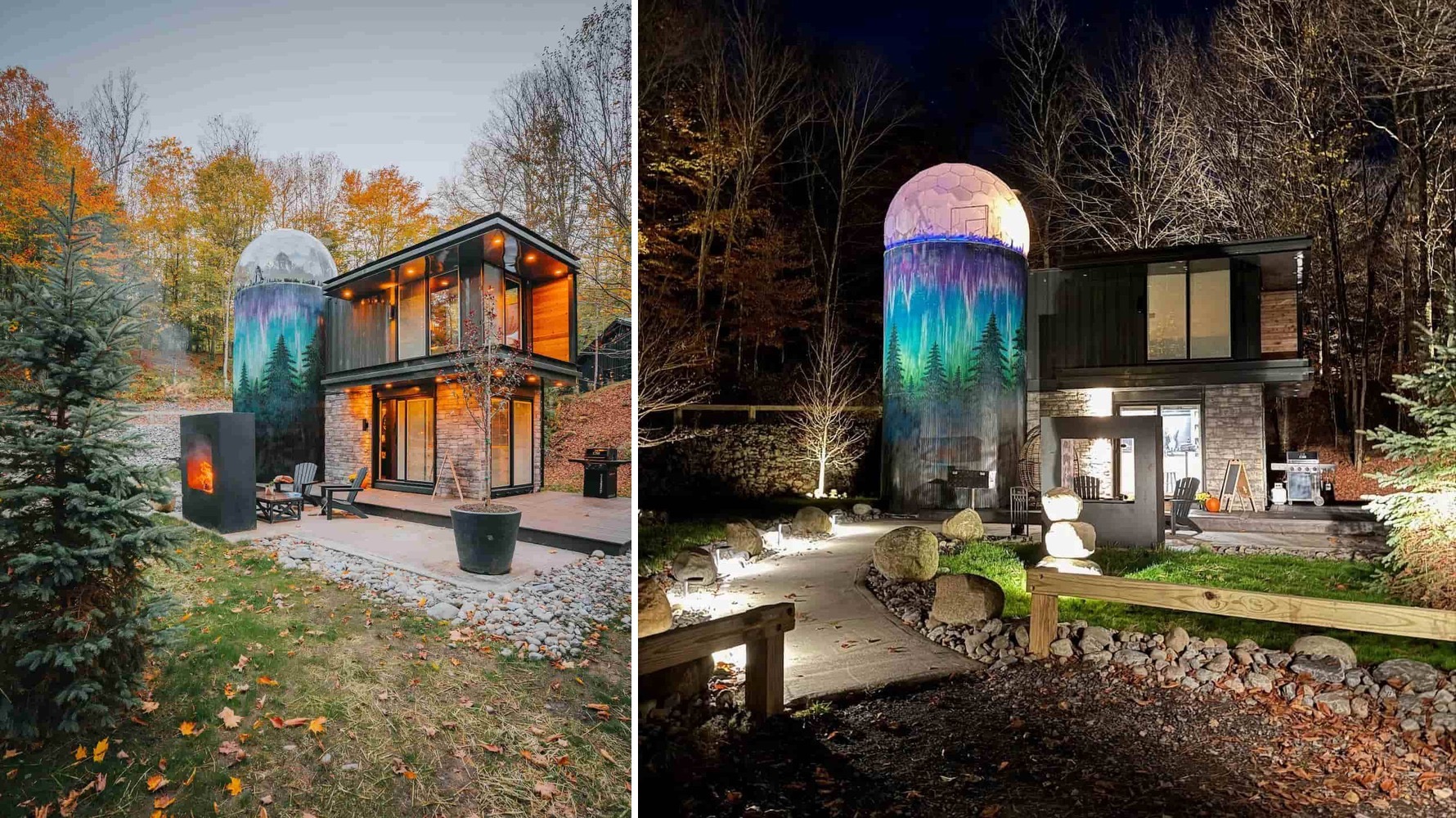
A fourth build, a container cabin, came with its own personal touch: its walls are framed with his daughter's own cabin-idea drawings, and a sky bubble sits on top of a hand-painted silo right next to it.
The fifth structure was for himself. After building 4 units for guests, Chris needed somewhere to actually stay when he was on his own property, so he built a tiny house. He barely markets it, it's not designed to compete with the others for bookings, it's simply his. Even with almost no promotion, it's still on pace to bring in $60,000 to $70,000 this year.
That replaces the single combined section, now each of the 5 units gets its own clearly named beat: The First Cabin, The Mistake That Cost Him Hundreds of Thousands (treehouse), Birch Falls, and The Container Cabin and the Tiny House.
What Changes When You Go From One Property to Five
Building a cabin is the easy part. Running 5 of them is a different job entirely. Once bookings, guest messages, cleaners, pricing, and calendars are spread across multiple units, a side project starts operating like a hospitality business, and handling all of it manually stops being sustainable fast. Chris's operation runs on the same fundamentals any multi-unit operator needs: a shared booking and messaging system, dedicated cleaning and maintenance staff, and enough structure that adding a sixth unit wouldn't mean starting over.
The Full Picture
- Total land cost: $27,000 (5 acres)
- A-frame build cost: $90,000, projected $150,000-$155,000 gross revenue in 2026
- Treehouse build cost: $175,000, grew to $125,000-$130,000 gross revenue by year 2
- Birch Falls (spa cabin) build cost: $165,000, projected $145,000-$150,000 gross revenue in 2026
- Container cabin: launched 4 months ago, already booked $70,000, projected $170,000-$180,000 in 2026
- Tiny house: minimally marketed, projected $60,000-$70,000 in 2026
- Total projected gross revenue, 2026: ~$680,000
- Total annual overhead (mortgage, taxes, utilities, insurance, cleaning, maintenance): ~$252,000
- Projected net profit, 2026: ~$430,000
- Estimated brand/asset value: $5.5-6 million
Want to see what a deal like this looks like with your own numbers? Does It Pencil runs the same cash flow, cap rate, and cash-on-cash math Chris used to know these builds would work.
Chris's story isn't just anecdotal, CNBC Make It has covered Evergreen Cabins twice, citing $2.1 million in total revenue since the first unit launched in 2018.
What Works
Chris isn't just running 5 cabins, he built a brand. 160,000 Instagram followers, a 60,000-person email list, and 90% of bookings coming through his own direct booking site rather than Airbnb. An audience that books direct is what turns a rental into a sellable business.
He's already looking for the next piece of land to repeat the model somewhere else, with the eventual goal of selling the brand entirely.
After 35 years building other people's dream homes, Chris quit carpentry entirely. Now he runs Evergreen Cabins and consults, and spends his time with family instead of on someone else's job site.
His Advice for Anyone Starting From Scratch

Chris was asked directly what he'd tell someone who wants to do something like this. His answer: "Be authentic. Do what you would enjoy. Build something that you would enjoy. Not what makes sense financially." He added that people chasing this kind of project often read the numbers and assume the end goal is more money, when the actual goal is more time and more enjoyment.
You don't need 5 cabins. One piece of land and the willingness to build something you care about is enough to start
What To Steal
- Do the work yourself if you have the skill. Chris's carpentry background cut his first build cost nearly in half, and that gap is what pushed his cash-on-cash return to 10 times the industry benchmark. It's the same pattern behind Sebastian's Puerto Rico build, DIY labor plus a refusal to quit through hurricane damage, bad crews, and a mold that nearly failed mid-pour, and the same math shows up in both.
- Raise your rates once demand proves itself. Underpricing to get initial reviews and ranking makes sense early. Staying underpriced after demand spikes is how you leave 6 figures on the table.
- Solve the specific problem your land throws at you. A frozen waterfall became an interior feature. A deer strike became a reflection-breaking pond. Neither killed the project.
- Build toward a brand, not just a rental. A direct-booking audience and an email list are what make a portfolio sellable as a business, not just valuable as real estate.
Chris has been a Host Camp member for 3 years. If you're sitting on land or a property right now and want help figuring out your next step, book a free strategy call with the Host Camp team →


