

Peek the Playbook: How They Turned a $55k Treehouse into a $30 Million Airbnb Brand (and Survived a Ban)

Before Bolt Farm Treehouse became one of the most recognizable short-term rental brands in the U.S., it was just a passion project—a single treehouse built with free labor, reclaimed materials, and a lot of heart.
No real estate background. No development experience.
And then that treehouse went viral.
Millions of views. Features in Travel + Leisure, HGTV, and more.
A calendar booked out six months in advance. And it was time to scale it into an empire.
So how did Seth and Tori Bolt turn a $55,000 DIY build into a $30 million destination brand? And how did they survive a short-term rental ban that nearly wiped them out? Keep reading.
From a $55,000 Treehouse to a $30M Brand
When Seth first decided to build a treehouse in Walhalla, South Carolina, people were skeptical. It wasn’t a tourist hotspot or a buzzing vacation town. It was quiet, rural, and overlooked.
But Seth saw the nearby Blue Ridge Mountains and believed that if the experience was special enough, people would travel for it.
What started as a passion project became deeply personal when Seth met and fell in love with Tori. He wanted the treehouse to be worthy of their honeymoon —romantic, magical, and unforgettable.
That intention never left the project. It became the foundation of the brand.
With almost no construction budget, Seth relied on friends and family to help build the treehouse using reclaimed wood and salvaged materials.
What came out wasn’t polished luxury—it was soulful, warm, and completely different from anything else on Airbnb. And it worked.
The internet noticed, and the treehouse exploded online. What started as one stay quickly evolved into Bolt Farm, a destination brand with more than 24 units.

What Makes Bolt Farm Different
Bolt Farm is a romance-first escape brand built around nature, wellness, and intentional design.
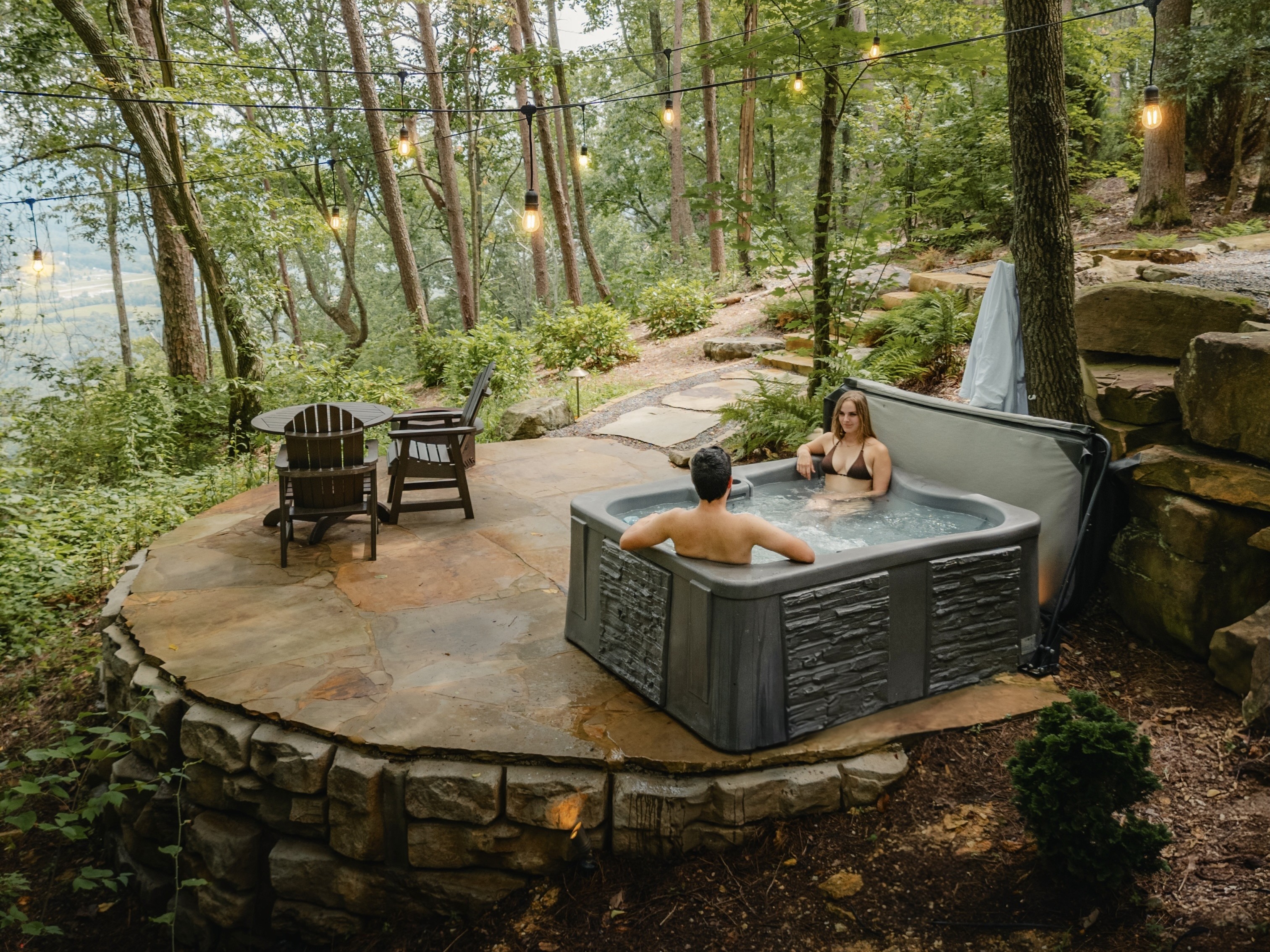
Every stay—whether it’s a treehouse, dome, mirror cabin, or cliffside unit —is designed to create the same feeling: privacy, romance, and a wow moment guests can’t replicate anywhere else.
Design decisions are deliberate:
- Nature-forward architecture
- Expansive glass and views
- Indoor-outdoor living
- Spaces that frame the landscape instead of competing with it
- Rustic, charming interiors
Amenities reinforce the experience:
- Hot tubs tucked into the woods
- Mirrored saunas
- Steam rooms
- Fire pits
- Spa facilities
- Hiking trails
These features perfectly cater to a specific guest: couples, honeymooners, and people craving a romantic or wellness reset.
Bolt Farm doesn’t try to please everyone. That focus is exactly why it knocked it out of the park.
The Results: When Experience Meets Execution
Bolt Farm reportedly operates at around 93% occupancy.
Average daily rates climbed dramatically, from roughly $111 per night in the early days to $500–$600+ per night as demand surged and the brand grew.
By year two, the business was generating around $150,000 annually.
Fast forward to today:
- Over 24 units
- $2.4 million in net operating income (after expenses, before debt)
But the valuation and equity are where things get really interesting.
Unlike a typical home, a resort-style STR like Bolt Farm is valued as a commercial property, not a residential one.
That means valuation is based on income, not comps.
Using a conservative 8% cap rate, a $2.4M NOI translates to a valuation of roughly $30 million—and that’s before factoring in future units.

How Bolt Farm Scales the Experience (Not Just the Doors)
Most hosts scale by adding units. Bolt Farm scaled the experience first.
They layered in proposal packages, romance add-ons, curated farm experiences, wellness retreats, live music, seasonal events, yoga, spa services, and onsite dining.
This approach did more than boost revenue:
- It turned Bolt Farm into a bucket-list destination stay
- Created multiple income streams
- Increased demand before adding new units
- Made the brand harder to replace or copy
- Creates year-round demand
The Curveball: STR Bans & Restrictions
Motivated by their massive success, the Bolts scaled to Wadmalaw Island, SC. Seeing a lack of existing zoning, they assumed it was a green light and invested all their life savings, building four luxury treehouses without securing long-term regulatory approval.
It was a serious mistake many land buyers make.
Just as they finished, the county passed a new ordinance—an effective ban that limited them to just 72 rental nights per year, destroying their business model overnight.
The Cost: A two-year battle with hostile locals, mass booking refunds, and financial ruin. They were evicted from their own property, down to their last $500.
The Survival Pivot: Stuck with an unsellable asset, they had to get creative. When COVID hit, they pivoted to long-term monthly stays for couples with cancelled honeymoons.
Their offer: "Stay for a month for the price of a week." This generated crucial cash flow, proved the property's value, and allowed them to finally sell and break even.
They didn't stop there though, they planned to rebuild all over again in Whitwell, Tennessee.
The Strategic Comeback
They carried one brutal lesson to Tennessee: secure all entitlements first, always. But the experience pushed them to come back stronger:
- Validating Demand & Creative Financing Strategies: With only $500, they used property renderings to pre-sell over $1 million in future reservations. This audacious move provided undeniable proof of concept to secure their construction loan.
- Owning the Audience: They committed fully to 100% direct bookings, building a brand immune to platform fees and algorithms, focusing on creating "guests for life."
- Innovating to Scale: They revolutionized their build process, switching from expensive, slow stick-building to efficient pre-fabrication, slashing construction timelines and controlling costs as they scaled to 24+ units.
The Bigger Playbook: What Airbnb Investors Can Learn
Build something unforgettable
Create something that stands out. Thanks to their rustic style and reclaimed materials, Bolt Farm looks nothing like any other treehouse on Airbnb. The best designs tell a story.
Brand is leverage
When platforms change or regulations tighten, brand equity and recognition become your safety net when you need to pivot or move.
Diversify experiences to beat seasonality
Multiple unit types attract different guests at different times of the year, stabilizing revenue.
Regulation-proof your investments
Always verify permits, meet with counties, and assess neighbors before buying property or land. An area with zero regulations is a red flag.
Own your audience
Bolt Farm’s massive Instagram following and direct bookings turned a listing into a business. Social media and direct booking require consistency, and they made both a central part of their strategy, not an afterthought. That and a story guests connect with is how they built a successful 100% direct booking short-term rental business.
Reinvest instead of cashing out
It’s tempting to live it up when your first Airbnb starts printing money.
But Seth and Tori reinvested profits into scaling faster—more units, better experiences, stronger brand equity.
Choose the market before it's cool
Walhalla wasn’t a tourism hot spot when Seth started.
But it did have one thing that mattered: Natural beauty.
They got in while it was affordable and built something people would travel for. Following nature and nearby cities and attractions is how you find profitable Airbnb markets.
.jpeg)
Final Takeaway
Seth and Tori Bolt didn’t have insider access or deep pockets. They had vision, patience, and the willingness to adapt when things went wrong.
If you’ve been waiting for permission to build something different, this is it.
Want an expert eye on your own short-term rental idea?
Book a free call with our team. Or sign up for the Daily Host newsletter for more playbooks like this (plus weekly vetted deals!)


