

Buying Raw Land for Airbnb? Read This First
(1).jpeg)
Remote, nature-focused stays are one of the most in-demand categories on Airbnb right now.
And for a lot of Airbnb hosts, that’s the nudge they’ve been waiting for to stop competing for existing homes and start thinking bigger:
What if I didn’t buy a house… and turned raw land into something unforgettable?
That path can work incredibly well.
But raw land is also where many first-time investors get burned.
Before you buy a “cheap” piece of dirt in the middle of nowhere for your dream remote short-term rental, here’s what you need to know.
Why Raw Land + Nature Stays Are Taking Off
Guests are craving space, privacy, and experiences that feel like a real escape — places they can drive to, unplug, and create memories.
That’s why cabins, glamping units, and thoughtfully designed remote stays often outperform traditional homes when they’re done right.
The problem?
Most Airbnb hosts underestimate how complex raw land actually is.
Raw Land for Airbnb: What STR Hosts Must Know Before You Buy
Raw land isn’t forgiving. Miss one key detail, and your “cheap” deal can turn into an expensive lesson fast.
Here are a few things you need to pay attention to so you don’t fall for common Airbnb land mistakes.
#1 Understand Your Land’s Build Potential Before You Buy
The land might look perfect from the surface, but what’s underneath matters more.
Before buying raw land, you need clear answers to questions like:
- Can this land support a septic system?
- Will it pass a perc test?
- What type of foundation will it require?
- How much will this all cost? Is it still profitable after I factor that in?
Soil conditions can make or break a project. If the land can’t support a standard septic system, you may be forced into alternative systems that cost two to four times more.
This is where many deals fall apart after purchase, and costs suddenly triple.
💡Host Camp tip:
Talk to neighbors. Ask what septic systems they use and what they paid. It’s often the cheapest due diligence you’ll ever do.
#2 Will the Utilities Setup Work for STR Guests
Off-grid sounds cool. It's always trending.
But off-grid doesn’t automatically mean guest-friendly.
You need to think through:
- Water access (well, hauling, or cistern)
- Power (solar systems, batteries and storage, backups)
- Waste (septic vs alternatives)
- Ongoing reliability and maintenance
For STRs, consistency matters. Guests expect hot showers, reliable power, and zero surprises.
Off-grid becomes a problem when investors treat it like a shortcut instead of a tradeoff. Guests won’t be understanding if something fails mid-stay. Your water, septic, and power systems need to handle real monthly guest volume.
#3 Proximity is a BIG Deal: Labor, Materials & STR Logistics
This one’s sneaky.
Remote land has many benefits and perks—but it also means:
- Fewer contractors willing to travel
- Higher labor costs
- Longer build timelines
- Limited backup options if someone flakes
- Fewer chances to check on the property in person
This is why Kai looks for what he calls “The Lucky Seven” before buying land.
Using Google Maps, he searches for local contractors for:
- Foundation/site prep
- Framing
- Roofing
- Plumbing
- Electrical
- Drywall
- HVAC
Then he checks for what he calls “The Big Four” suppliers:
- Lumber yard
- Building supply store
- Concrete plant
- Metal yard
As he searches, he looks for:
- How many contractors exist in the area
- Where they’re located
- Their reviews
- How far are they from the property
Try to start building your STR team before you buy the land.
#4: Land Rules That Kill Airbnb Plans
Just because land looks empty doesn’t mean you can do whatever you want with it.
Local restrictions can limit:
- Short-term rentals
- Number of structures
- Size, materials, or design
- Whether you can rent the property at all
Some investors don’t discover these rules until they’re under contract or after closing.
Always confirm zoning, deed restrictions, and local rules with the county first.
Never rely on “it should be fine.” Do your own research!
#5: Treat Raw Land Like a Business — Not a Passion Project
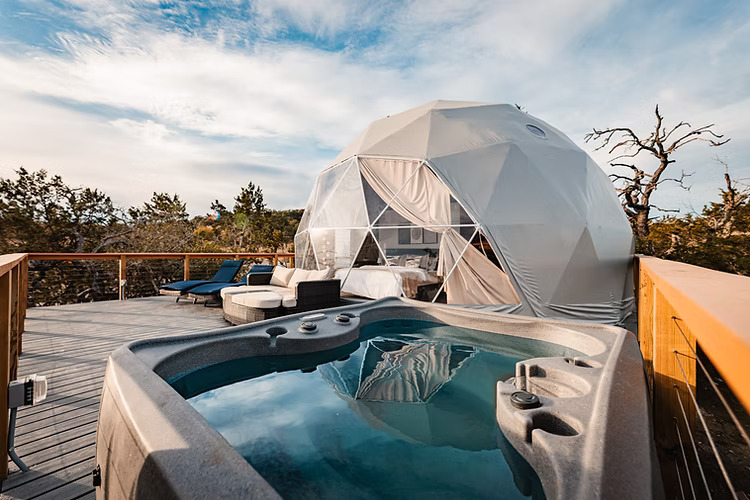
It’s easy to get inspired by geodomes, desert cabins, and off-grid escapes.
But raw land is still a business investment first.
Here are a few key factors many investors overlook:
- Financing can be harder on raw land projects
- Refinancing options may be limited
- You still need an exit strategy, even if you plan to hold
- The fact that “rustic” should never mean uncomfortable or low quality
In some markets, off-grid and ultra-remote stays can serve a smaller guest pool. That means you need to be realistic about occupancy, pricing, and exit strategy.
An exit strategy isn’t optional. Before you buy, think about:
- Who would buy this if I had to exit?
- Could this appeal to a future investor or owner-operator?
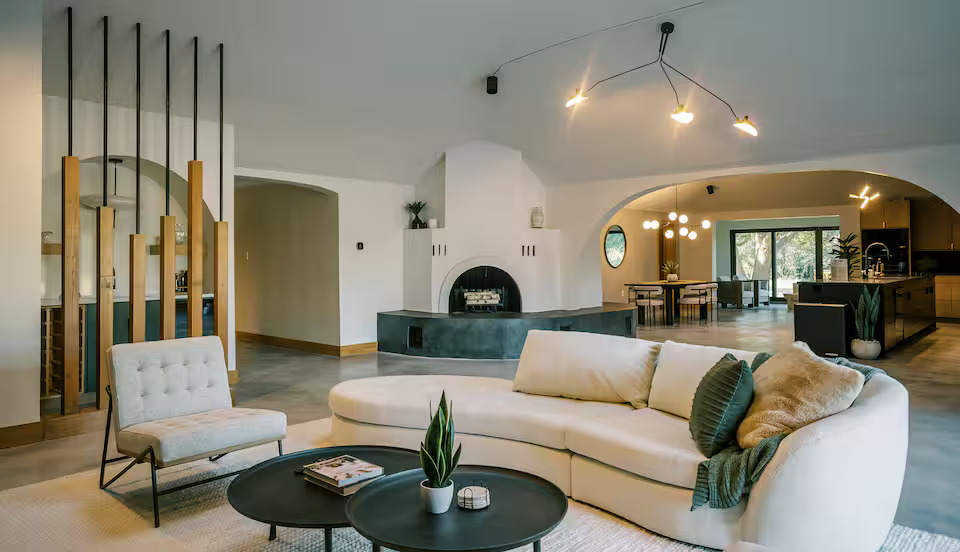
- Is the layout functional beyond just being Instagram-worthy?
Don't sacrifice functionality and comfort for a rustic, unique feel. Guests still want:
- Comfortable beds
- Reliable heat and cooling
- Hot water
- Thoughtful layouts
- High-value amenities like hot tubs.
Signs You're Ready to Buy Raw Land for Your STR
Raw land can be a powerful STR strategy when:
- You’ve confirmed market demand with tools like AirDNA
- You understand infrastructure costs upfront and how much it will cost to run your Airbnb
- Utilities exist, or you have a realistic plan
- Labor and materials are accessible
- Comfort and practicality take priority, not just aesthetics and trends
- If you're a new host, you've taken the time to learn more about running a short-term rental glamping business.
- You’ve spoken directly with the county
- You understand environmental or ecosystem rules (like dark-sky or noise restrictions)
Student Spotlight: Nature-Focused Projects Inside Host Camp
Enough of warnings and precautions. Time to get inspired! Host Camp members are turning raw land into scroll-stopping stays and unforgettable guest experiences. Check it out.
.jpg)

.jpg)

Ready to Build Your Own Unique Stay?
If buying raw land and building a standout short-term rental is on your radar, you don’t have to figure it out solo.
Inside Host Camp, members get access to:
- Glamp Camp Masterclass and full STR course library
- Step-by-step guidance on evaluating raw land
- 1-on-1 and group coaching calls to workshop deals and ideas
- Tools, resources, and spreadsheets to simplify hosting
- Monthly Market Reports revealing untapped STR opportunities
- A community of hosts actively building together
Ready to break ground or still just exploring? Learn how to do it the right way—with a support system and proven strategies.


