

Your Guest Broke the Bed. Now What?
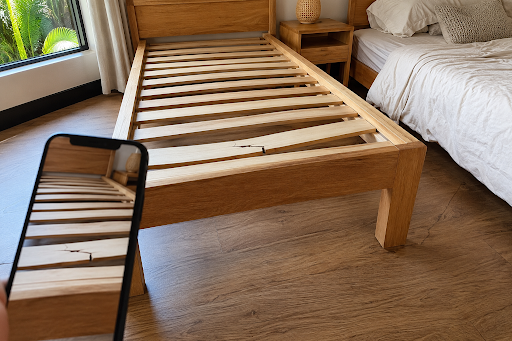
A guest checks out. Your cleaner finds a cracked bed frame, or a burn mark on the counter, or makeup stains on the white sheets that won't come out. The real question isn't whether you're allowed to ask for money. It's whether asking is actually worth it.
That answer depends on 2 things hosts never separate: which channel the guest booked through, and a 3-factor decision that has nothing to do with how annoyed you are.
If They Booked Through Airbnb
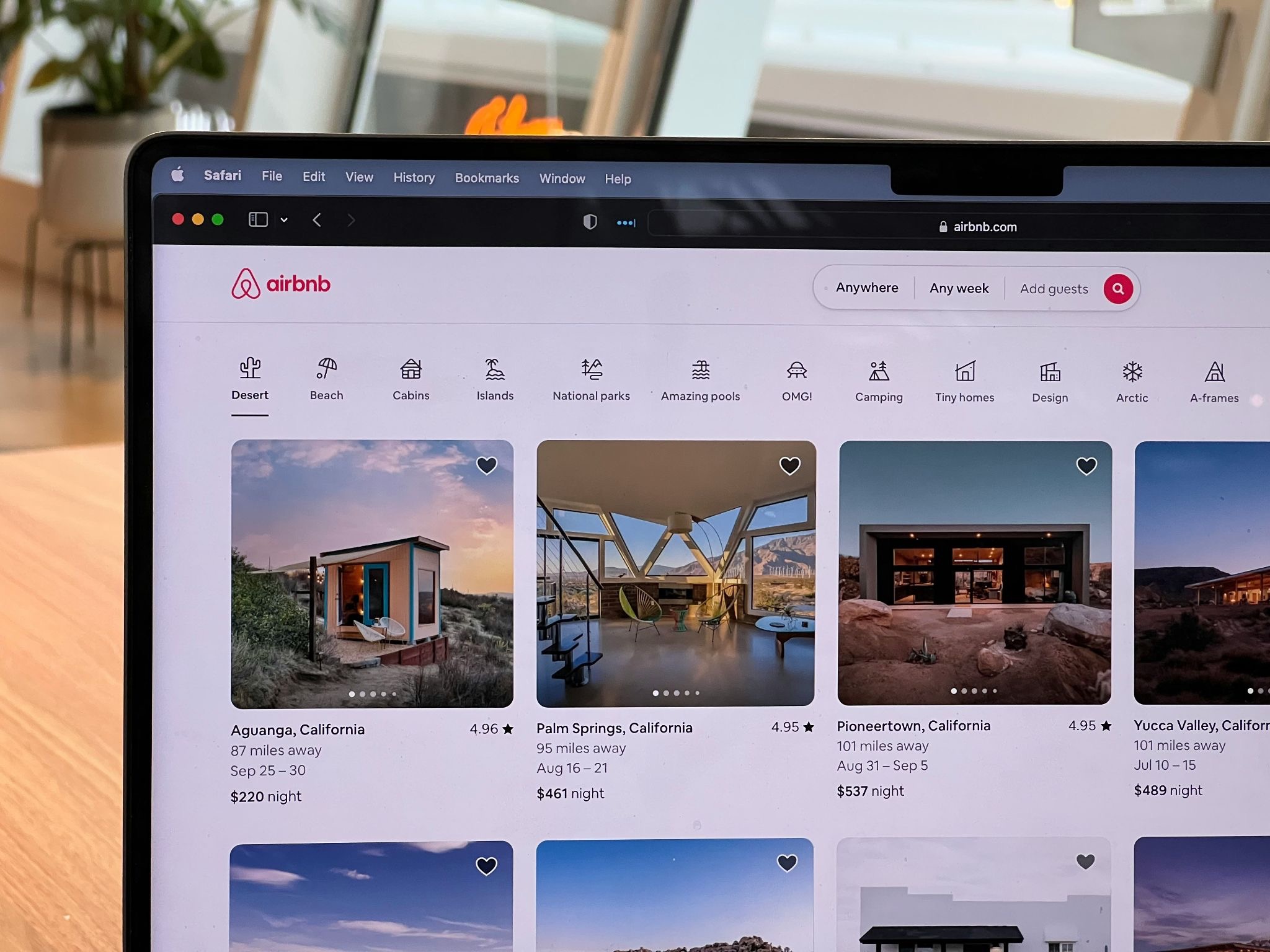
You can't collect a security deposit directly; Airbnb prohibits it outright. Instead, every booking comes with AirCover for Hosts, free, automatic, covering guest-caused damage up to $3 million per incident. VRBO's built-in protection looks very different by comparison, liability only, up to $1 million, with property damage left entirely on the host unless a deposit or personal insurance is already in place. We broke down the full platform comparison here.
Here's the actual process on Airbnb. Request payment from the guest through the Resolution Center first. If they pay, it's over. If they decline or don't respond, escalate to AirCover within 14 days of checkout, or before your next guest checks in, whichever comes first.
What AirCover excludes matters as much as what it covers: Normal wear and tear, linen stains from ordinary use, cash and securities, and anything from a stay that didn't happen through Airbnb's own platform. A recent update also removed coverage for consumables entirely, shampoo, coffee pods, and dish soap are no longer eligible, no matter how fast a guest burns through them.
There's also an unstated floor worth knowing. Airbnb's own reviewers are trained to ask a simple question: Would a reasonable person call this "just hosting"? A scratched coffee table, a small wall scuff, a chipped mug, these typically fall below the line no matter how well you document them.
One evidence rule changed recently too, and it matters. Airbnb now explicitly bans AI-generated or AI-enhanced photos in damage claims, a rule that followed a real fraud case: A Manhattan superhost submitted AI-generated images for a $16,000 claim, and the guest caught it because the same crack appeared in different positions across the photos. Original, unaltered camera files, paired with dated receipts and real repair quotes, are now the standard.
And even when a claim gets approved, the payout is often partial. Documented losses commonly get reimbursed at 40 to 70%, not the full amount, and hosting communities are full of cases where someone asked for $20,000 in damage and received under $1,000. Filing isn't a guaranteed recovery. It's a request, reviewed by someone applying Airbnb's own judgment to your evidence.
If They Booked Direct
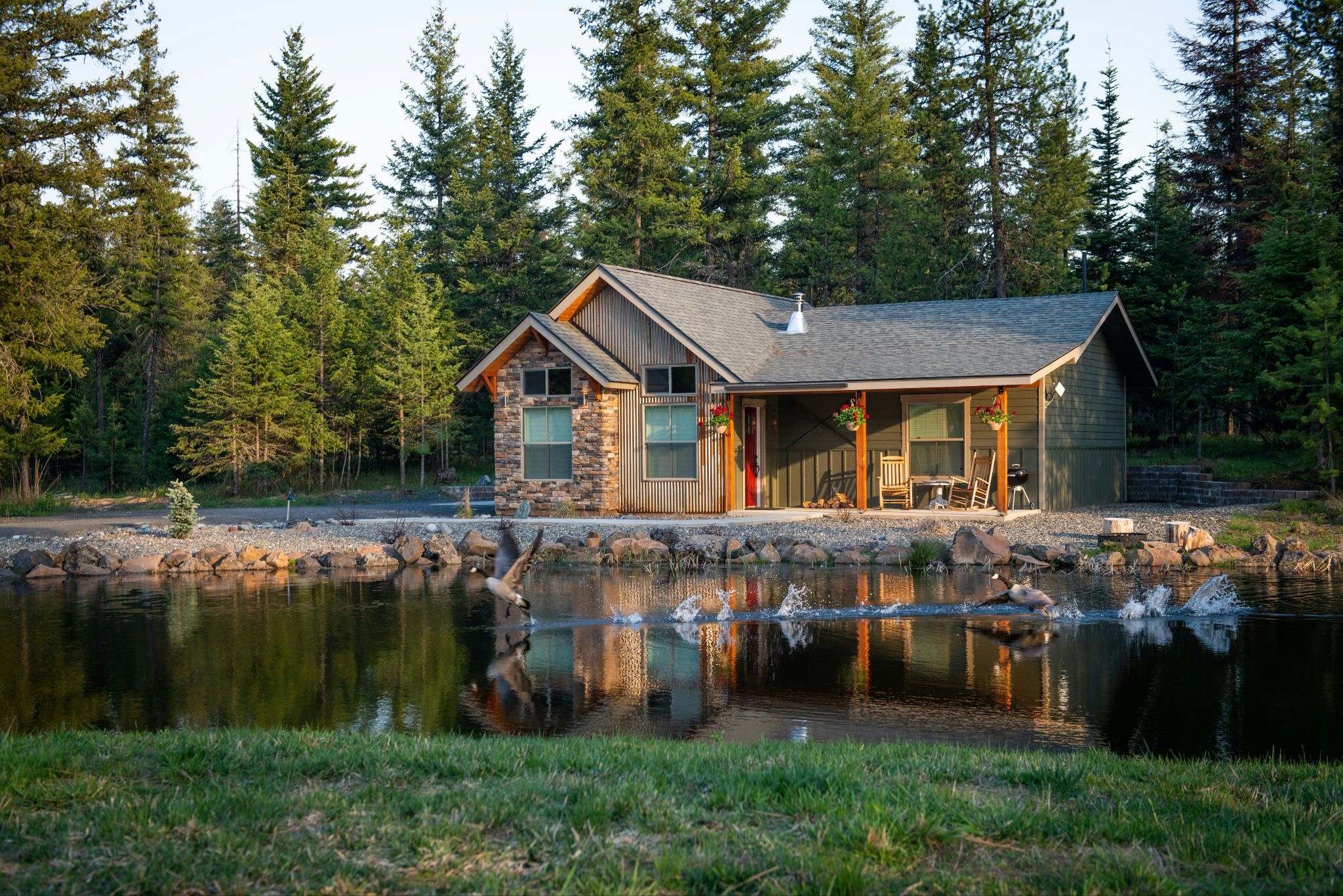
This setup gives you more control. You choose the model:
A refundable security deposit, typically $250 to $1,000 for a standard property, $1,500 to $5,000 for luxury or high-value furnishings. Held as a card authorization, released if nothing happens.
A damage waiver, a small non-refundable fee, usually $20 to $100, that every guest pays upfront and that covers damage up to a set limit. No dispute process. The guest already paid for the coverage before they ever checked in.
Third-party services like Truvi combine guest screening, deposit collection, and damage protection into one system built specifically for hosts managing this without a platform doing it for them, the same tool we recommend when setting up a direct booking site in the first place.
The ethical weight shifts here too. On Airbnb, asking a guest for money after the fact carries real social cost, and a real chance of a retaliatory review. With a deposit or waiver already in place, you're not asking for anything new. The guest agreed to those terms the moment they booked.
The Actual Framework
Whichever channel it happened on, the decision comes down to 3 factors, weighed together, not one number in isolation:
- The dollar amount. Roughly $100 is where filing starts making practical sense. Below that, the time cost usually isn't worth it.
- How strong your documentation is. A pre-stay photo is the single most important piece of evidence you can have, and it needs to be a real, unedited photo now that AI-enhanced images are explicitly banned as evidence.
- The realistic chance of a bad review, especially if you're newer and don't have the review volume to absorb one.
Here's how that plays out in a real scenario. A host finds makeup stains on white linens and food debris on the floor after a 1-night stay, roughly $115 in real cost between the extra cleaning time and replacement sheets. The verdict that holds up here: absorb it. $115 still matters, but proving '90 extra minutes of cleaning' is genuinely hard to document, and the review risk outweighs the payout for anyone still building a reputation.
The better move isn't fighting that claim. It's switching to dark linens and building the eventual replacement cost into your cleaning fee, so the same problem stops being a recurring fight and becomes a pricing decision you only make once.
What This Actually Comes Down To

The real skill is weighing the amount, the evidence, and the risk together, before the frustration of the moment makes the decision instead.
If your insurance broker has never confirmed in writing whether your policy covers this kind of gap in the first place, the STR Insurance Coverage Check is the place to start before the next renewal.
If you're taking direct bookings and want the deposit or damage-waiver side handled without building it yourself, Truvi covers guest screening and damage protection in one system, with 60 days free to test it.
Written by: Rob Abasolo


