

The Texas Earth Home That Tripled Its Net Income Doing One Thing Differently
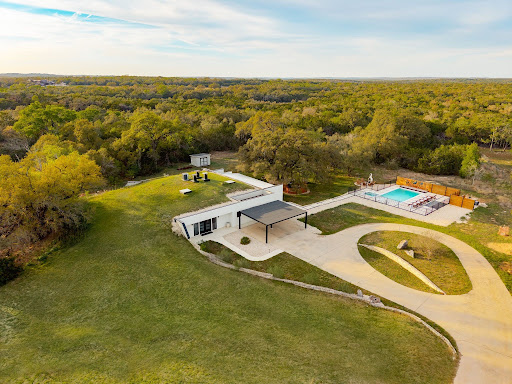
An earth home is exactly what it sounds like: A structure built into the land itself, with thick rammed-earth or adobe walls that regulate temperature naturally and a roofline that sits low against the landscape. They're rare, they're striking, and when they're done right, they photograph unlike a standard vacation rental.
Kai Andrew, a Host Camp coach, STR investor, and land-hacking expert, found one outside Kerrville in the Texas Hill Country. 3 bedrooms, 3.5 bathrooms, and just under 3.5 acres of rolling Texas landscape. The property was a wreck, the kind that takes one look and doubles the renovation budget on the spot.
Here's how it happened.
The Purchase
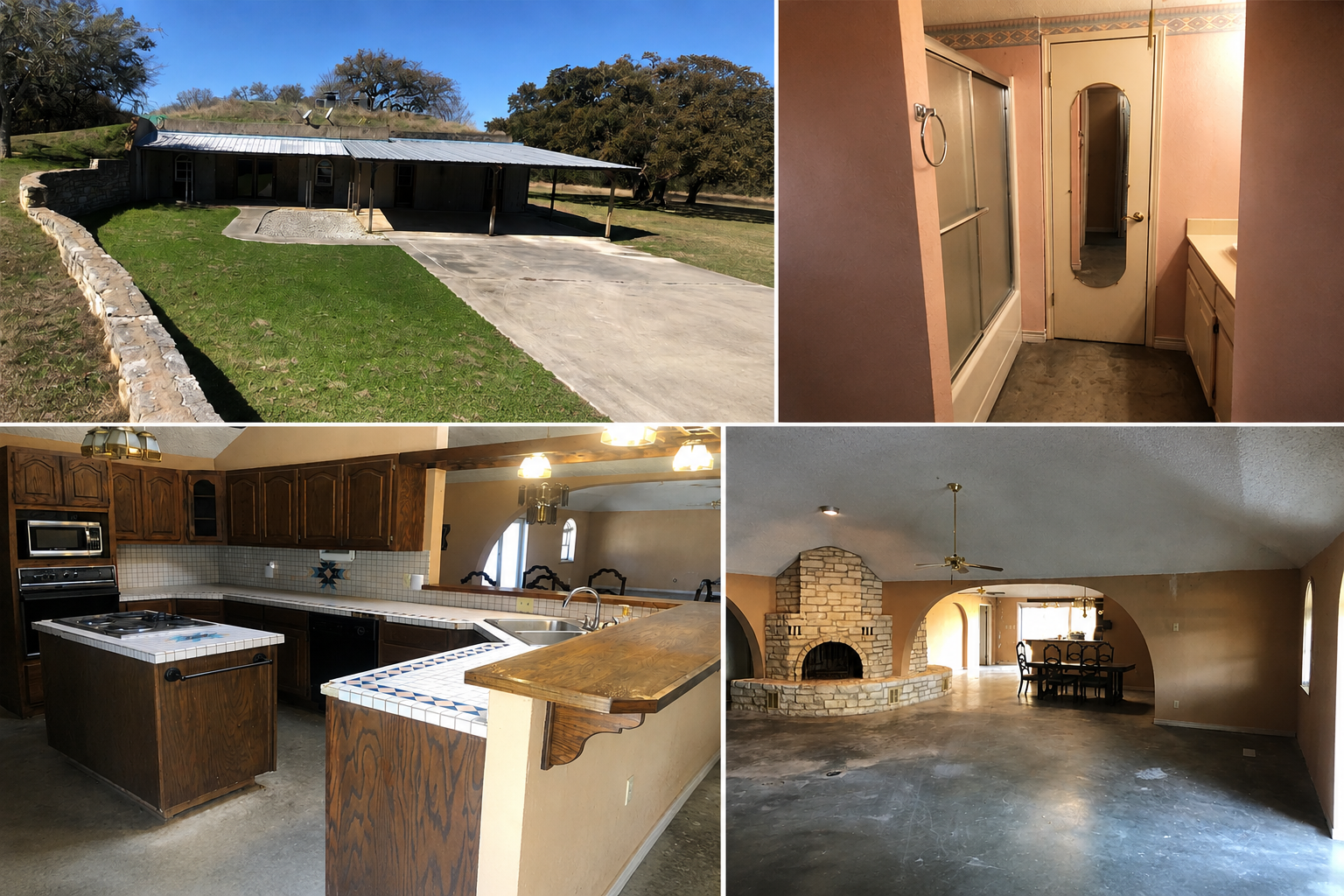
$800,000 bought him a 2,900 square foot earth home on just under 3.5 acres outside of Kerrville. Plumbing, electrical, HVAC, room layouts, it all needed work. What he expected to take 6 months ended up taking nearly 18.
The renovation was built around spaces guests want to photograph, because the same property that draws an Airbnb booking draws a brand photographer. Think custom wet bar, a cleaned-up stone fireplace, a master bedroom with enough depth and light to fill a frame. These are the same spaces a photographer will pay to use for a campaign. That’s one renovation and 2 solid revenue streams right there.
Total cost basis going in landed at $800K purchase, $218K renovation, and $32K furnishings, just over $1.05M all in.
Kerr County allows short-term rentals, and the permitting process is straightforward, but confirm current requirements with the county before closing, since rules can change. If you want a full breakdown of how to check STR zoning before you buy, read the Host Camp zoning guide.
The “Monthly Nut”
The monthly nut is every dollar the property owes before a single booking comes in.
Before a single booking landed, the property was already working against Kai. Mortgage ran $4,200, property taxes hit $936 a month (Texas runs high), insurance came to $520, and utilities plus pool and hot tub maintenance added another $712. Total hard costs landed at $6,368 every single month, or $76,416 a year, before anyone checked in.
The first year of Airbnb income covered costs, but the returns weren't there yet. Texas Hill Country is a competitive market, and a beautifully renovated home gets you into the conversation, but it doesn't automatically win it. Kai needed something more, and he already knew what was missing.
Phase Two and Three: The $131,000 That Changed Everything
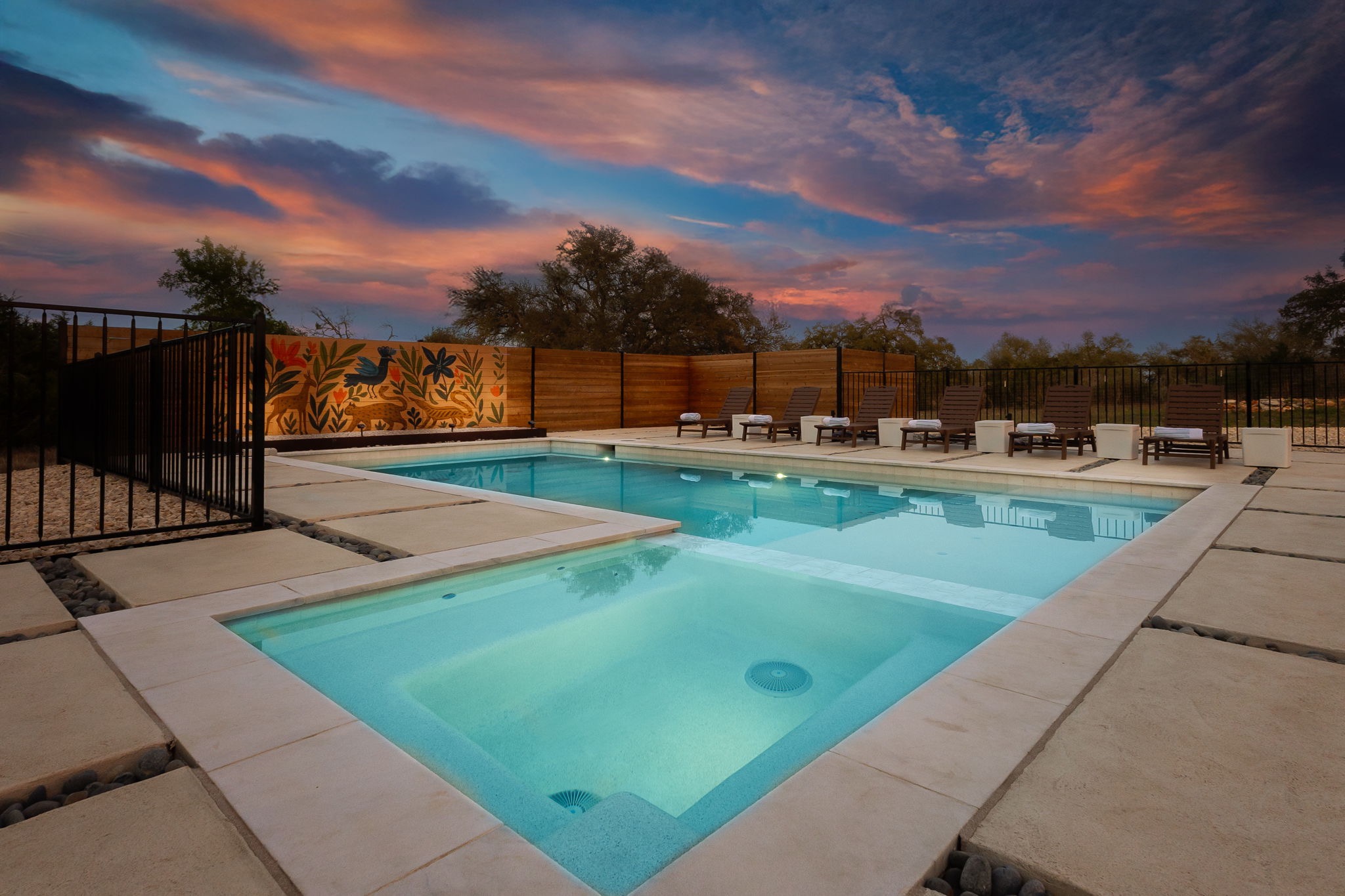
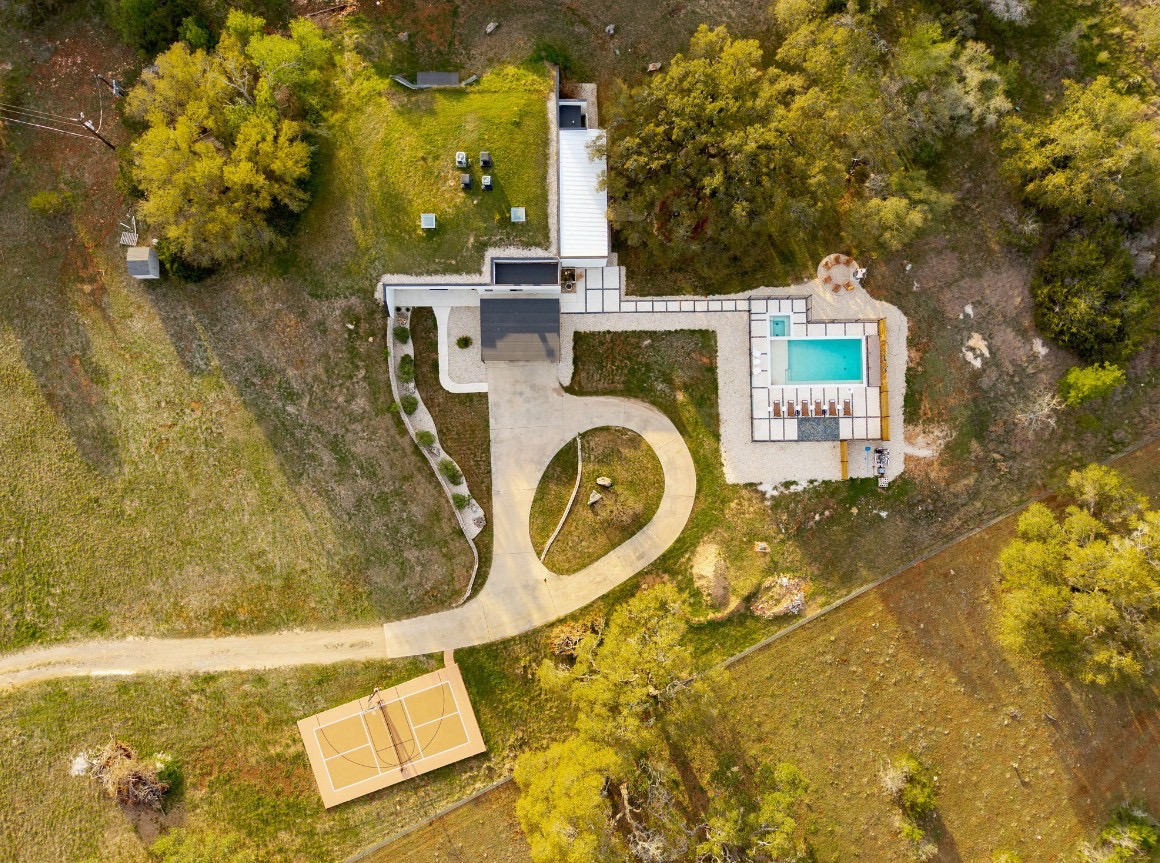
A pool and an in-ground hot tub ran $104,000. A pickleball and basketball court added $25,000. A fire pit rounded it out at $2,000. In Texas, a pool and hot tub does double duty, increasing both bookings and equity, which is why both numbers mattered here. It also made the backyard a location. The same outdoor space that keeps a family of 8 booked through the weekend is the same space a photographer will pay $2,000 to use for 11 hours on a Tuesday. The pickleball court gave groups a reason to stay longer. The fire pit turned the backyard into a space people want to gather in and come back to. Every amenity pulled double duty across both revenue streams.
Bookings picked up and RevPAR improved. The real shift came from somewhere else entirely.
The Income Stream Operators Leave on the Table
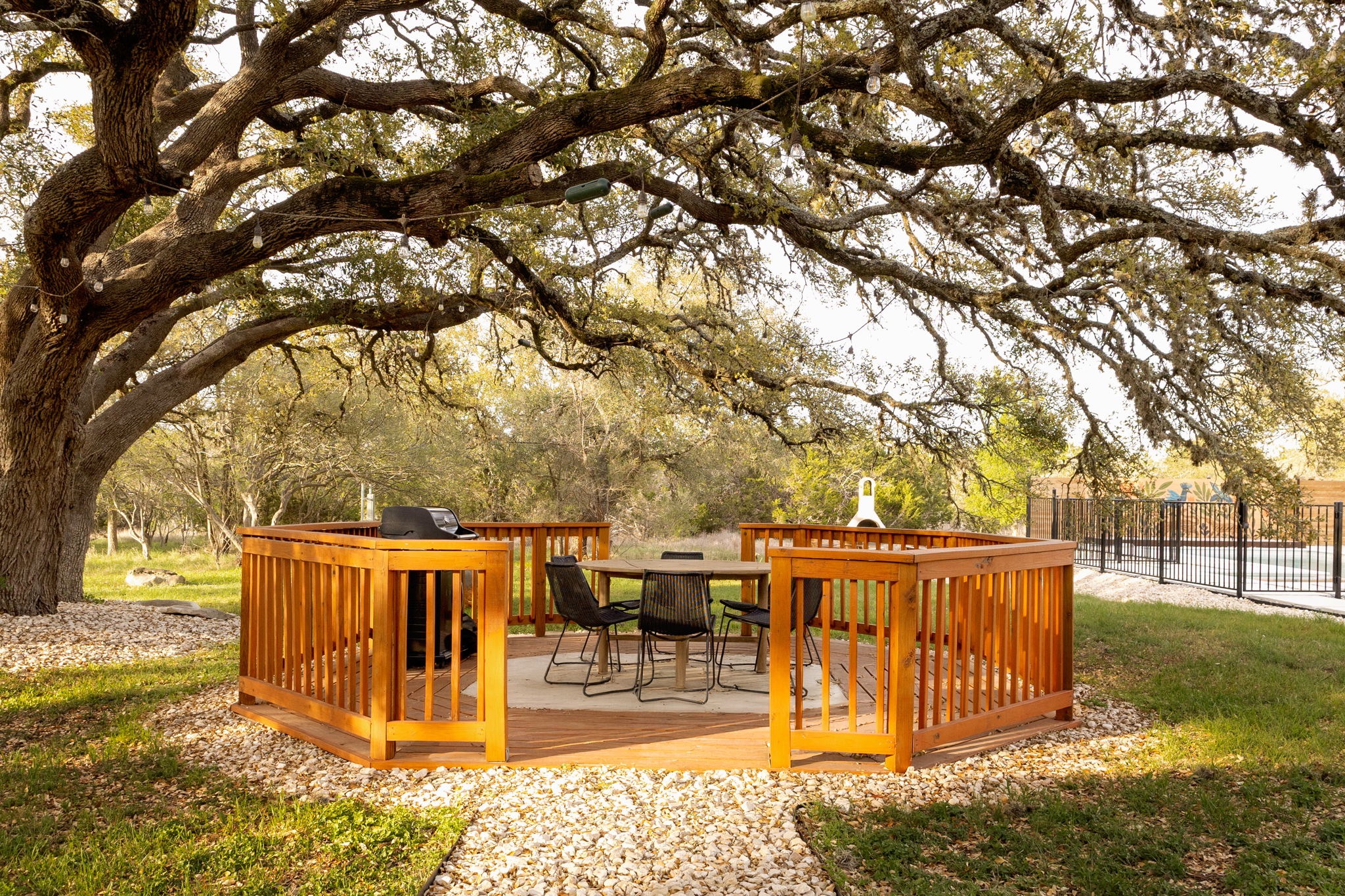
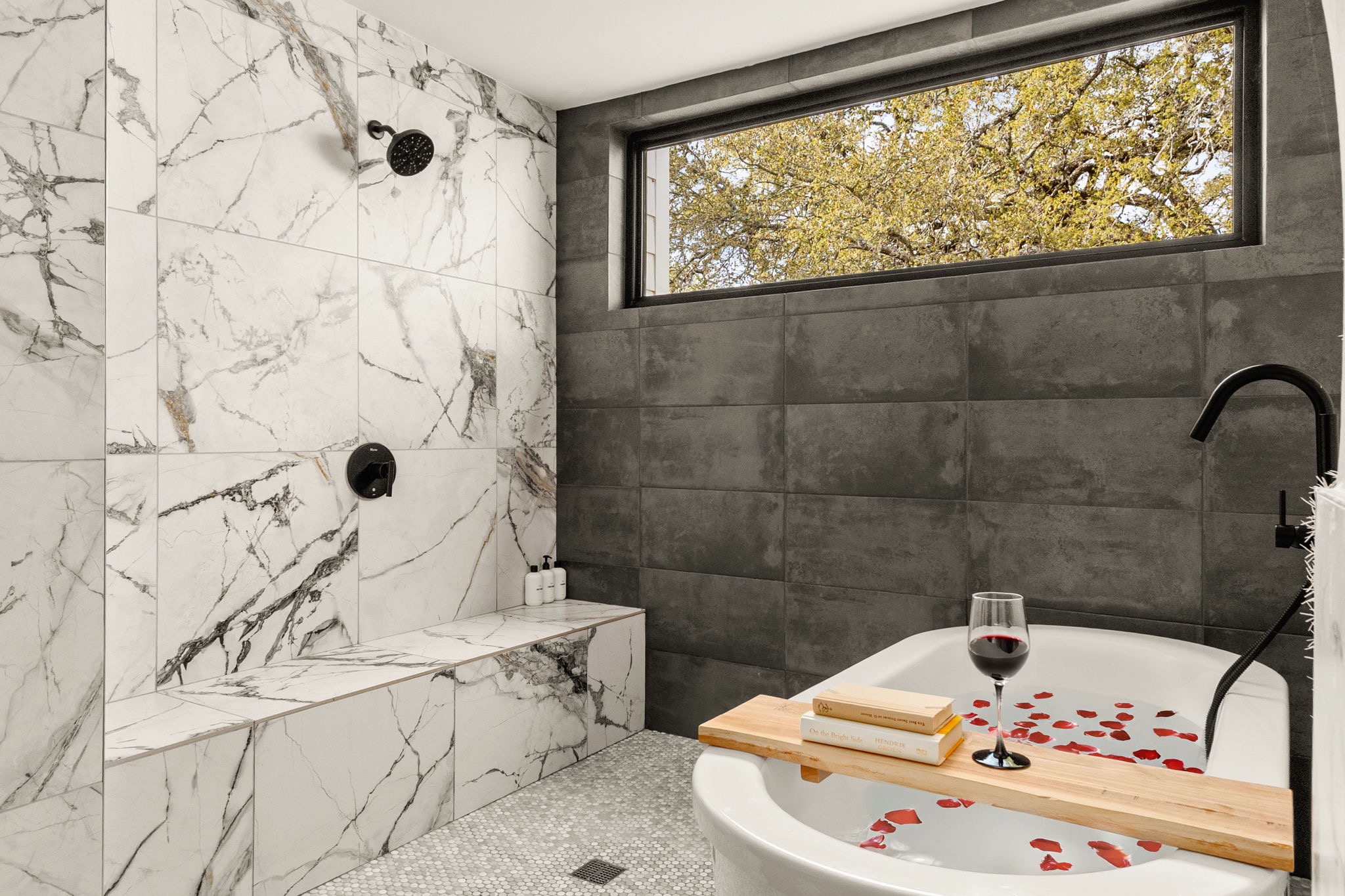
Events. Micro weddings. Commercial photo shoots. Video productions. Brand campaigns.
Kai started saying yes to event inquiries, then built a process around them, then started targeting them directly. The result was $39,000 in trailing 12-month revenue from events and shoots, stacked on top of the $100,000 in Airbnb income. One property, two revenue streams, and net income that more than tripled.
The property went from covering costs to building toward $60-100K in annual net income, and the investment that looked like a grind in year 1 is compounding by year 3. The tax savings and equity gain show up on the balance sheet rather than in the booking dashboard: $273,000 in tax savings and $250,000 in equity gain.
The Full Picture
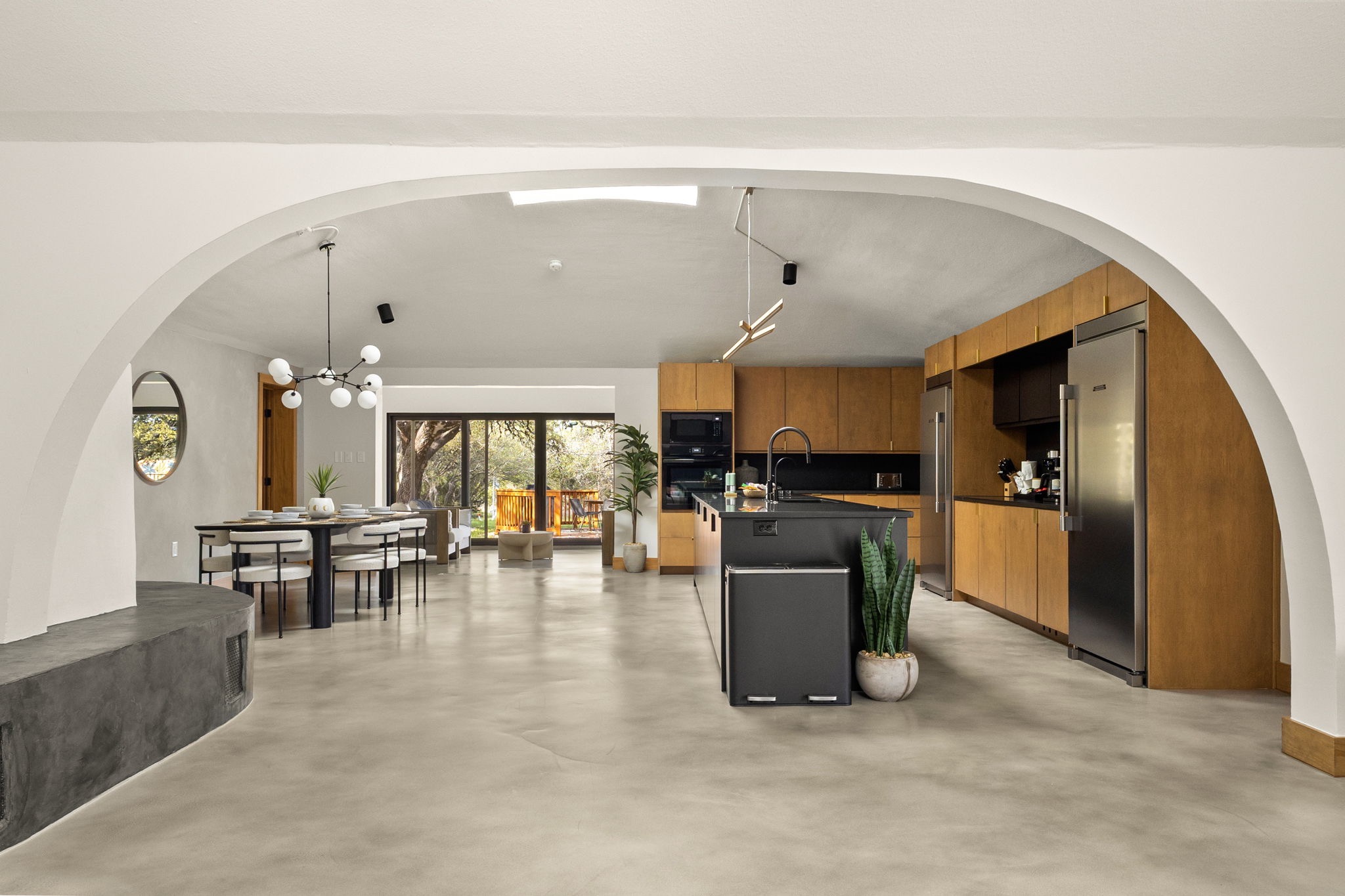
Here is the full picture after year 1:
- Total cost basis: $1.13-1.15M
- Total cash outlay: ~$350K
- Airbnb trailing 12 months: ~$100K
- Events and shoots trailing 12 months: ~$39K
- Total hard and soft expenses: ~$76K
- Cleaning fees: ~$14K
- Net income year 1: $39K
- Projected net year 2: $60-100K
- Tax savings: ~$273K
- Equity gain: ~$250K
- Cash on cash: ~11%
This is a solid, cash-flowing asset that paid its costs, saved a significant amount in taxes, added equity, and is building toward $90-100K in annual net income as the revenue streams mature. The biggest move is still ahead: 2 prefab cabins going in at the back of the property, working toward 3 income streams on a single parcel.
The Host Camp Take
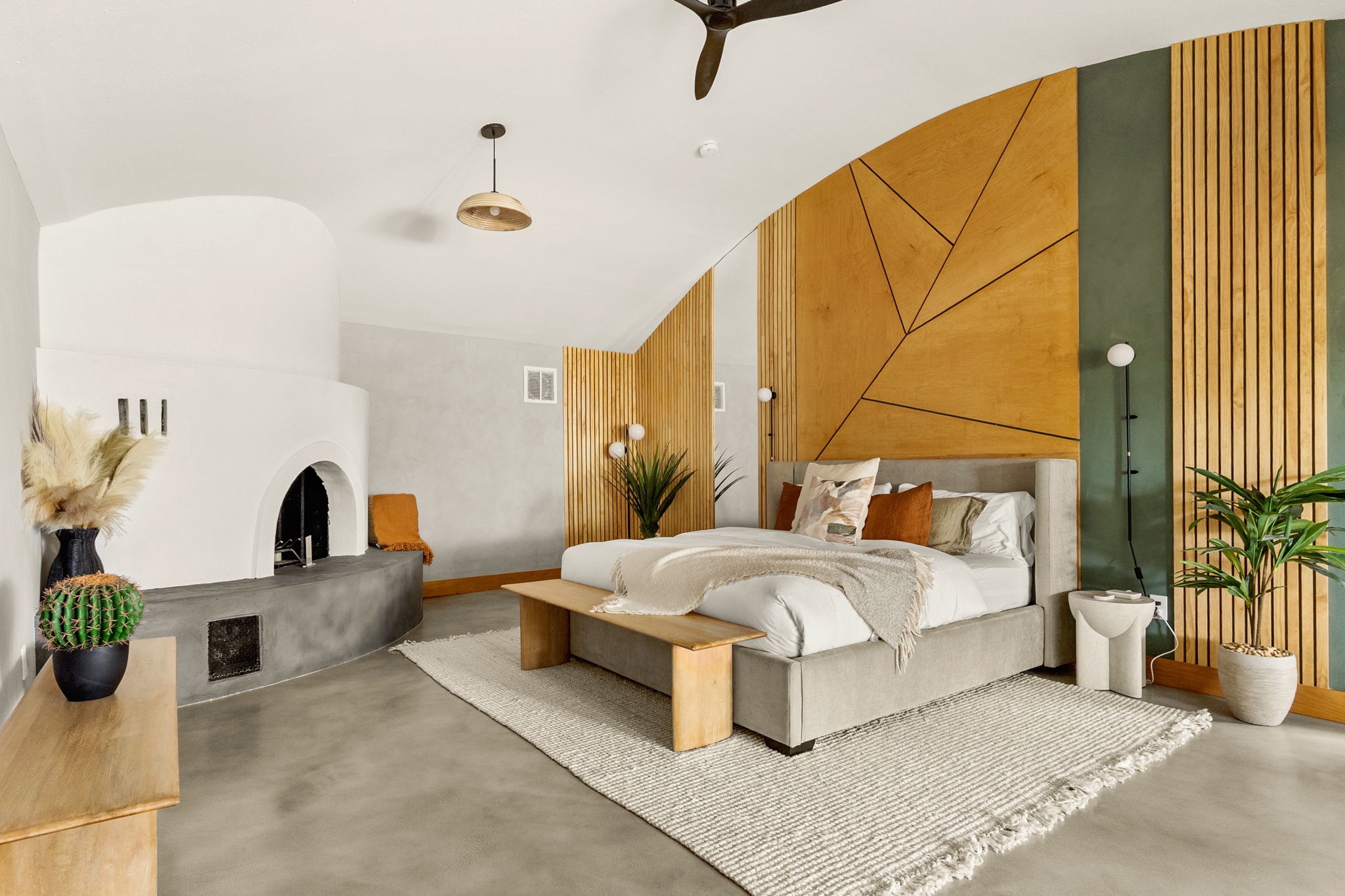
The property tripled its net income because Kai built it to be more than a place to sleep. A destination property earns booking revenue, event revenue, and shoot revenue. The operators who win at this level optimize for what the property can host, then find every way to monetize that experience.
The next phase involves 2 prefab cabins being added to the back of the property, with power and water already running, working toward 3 income streams on a single parcel. If you want to understand the prefab options that work best for this kind of land hack, read the prefab supplier breakdown.
That's land hacking, and it starts with building the kind of property that earns from every use.
What To Steal
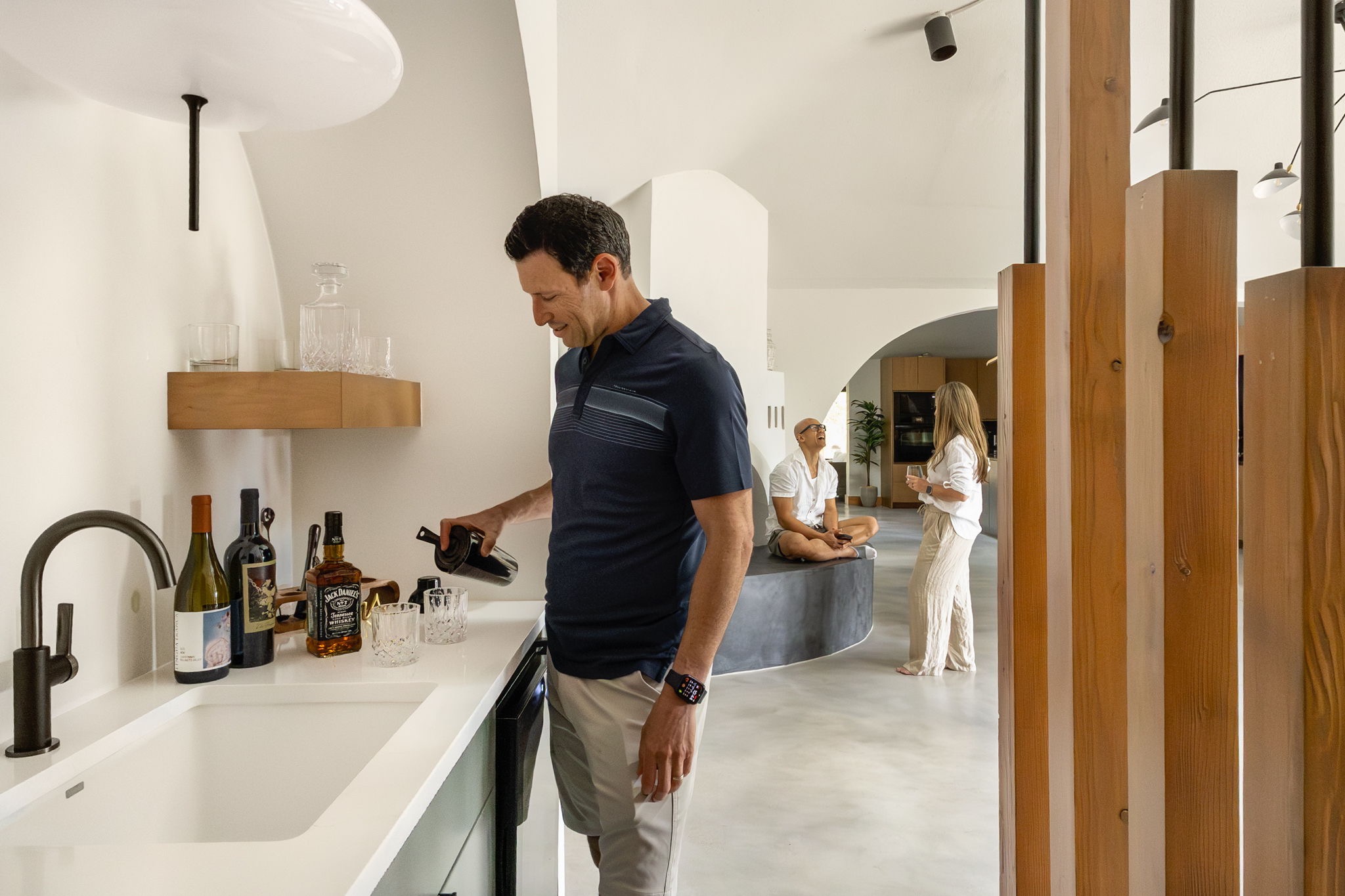
Build for the photo first. The wet bar, the master bedroom, the pool, every design decision that makes a property photograph well also makes it attractive to commercial shoots and events.
Say yes to the first event inquiry. Events seem operationally complex until you've done one, after that you have a repeatable process and a new income stream, and the second one is significantly easier.
Think in revenue streams, not nightly rates. A 3.5-acre property in Texas Hill Country can function as a venue, a shoot location, a corporate retreat, or a micro wedding destination, so run the numbers on all of it before you set rates.
Run your own numbers with Does It Pencil, the same way Kai modeled this property's revenue streams against its real costs.
- Rob Abasolo


