

The STR Regulation Tracker: Every Major Rule Change We Can Verify, 2025–2026

Short-term rental regulation used to mean a city trying to catch unlicensed listings on its own, one complaint at a time. That's changed. City after city is now building the enforcement into the booking platforms themselves: No valid registration number, no listing. Austin did it in July. Anchorage did it days later. New Orleans has been running it since June 2025. This is the new default, and it's spreading fast.
This tracker exists so you can check your own market in one place instead of digging through a dozen city websites. It's organized by how confident we are in each entry, not just alphabetically, because that distinction matters more than it usually gets credit for.
A note on verification, before anything else: Every location on this list is checked directly against a government source, court record or official city document, not restated from a blog or industry aggregator. Where a specific detail came from something other than the primary source, that's said plainly in the entry itself rather than hidden. This is a living document, new rules pass constantly, so treat this as current as of the date below, not permanent.
Verified: Cities Where the Platform Itself Is Now the Enforcer

This is the core trend. Instead of a city trying to catch unlicensed listings after the fact, these cities have made the booking platform legally responsible for checking before a listing can even go live.
Austin, TX. As of July 1, 2026, platforms operating in Austin must display a license number field on every listing and remove any listing the city flags as unlicensed. What this means for you: If you're not currently licensed, apply now. Enforcement no longer depends on the city finding you first.
Anchorage, AK. The registration deadline was July 30, 2026, and as of July 31, no listing can post on any platform without a municipal registration number. What this means for you: If you missed the deadline, existing code gives a 14-day window to register after a violation notice before fines apply. Apply before that notice arrives.
New York City, NY. This is actually the oldest and most-tested example of the whole trend. Local Law 18 was enacted January 9, 2022, with enforcement beginning September 5, 2023. Hosts must register with the Mayor's Office of Special Enforcement as a natural person who is the permanent occupant of the unit, no more than 2 guests are allowed, and entire apartments can't be rented short-term at all, only a room in an occupied home. Platforms must verify registration before processing any booking, and unregistered transactions carry fines up to $5,000. The effect has been dramatic: an estimated 22,000 to 38,000 active listings before enforcement dropped to fewer than 3,000 by mid-2025. What this means for you: A traditional unhosted whole-apartment Airbnb strategy is effectively dead in New York City. This is the strictest version of platform enforcement on this entire list.
New Orleans, LA. Running since June 2025, this is the deepest system we found. STRs need both an owner permit and a separate operator permit, and platforms themselves need a $10,000-a-year permit just to operate in the parish. To keep that permit, a platform must block listings missing valid permit data and remove non-compliant ones within 7 days of city notice. Non-commercial rentals also require a live-in operator present during guest stays, which makes a fully remote, unhosted whole-home rental essentially impossible in residential zones. STRs are banned outright in the Garden District, and most of the French Quarter is excluded too. What this means for you: If you're investing remotely, you need a legitimate on-site operator, someone who's actually there, not a co-host who checks in occasionally.
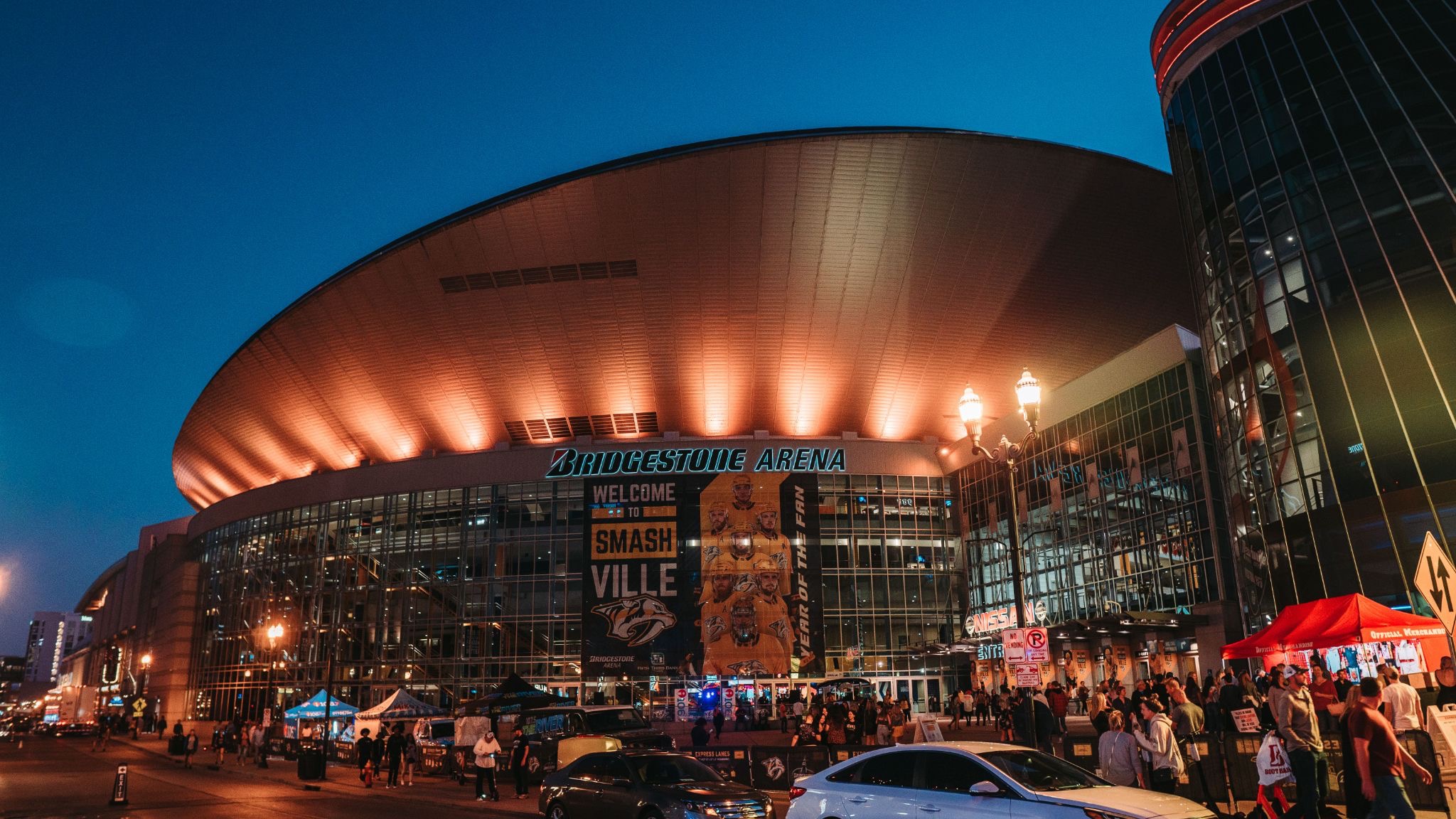
Nashville, TN. Every listing needs an STRP-2 (owner-occupied) or STRP-3 (non-owner-occupied) permit, and both Airbnb and VRBO auto-suspend listings the moment a permit lapses. What this means for you: Set a renewal reminder well before expiration. An auto-suspension pauses bookings immediately and can cost you your search ranking once the listing comes back.
Denver, CO. Short-term rentals are restricted to primary residences only, one license per person, and the city has been tightening platform-side verification through 2026. What this means for you: A multi-unit or corporate hosting structure won't work here. Keep your primary residence documentation airtight.
Houston, TX. Registration has required a $275 annual fee since January 1, 2026, with fines of $100 to $500 a day for operating without one. Platform-side delisting enforcement doesn't start until January 2027. What this means for you: Registering now, ahead of that January 2027 enforcement date, puts you in position to absorb bookings from hosts who get delisted when it kicks in.
San Diego, CA. Every short-term rental needs a Short-Term Residential Occupancy (STRO) license, and platforms are required to verify that license number before a listing goes live and to remove listings that don't display one. The city also caps the total number of whole-home rental licenses at 1% of housing stock citywide, 30% within the Mission Beach area specifically, and licenses don't transfer when a property sells. What this means for you: Existing license scarcity is the real barrier here, more than the application process itself. If you're buying specifically to operate an STR, confirm the license situation before closing, since the previous owner's license doesn't come with the property.
Dallas, TX. This one needs real context, not just a status label. Dallas City Council voted in June 2023 to ban short-term rentals from residential areas entirely, restricting them to areas where hotels are already allowed, alongside a registration system and platform accountability requirements. That residential ban is currently blocked by a court injunction and is not being enforced, with the underlying case pending before the Texas Supreme Court. Registration and platform-reporting requirements are still active. What this means for you: Treat Dallas as legally unsettled. A property that's fine to operate today could face a very different legal landscape depending on how the Supreme Court case resolves.
Verified: Other Significant Changes, Not Platform-Enforcement Specific

Salt Lake City, UT. The ordinance took effect July 1, 2026, requiring a business license, a 2-night minimum stay and a 200-night annual cap. One critical correction: The city's own finance page states applications are not currently being processed, with a note to check back after August 8, 2026. STRs are also excluded from residential zones entirely, permitted only in mixed-use, downtown, and specific commercial districts, and buildings with more than 11 units can license up to 10% of their units as STRs. Fines run $1,000 every 7 days for unlicensed operation. What this means for you: Don't assume you can apply and launch right now, even though the ordinance is technically in effect. Check the zoning map before assuming your property even qualifies.
Los Angeles County, CA (unincorporated areas). Passed April 2, 2024, effective around September 29, 2024. Registration costs $914 a year, STRs are limited to the host's primary residence, and accessory dwellings or rent-restricted units can't be used as STRs at all. Platforms must display the host's valid registration certificate number on every booking and remove listings within 10 days of being notified of a missing or invalid one, facing fines up to $1,000 a day per listing for non-compliance. What this means for you: This is one of the strictest platform-enforcement setups on this whole list. An accessory dwelling unit strategy simply doesn't work in unincorporated LA County.
Smithville, TX. Adopted December 8, 2025, effective January 7, 2026. Permits run $150 a year, platforms must display the permit number, and the city can order removal of non-compliant listings within 10 business days of notice. Permits are non-transferable, and a revocation triggers a 1-year ban on reapplying. What this means for you: A revocation here takes the property off the table for a full year, a real consequence worth avoiding.
New York State (statewide). Effective December 22, 2025, booking platforms must report aggregate guest stays per county quarterly to the Department of State, under a $25 filing fee per report. What this means for you: This is a reporting mandate on platforms rather than a new host-facing permit, but it means the state now has visibility into county-level STR activity it didn't have before.
Illinois (statewide). Effective July 1, 2025, short-term rental platforms are legally redefined as "re-renters" and are required to collect and remit the state's Hotel Operators' Occupation Tax. What this means for you: If you're relying on a platform to handle tax remittance in Illinois, confirm they've actually updated their process to reflect this redefinition.

Jamaica Beach, TX. The city uses Granicus software to actively scan more than 70 listing sites for unregistered rentals. Violations are a Class C Misdemeanor carrying a $500-a-day fine. What this means for you: This is automated, ongoing detection rather than complaint-driven enforcement. Assume you'll be found if you're not registered.
Florida (statewide). Florida requires a DBPR license under Chapter 509 for any unit rented more than 3 times a year for stays under 30 days. A 2024 bill (SB 280) that would have created a statewide registry was vetoed, so the pre-2011 local patchwork continues. Some cities with ordinances predating June 2011, Miami Beach among them, are grandfathered into much stricter local bans. What this means for you: A state DBPR license covers the state layer only. Check your specific city's rules independently before assuming you're fully compliant.
Decatur, AL. Registration opened with a grace period running through July 2026, after which fines of $500 a day apply. What this means for you: File now, before the grace period closes.
Arapahoe County, CO. A 500-foot separation buffer between STRs took effect in late June 2026. What this means for you: This is genuinely first-come, first-served. If a neighboring property secures a permit first, you may be locked out of that buffer zone permanently.
Minnetonka, MN. Adopted June 8, 2026, registration is now limited to owners who homestead the property as their primary residence. What this means for you: Investor-owned and secondary vacation properties don't qualify here at all.

Maui County, HI. This is a genuinely major one. Minatoya List units (apartment-zoned condos that had operated as short-term rentals under a decades-old zoning exemption) are being phased out entirely: West Maui units must stop by January 1, 2029, and units in the rest of Maui County by January 1, 2031. Roughly 6,500 units are affected. Hotel-zoned properties are untouched. A county committee has also debated rezoning 16 apartment-zoned STR properties into hotel districts, recessing without a vote in August 2026, with critics warning the move could weaken the existing phase-out timeline. What this means for you: If you own or are considering a Minatoya-listed condo, start planning your exit or conversion timeline now. The ordinance is already being challenged in court by affected owners, so there's real uncertainty about whether the exact dates or scope could still shift.
Arvada, CO (Ordinance 4917). Effective May 1, 2026, occupancy is capped at 240 days a year, confirmed directly on the city's own ordinance page. The natural-person ownership requirement (no LLC as license holder) is real, and city council confirmed a 3-permit cap per person in its final amendments, though that specific number comes from meeting coverage rather than the city's own top-level ordinance summary. One important nuance the coverage of this often blurs: The property can still be owned by an LLC, the license itself just has to be held by an individual.
Aspen, CO. Confirmed directly via the city's own site: as of the June 1, 2026 transition to the Localgov platform, Owner-Occupied and Classic permits require a verifiable natural person's name, LLCs without one won't be accepted, and Owner-Occupied permits cap out at 120 rental nights a year. What this means for you: Same practical effect as Arvada, get a real individual's name on the application, not just an entity name.
South Salt Lake, UT. Confirmed via the city's own page: as of a March 12, 2025 ordinance, STRs must be owner-occupied or owned by a primary resident of South Salt Lake, and ADUs are strictly prohibited from STR use. What this means for you: An ADU strategy is a non-starter here specifically, even though it may work in a neighboring city.

Columbia, SC. Confirmed via the city's own announcement: the Tolemi registration platform launched May 20, 2026, with fees of $100 for owner-occupied units and $250 for non-owner-occupied ones. Non-owner-occupied STRs must front a 4-lane arterial or collector road (Ordinance 2025-107), while owner-occupied units are exempt from that requirement (Ordinance 2026-013). What this means for you: Check road classification before buying anything you plan to operate as a non-owner-occupied STR here.
Pooler, GA. Confirmed via the city's own public notice: Ordinance O2025-09 took effect March 18, 2025, with a $350 application fee, $250 renewal, a 500-foot separation requirement from other licensed STRs and non-transferable certificates. What this means for you: Same first-come, first-served risk as Arapahoe County, a neighbor's certificate can permanently block yours.
Kennesaw, GA. Confirmed via the city's own page: effective October 1, 2025, with a December 31, 2025 grandfathering deadline, a 2-property cap per owner, and rules that revoke nonconforming status on sale, 50% property damage or 12 months vacant. One thing worth flagging directly: the city's own official document contradicts itself on the separation distance, the body text says 250 feet, the FAQ section says 500 feet. What this means for you: Confirm the actual distance with the city directly before relying on either figure.
DeKalb County, GA. Confirmed via the county's own announcement: the program went live May 20, 2026, requiring a 24-hour local agent, an 8% excise tax and a ban on STRs within locally designated historic districts.
Scottsdale, AZ. Confirmed via the city's own code page: Ordinance 4719 defines "event center" specifically to strengthen enforcement against commercial gatherings, weddings, and large parties in residential STRs, and every rental under 30 days needs a city STR license. The exact passage date (reported as June 23, 2026) came from a news source rather than the city's own page directly. What this means for you: Strip event marketing language from your listing entirely, this is specifically what the city is watching for.
Proposed Only, Not Yet Law: Watch List

These are real, active proposals still moving through the process. Treating any of these as current law would be a mistake.
- Madison, WI: a citywide cap of 190 total STR permits is under consideration.
- West Columbia, SC: public comment closed, but no ordinance has been voted on yet.
- Washington, D.C.: Bill 26-647, introduced March 13, 2026, confirmed via the Mayor's office. Would allow renters to host, create a special event license, and allow a second property capped at 90 nights a year.
- Ohio (statewide): SB 104, confirmed via the state legislature's own site. Would limit local governments' authority to regulate STRs while extending local lodging taxes to them.
- Claremont, CA: confirmed via an April 22, 2025 City Council staff report. Would introduce Chapter 16.110 to replace the city's historical blanket ban with a regulated pathway.
- Lakewood, OH: confirmed via city committee documents from July 2026. Ordinance 28-2026 has been introduced to build a full STR framework where none currently exists.
- West Bountiful, UT: confirmed via Planning Commission packets from early 2026. Actively debating lifting its STR ban, prioritizing DADUs, and a possible moratorium.
Verified: Buffers, Caps, and Zoning Reversals

Las Vegas, NV. Confirmed directly on the city's own site: STRs are limited to owner-occupied homes of 3 bedrooms or less, at least 660 feet from another STR. Fractional-ownership structures don't get around the owner-occupied requirement, someone with a fractional share who doesn't live there is legally treated as a guest instead of an owner. One added detail from a separate research pass, a 2,500-foot buffer from resort hotels, wasn't confirmed on the specific city page checked here, worth a direct confirmation before relying on it. What this means for you: An absentee-investor model doesn't work here at all, and grandfathered nonconforming licenses disappear permanently once they lapse or get revoked.
Folly Beach, SC. A Charleston County judge struck down the city's voter-approved 800-license cap on August 14, 2026, ruling its permit fee an unlawful tax. City council responded by voting 4-1 on August 26 to freeze all new short-term rental licenses instead. What this means for you: Treat this market as legally unsettled, the same caution that applies to Dallas. A cap the city loses in court doesn't mean the restriction goes away, it means the restriction changes shape.
Riverside County, CA (unincorporated). The Board of Supervisors voted unanimously (5-0) on August 25, 2026 to adopt Ordinance No. 927, updating rules for the roughly 1,100 short-term rentals in unincorporated parts of the county. Three citations now trigger suspension of your STR certificate, and five trigger revocation proceedings. What this means for you: Know your citation count. This is a strike system, not a one-and-done violation, so a couple of small issues can compound into losing your permit.
Charleston, SC. A correction to what we previously had published: The actual proposal under debate is a flat cap of 8 guests across every STR, regardless of size or legal bedroom count, replacing the standard 2-adults-per-bedroom approach, a different structure than a cap tied to bedroom count. It's not adopted yet. What this means for you: If this passes as written, a large, legally compliant 5-bedroom home would be capped the same as a small 2-bedroom unit, worth watching if you own or are considering a larger property here.
Myrtle Beach, SC. Ordinance 2024-69 created a Short-Term Rental Conversion Overlay Zone in commercial districts between Kings Highway and the ocean. Multi-unit buildings historically used for STRs can't convert to long-term rentals (leases of 90-plus days), and back-to-back short-term leases designed to dodge that threshold are explicitly outlawed too. The city's own impact study found real numbers behind this: converting 1,000 STR units to long-term rental was projected to cost the city $2.48 million and the state $3.94 million in revenue, plus 48 local jobs. What this means for you: A property in this overlay zone is permanently locked into the STR strategy. There's no flexibility to convert later if the market shifts.
Anaheim, CA. Anaheim banned new STR permits in 2016 and initially tried to force existing STRs out entirely within 18 months. That amortization attempt collapsed under its own weight; owners flooded the city with hardship-extension paperwork, and Anaheim reversed course in 2019 via Ordinance 6405, letting roughly 241 grandfathered STRs continue operating indefinitely. The ban on any new permits remains absolute. Enforcement is active: 2 major violations in 12 months or 10 minor ones triggers permit revocation, and code enforcement patrols nightly from 8pm to 2am. What this means for you: If you don't already hold one of the grandfathered permits, there's no path to a new one here.
Joshua Tree / San Bernardino County, CA. A county permit is required under Chapter 84.28, and platforms must display the permit number and share data with the county on request. What's notable here is the underlying data: A county housing study found most of the county's resort areas (Big Bear, Lake Arrowhead) show STRs aren't meaningfully displacing long-term renters, most are purpose-built second homes earning modest income. Joshua Tree specifically is the exception, seasonal/second-home rates jumped from 5% in 2010 to 21% in 2021, and year-round rental occupancy fell to 26% by 2022. What this means for you: Joshua Tree is being regulated harder than the rest of the county precisely because its market behaves differently, worth knowing if you're comparing it to a seemingly similar mountain market nearby.
Park County, CO. The county's ordinance, effective July 19, 2026, explicitly does not cap the number of STR licenses. Instead, density is controlled through septic capacity, applicants must submit original septic design documents proving the system can handle the advertised occupancy, alongside detailed floor plans and parking requirements. What this means for you: Your property's septic system, not a citywide quota, is the real limiting factor on whether you can operate here at all.
Buncombe County, NC. No county-level STR ordinance exists yet, but that's actively changing. Asheville's 2018 ban on new STRs outside resort zoning pushed investment into the surrounding unincorporated county, and the county is now drafting real rules in response: a formal ad-hoc committee, and a proposed distinction between "Urban STRs" (up to 2 units per lot, with square footage caps) and "Rural STRs" (2-acre minimum lot size). What this means for you: If you're investing in unincorporated Buncombe County specifically to avoid Asheville's restrictions, that gap is closing. Watch this one closely.
Methodology
Last updated: August 2026
How we verify: Every entry on this tracker is checked directly against government ordinance text, official city or county pages, state agency guidance or court records. Where a specific detail (a passage date, a secondary figure) came from a source other than the primary government document, we've said so directly in that entry rather than presenting it with false confidence.
See something we're missing, or a rule that's changed? Send the primary source link to support@hostcamp.com and we'll get it reviewed and added.
Get regulation updates before they affect your listing → subscribe to The Daily Host


