

The Evergreen Cabins Playbook: From Paycheck to Paycheck to a $6M Tiny Home Village
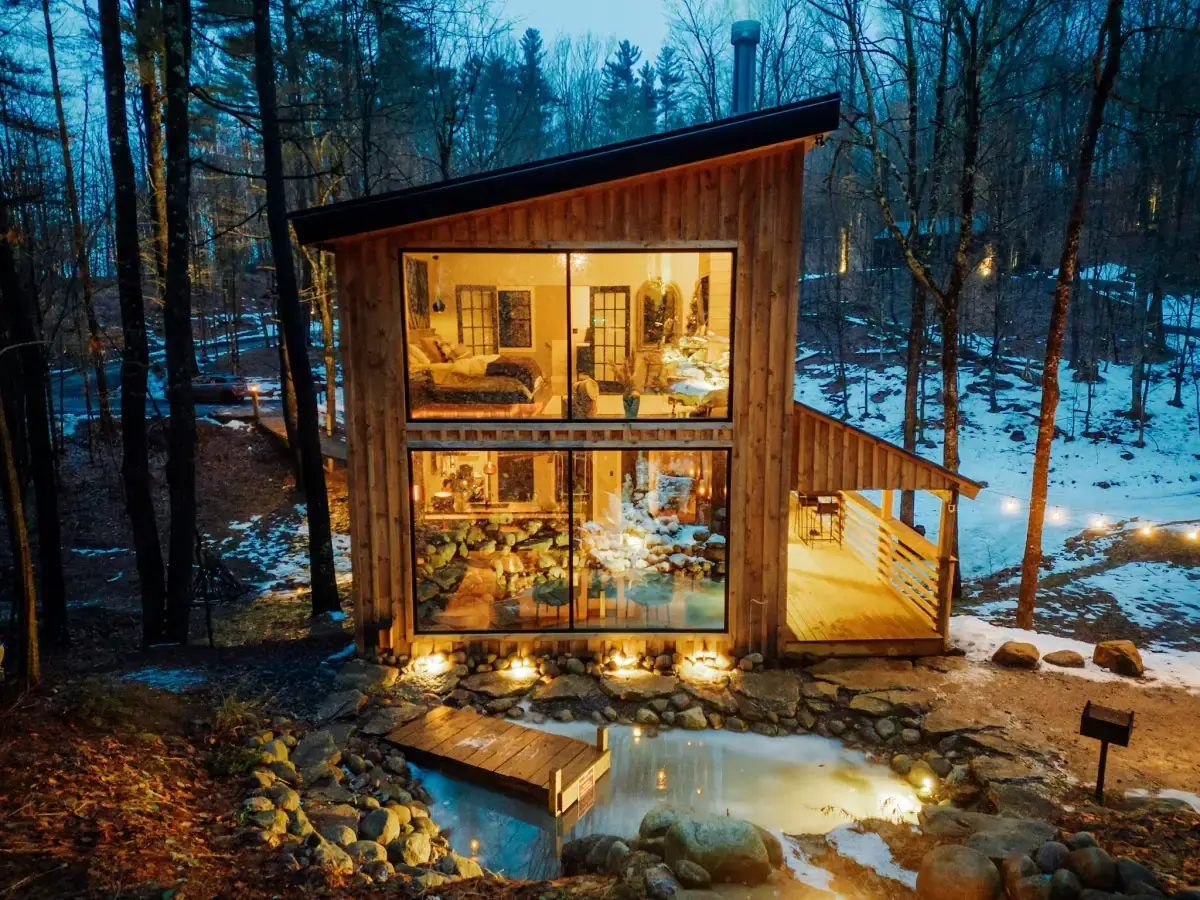
Chris Broomfield spent 35 years building custom homes for other people. Million-dollar views. Handcrafted details. Exceptional work.
But none of it was his.
Even with his skills, he was still living paycheck to paycheck. No assets. No equity. Nothing to pass down to his kids. Just a feast-or-famine cycle that never seemed to end.
So he bought 5 acres of land in a tiny town called Remsen, New York (population 3,000) for $27,000 and built a single A-frame cabin with his own hands.
That one cabin grew into a 5-unit tiny home village projected to make $680,000 in 2026, valued at $5.5 to $6 million.
Here's how a carpenter turned scrap materials into a brand and finally built his own legacy.
The Backstory: 35 Years of Building Other People's Dreams
Chris worked as a carpenter in Connecticut, doing high-end millwork in some of the most expensive homes in the state. The pay was decent...but the trades are very seasonal. Spring might be busy, then the holidays roll around, and nobody wants crews in their house. He was always scrambling.
After three and a half decades, Chris realized something that stopped him cold. He had no equity. No serious assets. He was making a living, but he wasn't building wealth.
"I needed to have something to hand down to my family, my kids. If they didn't have a job or if they're at school, they would always have some sort of income."
Then he found the land. Five acres in Remsen, New York, on the edge of the Adirondacks. The rolling hills and valleys were perfect for separating cabins and creating privacy. Across the street, he spotted a general store and a 10-mile-long reservoir. Price: $27,000.
Chris didn't have $27,000. His pregnant wife had been rear-ended by a drunk driver. The insurance settlement gave them around $18,000. They used that, plus their savings, to buy the land. What they built turned into something much bigger than the family vacation spot and part-time side hustle they had in mind.
The First Build: An A-Frame Built on Scraps and Weekends
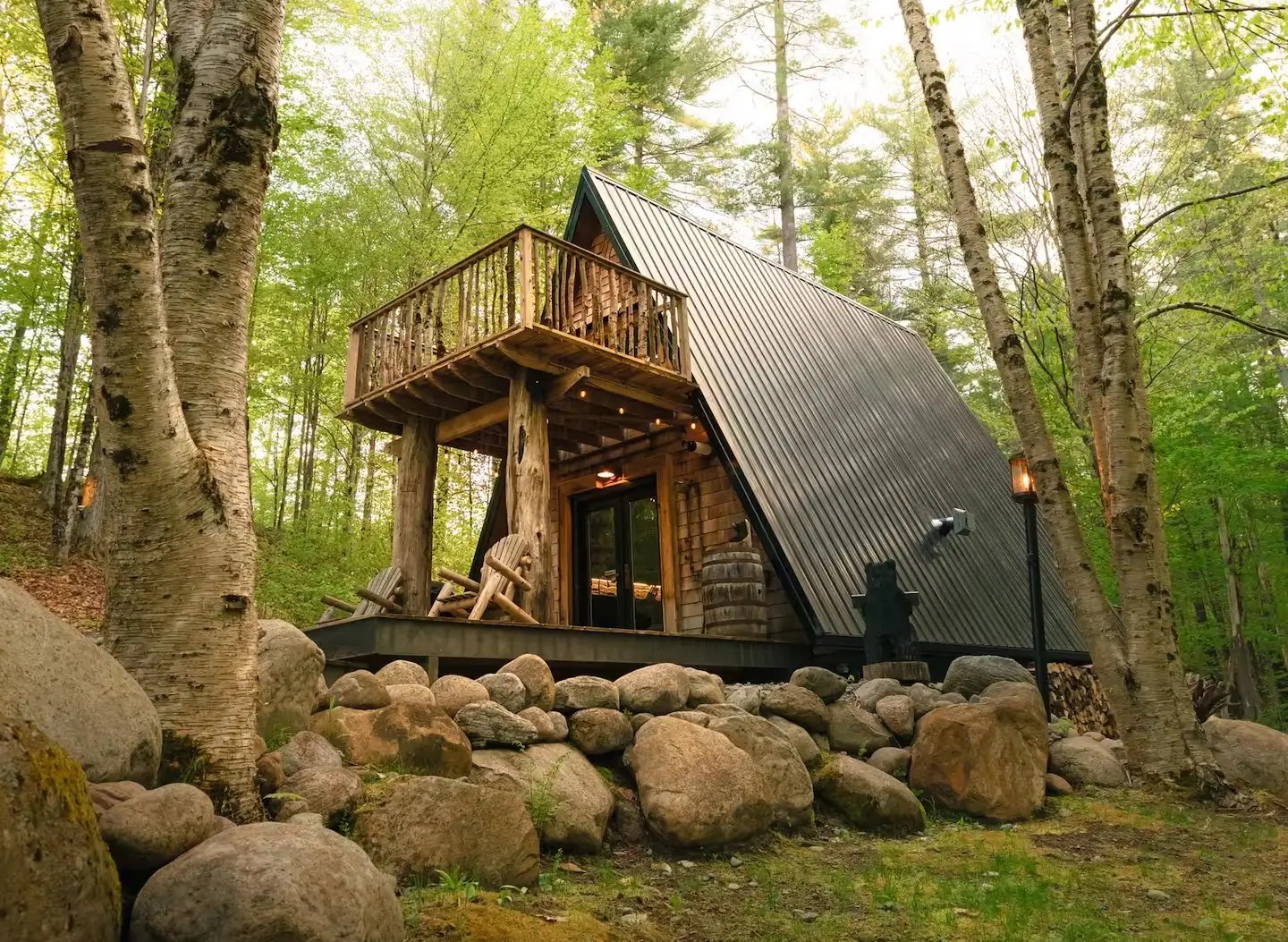
Chris couldn't afford a crew. So he did what carpenters do—he got to work.
He built the A-frame for $90,000. Hiring a crew would've run $160,000 to $170,000. He used scrap materials from jobs, worked weekends, and paid as he went.
"I didn't have the money to spend at the time. I had the skills. I had the time. It gave me an opportunity to go up to camp and build."
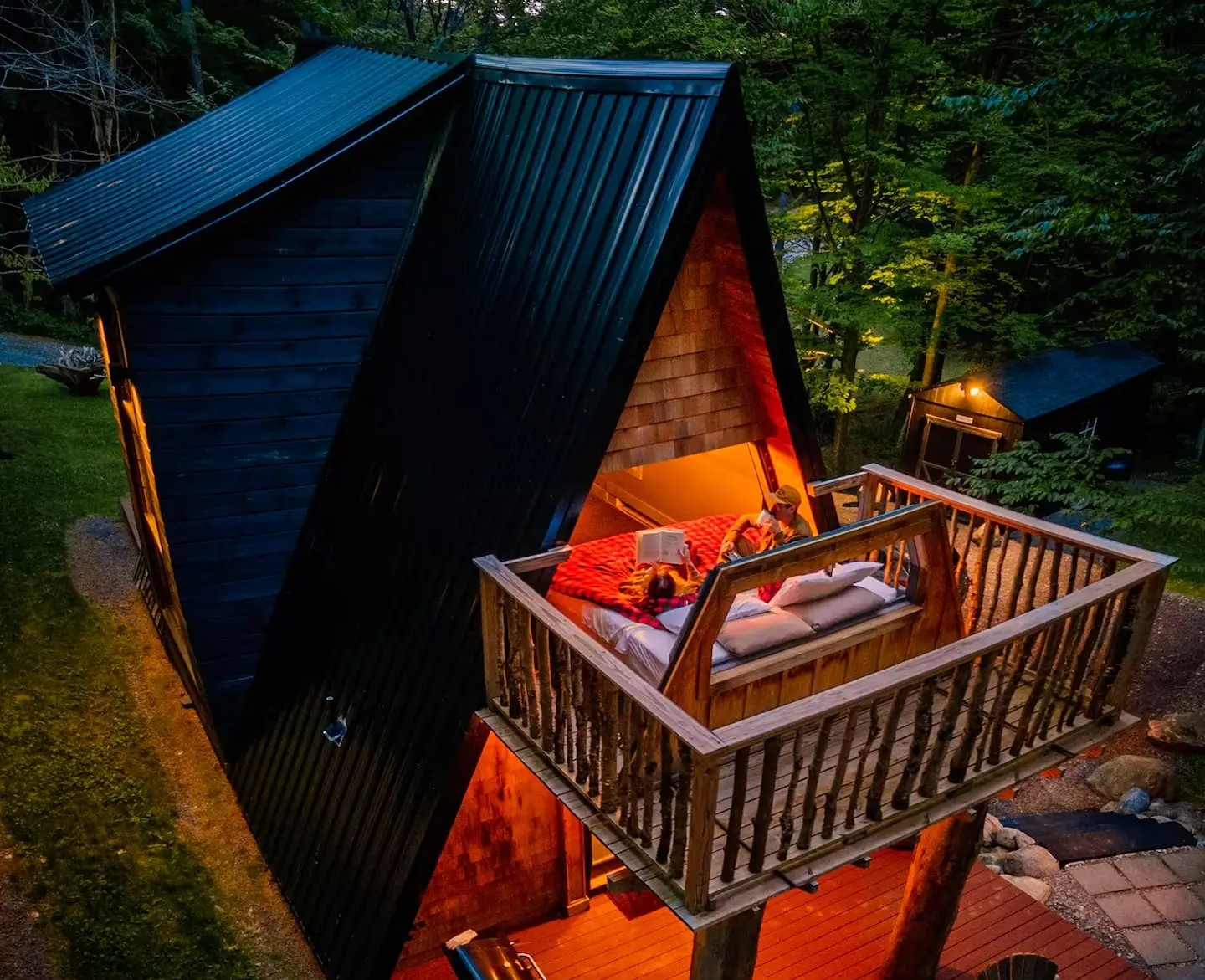
The cabin was simple. One bedroom, one bath. But Chris wanted something special. He loves sleeping outside—a tent in the woods, coyotes in the distance. His wife wasn't a fan of the outdoor experience.
So he designed a compromise. You hit a button, and the whole bed slides outside. Sleeping under the stars, but with walls nearby. That one feature put Evergreen Cabins on the map.
He launched in July 2015 at $60 a night. It was low, but he was still testing the waters. They made $7,000 in their first six months. Then he nudged the rate up. $70. $80. $100. People kept coming.
- Year two: $70,000
- Year three: $100,000 to $115,000
His cash-on-cash return? Roughly 94%. For context, traditional real estate averages 8–12%.
Chris's carpentry skills didn't just save him money. They transformed what was possible. He could build luxury without luxury prices. And that slide-out bed? It was the first hint of a brand.
.jpg)
The Viral Moment: When One Guest Changed Everything
A treehouse was his second build. Chris asked his kids for inspiration. They chose a treehouse and also had the genius idea for a cable bridge to cross the ravine. And so they built it together.
One night, a guest with only 1,000 followers posted a TikTok of their treehouse stay. Within a week, it had 7 million views.
Suddenly, both cabins were booked solid for three years.
The Pricing Mistake That Cost Him Thousands
Being booked solid for three years sounds like a win. But Chris made a classic host mistake: he didn't raise his rates with demand. He locked in old pricing for three full years.
Even moving rates up $50 to $100 a night on two properties would've meant hundreds of thousands in additional revenue.
The lesson: When demand spikes, raise your rates. Dynamic pricing tools like PriceLabs do this automatically. Use our link to try Priceabs for 30 days for free.
Scaling Up: Building a Village, One Cabin at a Time
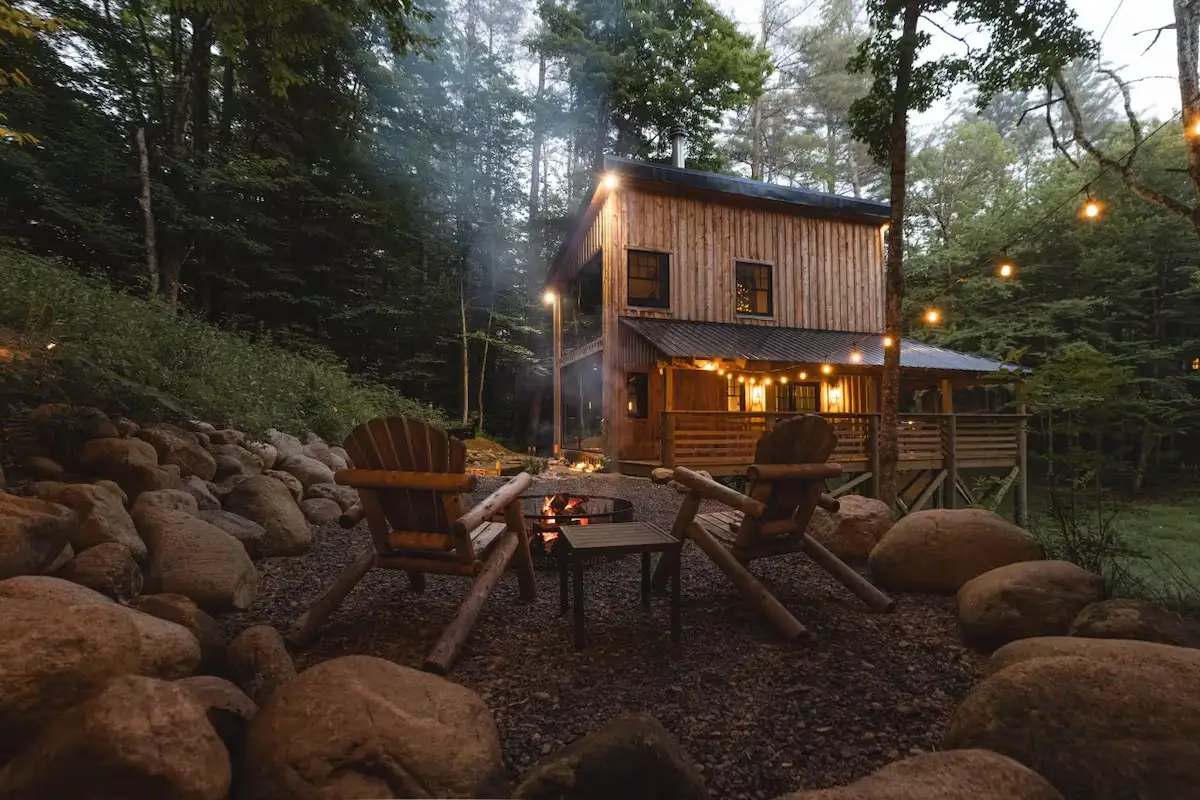
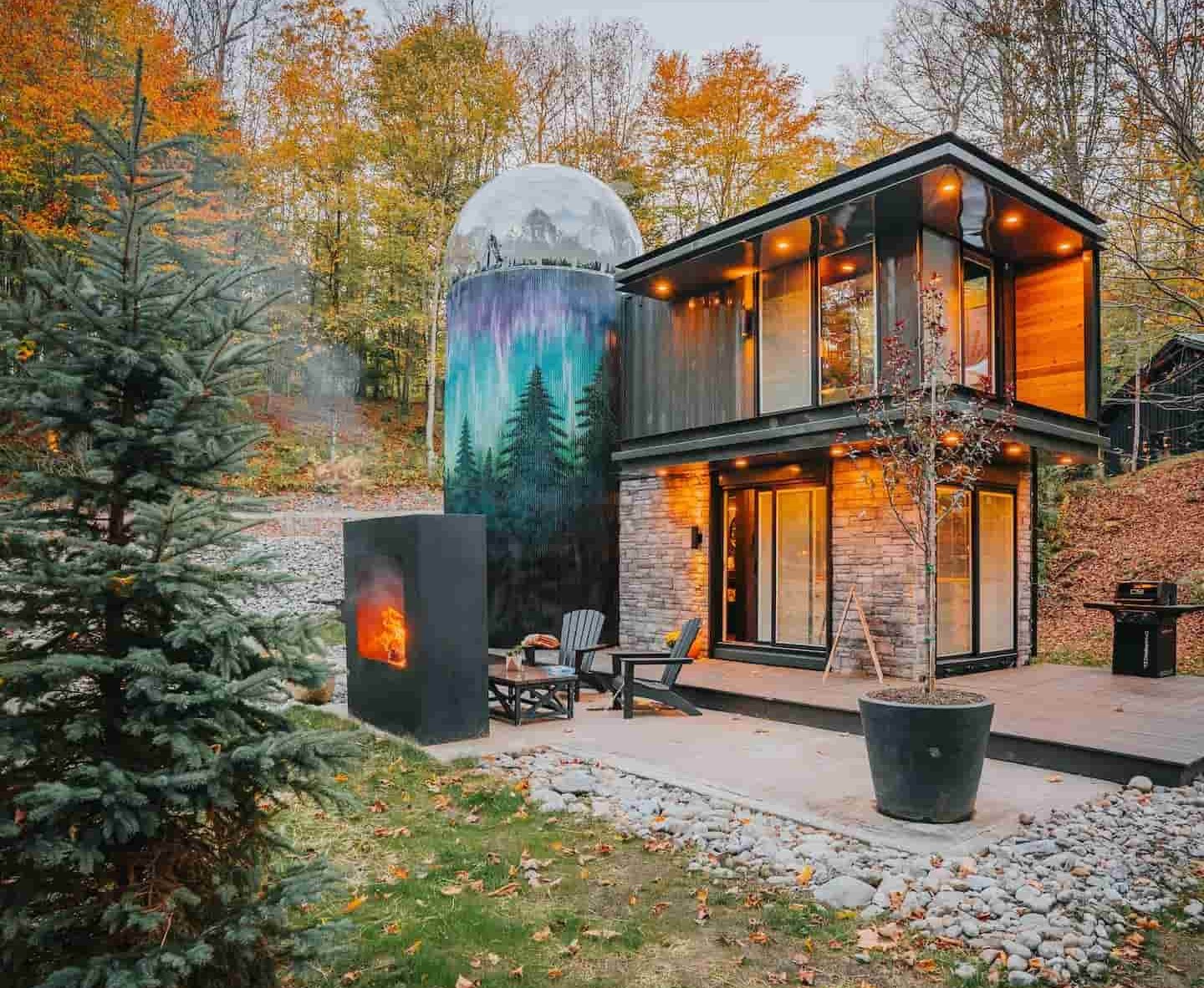
Chris didn't stop at two. Next, he added Birch Falls—a spa cabin with a waterfall inside. Then, a container cabin framed with his daughter's drawings, featuring the slide-out bed and a sky bubble on top of a hand-painted silo. Then, a tiny house for himself, barely marketed, just a place to crash when he was up working.
Five units total. Five acres. Built without investors. Each new cabin is mostly funded by the revenue from the ones before it.
He also learned to build faster. The treehouse went up in 13 weeks—standard construction takes 9 to 18 months. Every month saved was a month of revenue.
.jpg)
Property Spotlight: Welcome to Evergreen Cabins
Location: Remsen, New York. Edge of the Adirondacks. A general store sits across the street, and a 10-mile reservoir is just down the road.
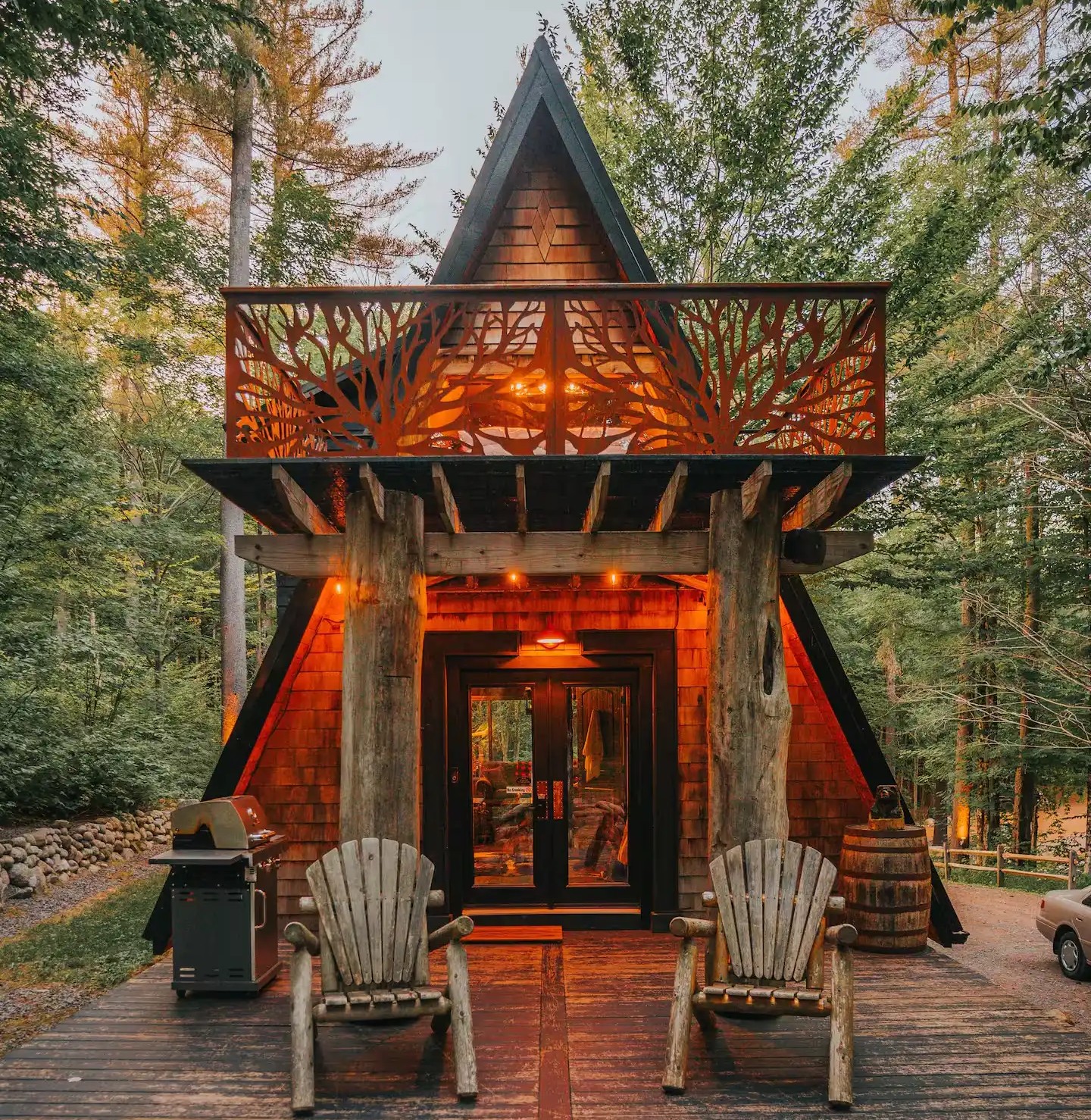
The A-Frame
The original. Motorized king bed that slides outside. Projected 2026 revenue: $150,000 to $155,000
Best features: Motorized slide-out bed, fireplace, lake access, open living design
The Treehouse
Built with his kids. Suspension bridge across a ravine. Sleeps 4. Projected 2026 revenue: $160,000 to $165,000
Best features: Cable bridge, waterfall on property, private patio, fire pit, pond, lake access
.jpg)
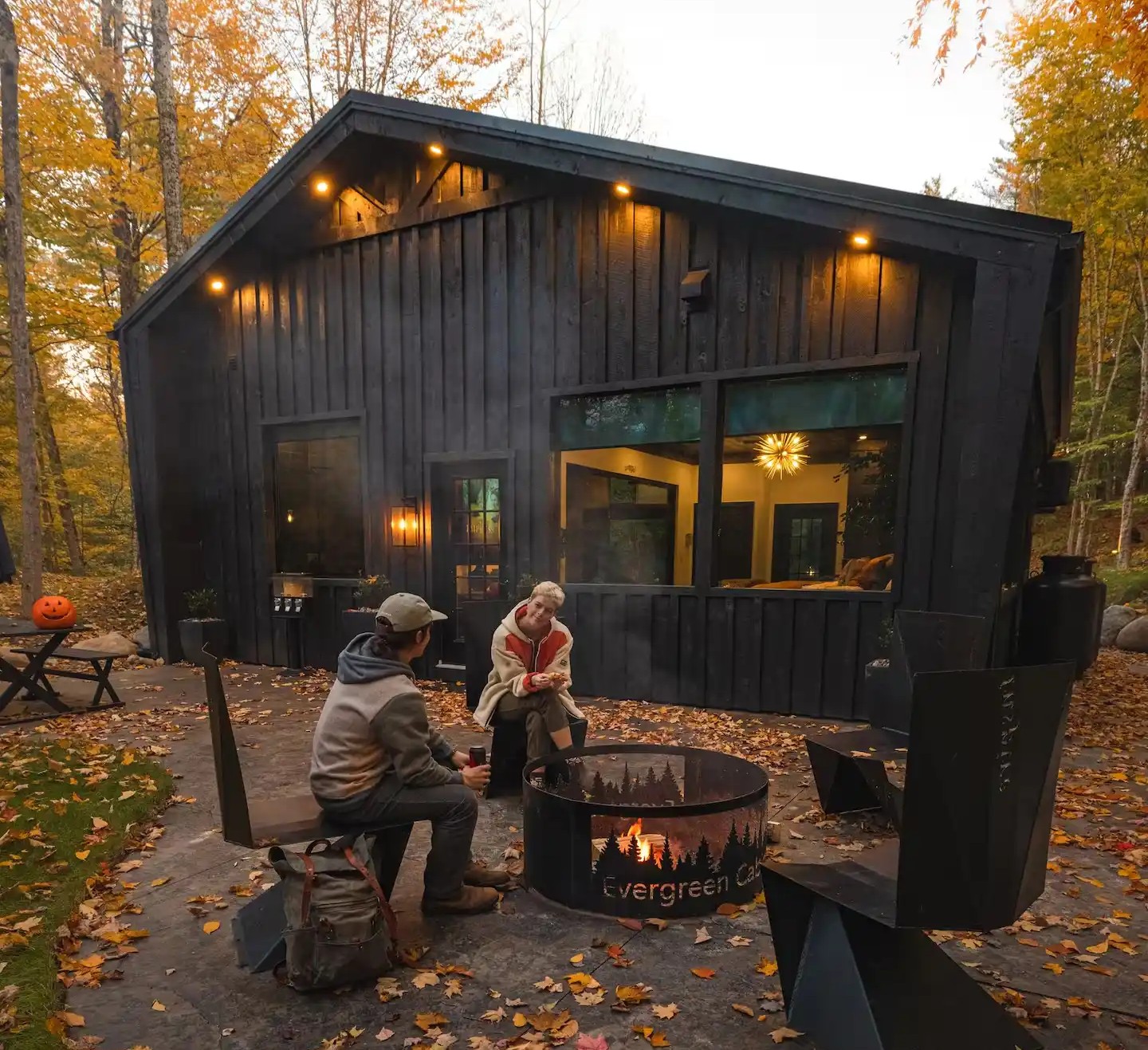
Birch Falls
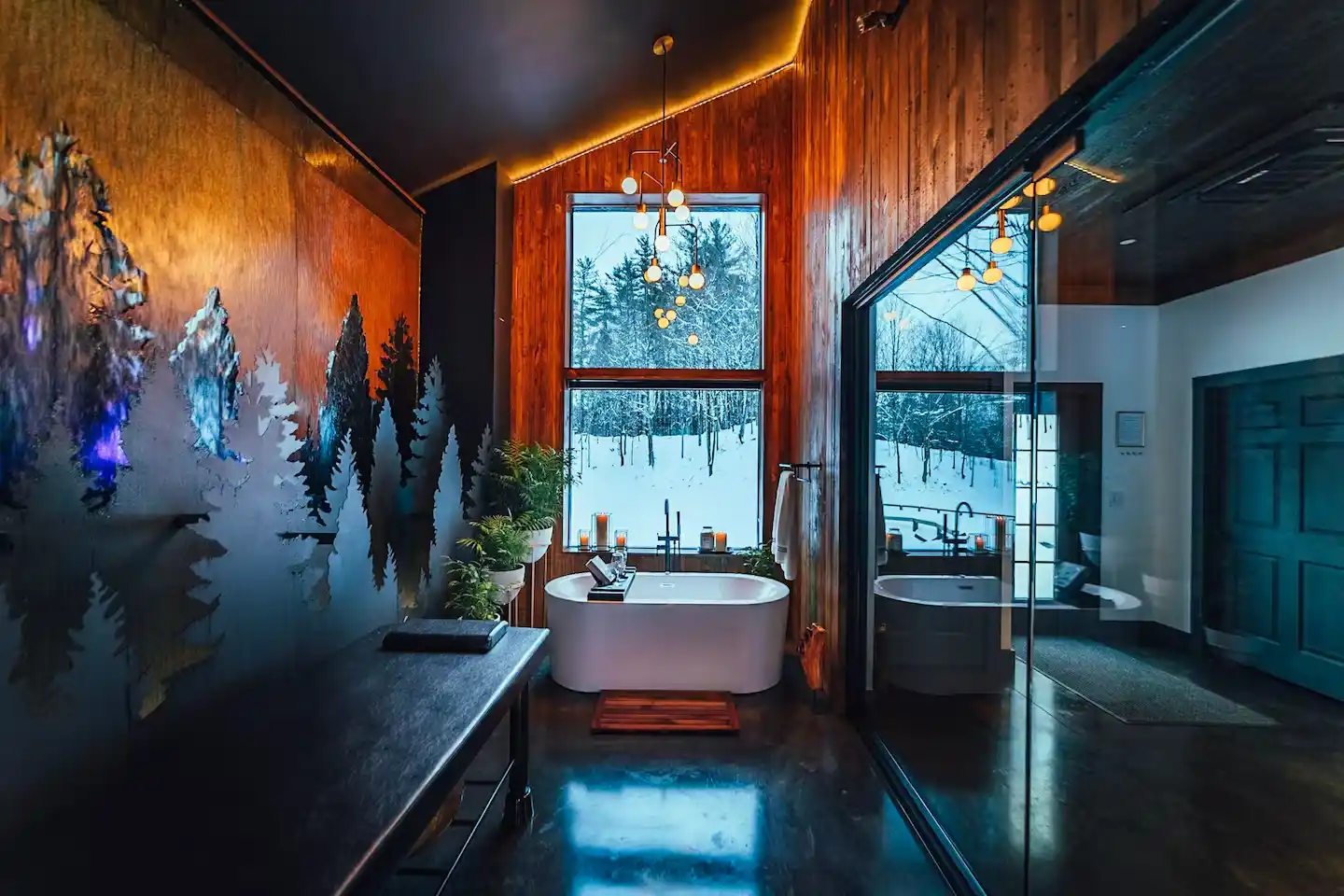
Spa retreat for couples. 18-foot indoor waterfall and jet tub. Sleeps 2. Projected 2026 revenue: $145,000 to $150,000
Best features: Indoor waterfall and jet tub, spa room, deck with fire pit and BBQ, valley views
The Container Cabin
Shipping container with a sky bubble and his daughter's drawings framed in the walls. Sleeps 2. Projected 2026 revenue: $170,000 to $180,000
Best features: Sky bubble, private waterfall steps away, wraparound deck, hammock, fire pit.
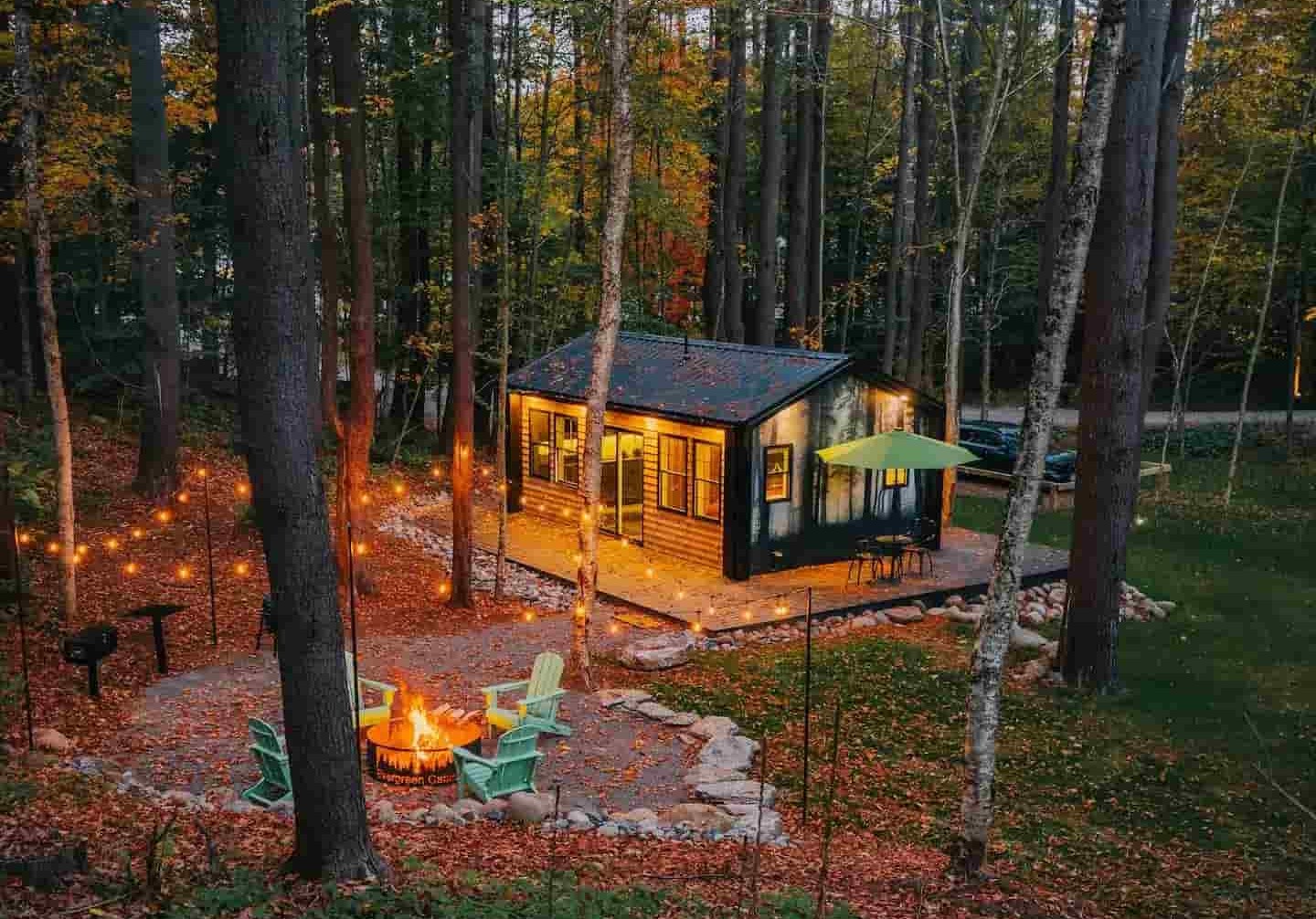
The Tiny House
His personal retreat. Barely marketed. Still on pace for $60,000 to $70,000 this year.
Results & Performance
2026 projected gross revenue: ~$680,000
Annual overhead: ~$252,000 (mortgage, taxes, utilities, insurance, cleaners, maintenance)
Annual net profit (cash flow): ~$428,000
Valuation: $5.5 to $6 million
On 5 acres bought for $27,000 in the middle of nowhere.
His Powerful Airbnb Direct Booking Engine
Airbnb was only the starting point. Chris built a brand that brings guests directly to him.
He offers a $100 discount for first-time direct bookings through his website when guests sign up for his newsletter. That incentive captures emails and builds his list. And he has a consistent social media strategy. Today, he has 160,000 Instagram followers and a 60,000-person email list.
The coolest part: 90% of his bookings are direct. When you own the guest relationship, you're not at the mercy of algorithm changes or platform fees. Chris controls his own business.
👉 Check out our Direct Booking Guide to learn how to set this up for your own Airbnb
The Playbook: What Chris Did Differently
1. He built a standalone brand, not just a job.
Chris invested in his direct booking site early. He invested time in marketing his Airbnb and collecting emails. Today, 90% of his bookings are direct. He owns the guest relationship. He has a 60,000-person email list and 160,000 Instagram followers. He's not renting his business from a platform. And it's not at the mercy of a platform change or sudden delisting.
2. He made it personal.
His kids designed the treehouse. His daughter's drawings are framed in the container cabin. He turned his business into a family legacy.
"I want my kids to know how to build stuff. If we were building something that they came up with, I was thinking that they would be more inspired to learn the trades."
That injects a unique story into the project that you can't manufacture.
3. Understand your own goals and vision, not just benchmarks.
Chris reinvested every dollar into the next build. He kept building until he had enough income to quit his job entirely. That was his goal: freedom, financial security, and being able to live slowly and spend more time wth his family. In just a few years, he's achieved it.
4. He used his hidden advantage.
Chris is a carpenter. He built the A-frame for $90,000 instead of $160,000. He built the treehouse in 13 weeks instead of 9 to 18 months.
You might not be a carpenter. But you have a skill or network that gives you an edge. Find it and use it.
5. He never dropped the ball on interiors.
The location is beautiful, but Chris didn't use the outdoors as an excuse to slack off with the interiors. Every cabin has custom millwork, intentional design, and details that feel luxurious and immersive. Guests feel the difference the second they walk in: This is not just another cabin.
6. He paid attention to timelines.
Every month spent planning or overthinking was a month of lost revenue. Chris didn't wait for perfect conditions. He built fast. He launched fast. He learned fast. And he kept building. And when he had the capital, he hired out some tasks to build even faster. Every month delayed is potential revenue you could have earned. In STRs and construction, time literally money.
7. He created a scroll-stopping wow factor for every stay.
The slide-out bed. The cable bridge. The interior waterfall. The sky bubble. Every unit has a signature feature guests can't get anywhere else. That's why a TikTok got 7 million views. That's why people book 3 years in advance.
.jpg)
8. He secured the right permits from the start.
Chris got a campsite permit that allowed multiple dwellings on the property. He built to code and worked with the town. When the town rezoned his property for commercial use after his success, he was already compliant.
"Follow the rules. They're not there to get you. They're there to make sure your guests are safe."
How Real Estate Changed Chris' Life
Chris no longer works as a carpenter. He runs Evergreen Cabins full-time, does consulting, and spends most of his time with his family. More vacations. More slow mornings. More presence.
The guy who spent 35 years building dream homes for other people is finally building lasting wealth for himself and his family.
Ready to Build Your Own Legacy?
If you're ready to build something that outlasts you—whether it's a single cabin or a village of tiny homes—book a free strategy call with the Host Camp team. We've helped thousands of students build their dream properties from the ground up. Chris is one of them.
See the magic for yourself:
Looking for more inspiring Host Camper stories? Check out the Campfire Lodges story here to see how Caleb escaped his golden handcuffs as a VP and found a way to build wealth on his own terms.


