

The ADU Math: What a Backyard Unit Really Earns as a Short-Term Rental
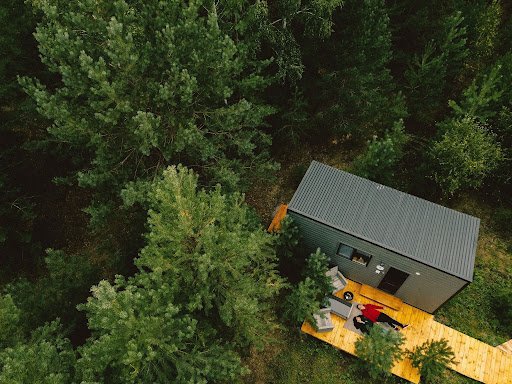
The backyard behind your existing STR, the weird side lot you'll figure out later, or the acre sitting there while you keep paying for it every month. You're already paying for that land, and right now it's earning $0. A prefab ADU (accessory dwelling unit) turns it into a second income stream without buying another property or breaking into a new market
What It Costs to Install
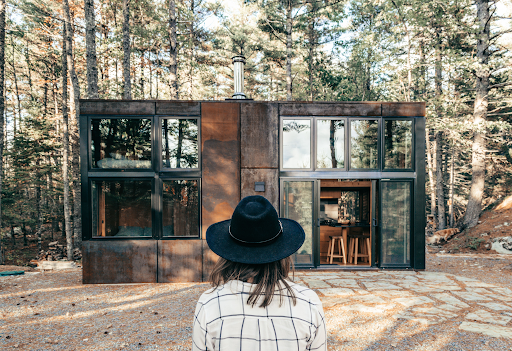
A prefab ADU in the 400 to 600 square foot range runs $80,000 to $130,000 fully installed, covering the unit, delivery, foundation work, and utility hookups. Our vetted prefab supplier list covers who builds them and the scam flags to watch for. Site prep on a flat lot adds $10,000 or less. Complicated terrain costs more. We broke down the full line items in last week's guide, or run your own parcel through our free Site Prep Cost Estimator.
Timeline from contract to occupancy: 3 to 6 months with a prefab unit. A stick-built structure on the same parcel takes 8 to 14 months. If an existing garage is already on the lot, conversion runs $40,000 to $80,000 depending on scope. Conversion is the cheaper route, but the footprint and layout are fixed by what's already standing.
What It Earns

A well-placed STR ADU in a mid-tier market pulls $1,200 to $2,500 a month net. Location drives the number more than anything else.
High-demand tourism or outdoor market (Smoky Mountains, Blue Ridge, Lake Tahoe adjacent): $2,000 to $3,500+ per month at 65%+ occupancy. Seasonal peaks push higher. These markets also tend to have the tightest STR regulations, so confirm zoning before you model the top of that range.
Mid-tier drive-to or regional market (mid-market Appalachia, rural Tennessee, parts of Colorado outside major resort zones): $1,200 to $2,500 per month at 55 to 65% occupancy. This is where the math works without needing peak season to carry the year.
Urban or suburban market (ADU near a major city, university town, or medical district): $1,500 to $2,800 per month depending on proximity. These markets often restrict STRs to 30+ day minimum stays, which shifts the model to mid-term rental rather than nightly. Occupancy tends to be more predictable and management lighter.
STR vs Mid-Term Rental: Which One to Run
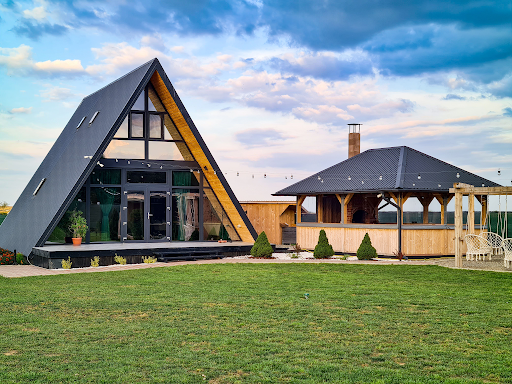
Before you model the numbers, you need to know which stay type the parcel can legally run.
If nightly STR is permitted: The ceiling is higher, the management load is heavier. At $150 to $250 per night and 55 to 70% occupancy in a mid-tier market, you're clearing $1,500 to $2,500 net per month after platform fees and cleaning.
If 30+ day minimum stays are required: You're in mid-term rental territory. Corporate stays, travel nurses, relocating employees. Monthly rates typically run $1,200 to $1,800 for a well-finished 1-bedroom ADU. Vacancy is lower too, and the management load drops significantly. A travel nurse placement typically runs 13 weeks, so you're turning the unit 4 times a year rather than 30.
If the zoning is unclear: Check the use table first. The stay type the parcel can legally run determines everything else. We covered exactly how to do that check in our guide to finding STR zoning rules before you buy.
The Payback Period
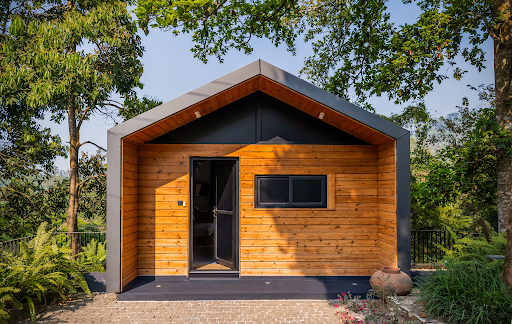
On a $100,000 all-in project netting $1,500 a month, you're collecting $18,000 a year from land you already own. Payback lands under 6 years.
Run it at $1,200 net and the payback stretches to 7 years. Run it at $2,000 net in a stronger market and you're under 5. Does It Pencil runs this math on your own numbers in about 2 minutes.
The value side helps too. National data puts the property value gain from a permitted ADU at 20 to 35%. On a $400,000 property, the low end of that range adds $80,000 in appraised value and the high end adds $140,000, against a $100,000 build. The value gain roughly covers the build cost. The rental income is the return.
Check the Parcel Before You Spend Anything
Not every lot can support a detached ADU. 4 things to confirm first:
Zoning district and use table. Pull your county GIS map, find the parcel, note the zoning code. Then pull the county zoning ordinance and confirm whether detached ADUs are a permitted use in that district. Some residential districts allow them outright. Others require a conditional use permit. Some prohibit them entirely.
Minimum lot size and setbacks. Many jurisdictions have minimum lot size requirements for ADU construction, typically 5,000 to 6,000 square feet, and setback rules that determine how close to a property line you can build. A lot that looks buildable on the surface may not have enough usable area once you subtract the setbacks.
Utility connection capacity. The unit needs to tie into existing water, sewer, and electrical on the parcel. If the main structure is already at capacity, a utility upgrade adds cost and timeline. Confirm this before you price the project.
HOA documents and CC&Rs. A parcel can be legally zoned for ADU construction and still sit inside an HOA that prohibits detached structures. Read the CC&Rs before you invest in plans.
Answer 2 questions before anything else: Does this parcel legally support a detached ADU, and what stay type can it run?
The Fannie Mae Angle
Fannie Mae is the government-backed entity that sets the lending guidelines most conventional mortgage lenders follow. If you're financing the ADU build or refinancing the main property after completion, ADU rental income can count toward your qualifying income under those guidelines, and the rules got friendlier in October 2025.
A Fannie Mae Selling Guide update (SEL-2025-08) now lets lenders count projected ADU rental income when qualifying a borrower on a 1-unit primary residence, for purchase and limited cash-out refinance loans. Lenders count 75% of documented market rent, the income can come from only 1 ADU, and it can make up no more than 30% of your total qualifying income.
The catch: Short-term rental income from platforms like Airbnb generally doesn't qualify. Lenders want a signed lease. STR income still belongs in your operating math; it just won't help you qualify for the loan. Mid-term rental income with a signed 30+ day lease is more lender-friendly.
If you're planning to use ADU income to qualify for a larger loan, confirm the details with a lender who has closed ADU transactions before you commit to a project structure.
Where ADUs Are Heading
Prefab units are taking a growing share of new ADU construction as the supplier market matures and build times drop. California, Oregon, Washington, and Colorado have all passed legislation that restricts local governments from blocking ADU construction outright. California now requires cities to act on a complete ADU application within 60 days. We covered these and other changes in our Q2 regulation roundup.
If your target market is in one of those states, the regulatory risk that existed 3 years ago is largely gone. Check whether your specific county and municipality are in compliance with state law before you assume it applies.
What Works
ADUs work as a second income stream because they remove the hardest part of adding a rental: Finding the land, negotiating the deal, and putting together the financing. You've already done all of that on your existing parcel.
2 mistakes show up again and again in deals that stall. Operators model the STR income without running the zoning check first, and end up with a unit that can only run 30-day minimums in a market where nightly rates were the whole thesis. Or they call suppliers before checking the parcel for setbacks and utility capacity, and get a third of the way into a project before hitting a constraint that changes the cost or kills the plan.
Run the parcel check. Run the numbers. In that order.
We built a free 2-page workbook to run both. Download the Backyard ADU Blueprint and work through the math and the parcel readiness checklist before your next supplier conversation.


