

Airbnb Hotels, AI Concierge, and the "Great Rural Shift": Takeaways for Hosts from ITB Berlin
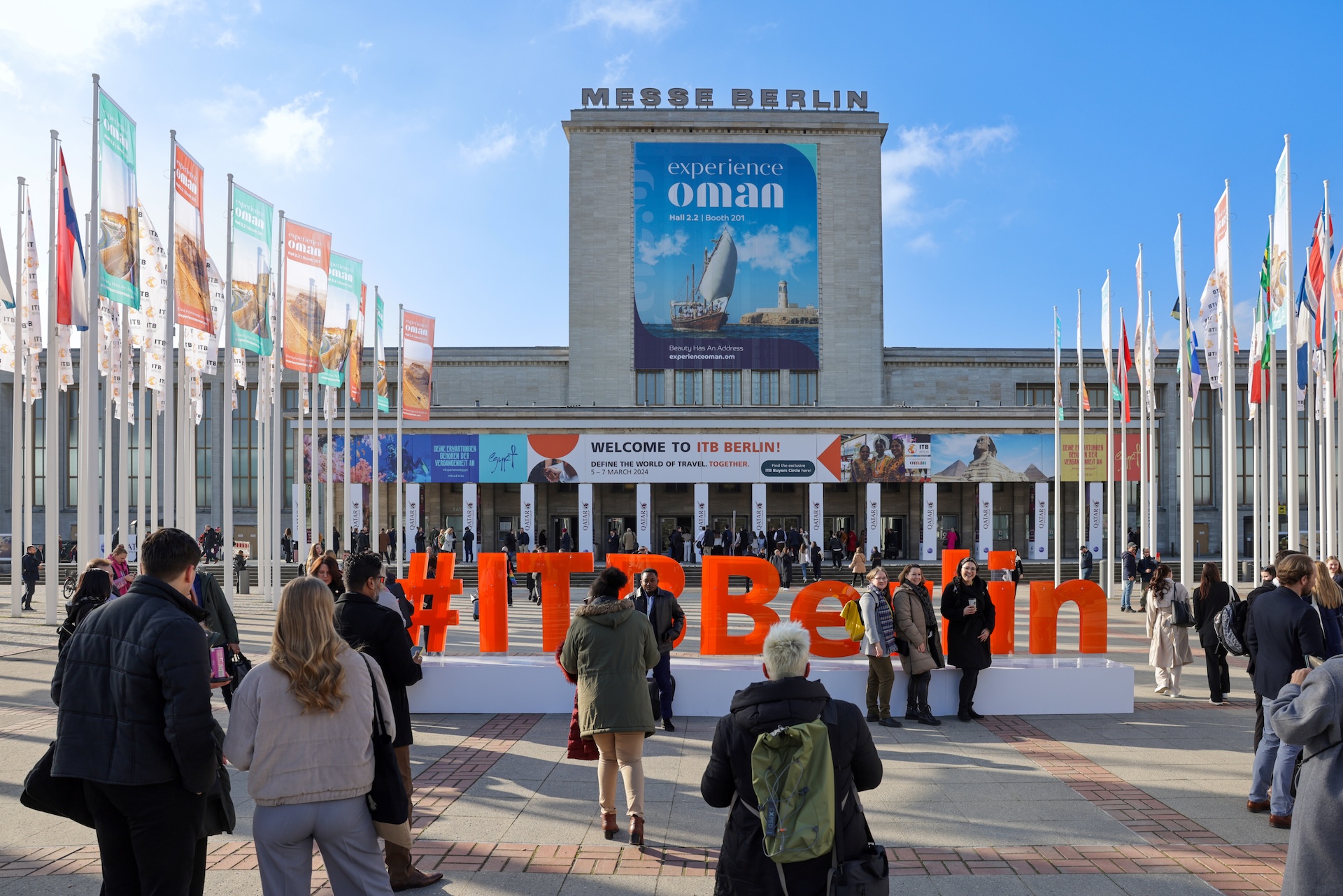
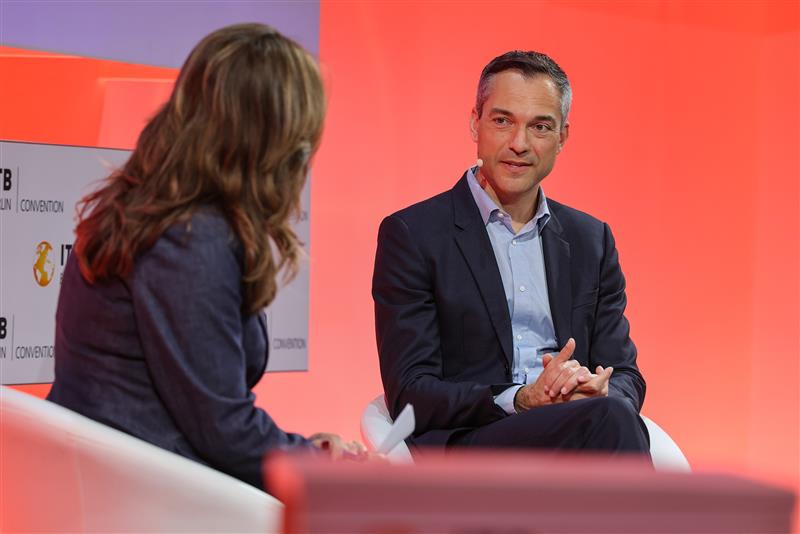
At this year's ITB Berlin, the world's leading travel trade show, Airbnb co-founder and Chief Strategy Officer Nathan Blecharczyk sat down with Mitra Sorvino, Senior Vice President for Content at PhocusWire, for a candid, eye-opening conversation about where the platform is headed.
Since his last ITB appearance (virtually in 2021), Airbnb has gone through an IPO, a complete platform rebuild, and is now leaning hard into AI. The conversation is packed with insights for hosts and investors, and a rare inside look at Airbnb's priorities for 2026 and beyond.
Here are the key takeaways we think every host needs to know.
Airbnb's Big Vision: The "One-Stop Shop" is Back
Before the pandemic, Airbnb's goal was to become a one-stop shop for travel. Then COVID hit, and the company had to pull back and focus on its core business. Now, with strong growth returning, that ambition is back on the table.
"We are once again thinking about being the one-stop shop for travel... a place where you not only find homes but experiences, services, for example, like groceries in your fridge, in-home chef, airport pickup...Basically adding all the most wanted um parts of your trip to the Airbnb platform." – Nathan Blecharczyk.
For hosts, this isn't just corporate strategy—it's an invitation.
What extra services could you offer? A partnership with a local chef for meal deliveries. Arranging airport pickup. Curating local experiences. The hosts who start thinking like boutique hotels—offering more than just a bed—will be the ones capturing this new revenue stream before it becomes table stakes.
Airbnb's AI Plans: From Support Bots to Personal Travel Agents
Artificial intelligence is already reshaping how Airbnb operates, and the company is betting big on it.
Right now, AI is quietly working behind the scenes to fix one of the hardest problems in the business: customer support at scale.
"About a third of inquiries are resolved through AI... guest satisfaction with our customer service has been on the climb the last year." – Blecharczyk.
When you contact support, AI now creates an "executive summary" of your case, pulling together all the context—your history, the booking details, relevant host information—so the human agent has the full picture before they start typing. It's the kind of behind-the-scenes improvement that makes the entire platform work better for everyone.
Long-Term Vision: Your AI Travel Concierge
The bigger bet is using AI as a personal travel agent. Airbnb has 18 years of data—where guests have stayed, what they've liked and disliked, and what reviews they've left.
"We have a very rich profile of who the guest is... 18 years of travel history on our platform. People have been leaving reviews about what they like, what they don't like. That's all really rich data to feed into an AI."
The goal? An app that knows you well enough to build a complete itinerary without you doing a thing.
Airbnb's Strategic Hotel Strategy
Why is a home-rental platform adding hotels?
The answer is surprisingly practical.
"We recognize that even our most loyal customers still book hotels sometimes. Because there's certain trips where you just need a hotel. "
Rather than lose those bookings to Expedia or Booking.com, Airbnb wants to keep them in-house. They're starting in a focused way—New York, San Francisco, and a few other cities—with boutique and independent hotels that fit the platform's aesthetic.
For independent hotels, the appeal is straightforward: access to a younger demographic they struggle to reach on their own.
It's about making sure that when guests need a hotel, they don't leave the ecosystem entirely.
Nathan's Surprising Host Pet Peeve (That You're Probably Doing Too)
In a rapid-fire Q&A at the end of the session, Nathan was asked a simple question: What is one thing an Airbnb host can do to earn a five-star review from you?
His answer wasn't about amenities or design or high-end appliances.
"Take the effort to leave a few recommendations. What's the favorite coffee shop? Your favorite restaurant in the neighborhood. That is just practical, but it's also a nice personal gesture, and anyone can do it." –
He went further, admitting this is a personal frustration.
"I think of Airbnb as not just the experience inside the home, it's also the neighborhood. But...hosts...don't take an extra 20 minutes to write that down."
It costs nothing but time. It adds a personal touch that guests remember. And according to the co-founder himself, it's the difference between a good stay and a great one.
Why Hosts Are the Secret to Airbnb's Success
There's a question hanging over every platform in the AI era: What happens when the interface layer gets disrupted? If ChatGPT or another AI becomes the way people find and book travel, does Airbnb get cut out?
Nathan isn't losing sleep over it.
"We have the largest selection of homes of anyone. Also, these unique relationships for experiences and hosts. I think we're very strong on the supply side."
AI can write code. It can build workflows. It can create chatbots. But it cannot easily replicate the unique, human-powered supply that hosts bring to the table. The relationships, the local knowledge, the character of a treehouse or a castle or a rustic cabin—that's the hard part of the business.
Hosts aren't just cogs in a machine. You're the reason the platform has value in the first place.
Rural is the New Frontier: The Gen Z Effect

60% of Airbnb's business in Europe is now outside of cities in rural areas, according to Blecharczyk.
A few things are driving this.
First, Airbnb is everywhere. They're in 150,000 cities and towns globally. Some of these small towns don't even have a hotel—Airbnb is the only way to stay overnight there.
Second, and more significantly, Gen Z is leading the charge.
"Gen Z grew up during the pandemic and experienced that. There was a period when they couldn't go abroad. They couldn't go to those classic destinations. Instead, they got resourceful and looked in their backyard and started going to rural destinations. That mentality still sticks."
The numbers back this up. In Germany, searches for nature trips by Gen Z grew 75% between 2023 and 2025. For the rest of the population, it was 35%.
Airbnb's $1 Million Bet on Rural Tourism
To double down on this trend, Airbnb announced a new partnership at ITB with the German Tourism Association (DTV) to launch a $1 million fund specifically to promote non-urban travel in Germany.
For hosts in rural areas, the message couldn't be clearer: you're sitting on growing demand, and the platform is actively investing in bringing more guests your way.
The Regulatory Reality: What Cities Are Learning
It's no secret that Airbnb has faced regulatory battles around the world. But Nathan brought data to the conversation—specifically, what happens when cities crack down hard.
"New York City basically banned Airbnb a couple years ago. What happened? Rents kept going up. Hotel prices went up, too."
"Amsterdam passed a law in 2019. Resulted in 54% of the Airbnbs being removed from the market. What happened? Rents went up by a third over the next five years—much faster than the rest of the Netherlands."
In Barcelona, Airbnb lost about 24% of listings. Over the next six years, rents went up 37%—faster than the rest of Spain.
Lisbon and Edinburgh saw similar results, and both have since relaxed restrictions.
Nathan was careful to acknowledge that housing affordability is a real issue—but argued it's bigger than short-term rentals.
"When you look at the numbers across Europe, for every thousand homes in Europe, only three are on Airbnb. And if you look at ones that are actually rented frequently—more than 90 days—it's less than one in a thousand."
After years of battles, Airbnb is partnering with cities through tools like the City Portal and automatic tax collection (they've remitted $17 billion to date).
Final Thoughts
Airbnb is betting on three big things: AI to simplify travel, rural expansion to capture the next generation of travelers, and a broader "one-stop shop" vision to own more of the trip.
For hosts, the message is consistent across all of it: lean into local expertise. Don't skip those personal recommendations. Diversify income and think about what else you can offer beyond the bed. And if you're in a rural area, get ready—the Gen Z guests are coming.
Join The Daily Host STR Newsletter for more STR news, updates and strategies.


