

How to Price Your Airbnb for Any Local Event
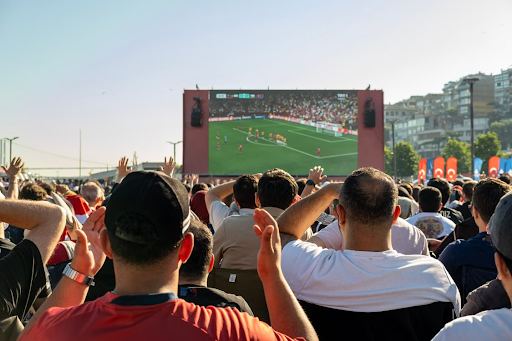
The World Cup added $276.7 million in short-term rental revenue this year. Only 16% of that came from extra bookings. The rest came from raising the rate. That works whether the event draws 3,000 people to a conference center or 60,000 to a stadium.
The Mistake Hosts Make With Event Pricing
"There's an event nearby" isn't the signal. The signal is whether new listings can come online fast enough to soak up the extra demand. AirDNA's report on the World Cup found that supply grew right alongside demand in most host cities, so occupancy per listing barely moved. The extra money showed up in the nightly rate. Rate was the only thing hosts could still change once new listings caught up with the extra demand.
That's the test to run before you touch your price. Is this event pulling in more guests than the market has rooms for? Or can every hotel and host nearby just list a spare room and match the demand? The first is worth pricing up for. The second barely changes anything.
For a city-by-city breakdown of how this played out, see our AirDNA midyear outlook post. And if you're weighing which platforms to price this way on in the first place, our Airbnb vs VRBO breakdown is worth a look too.
How Far Ahead to Move
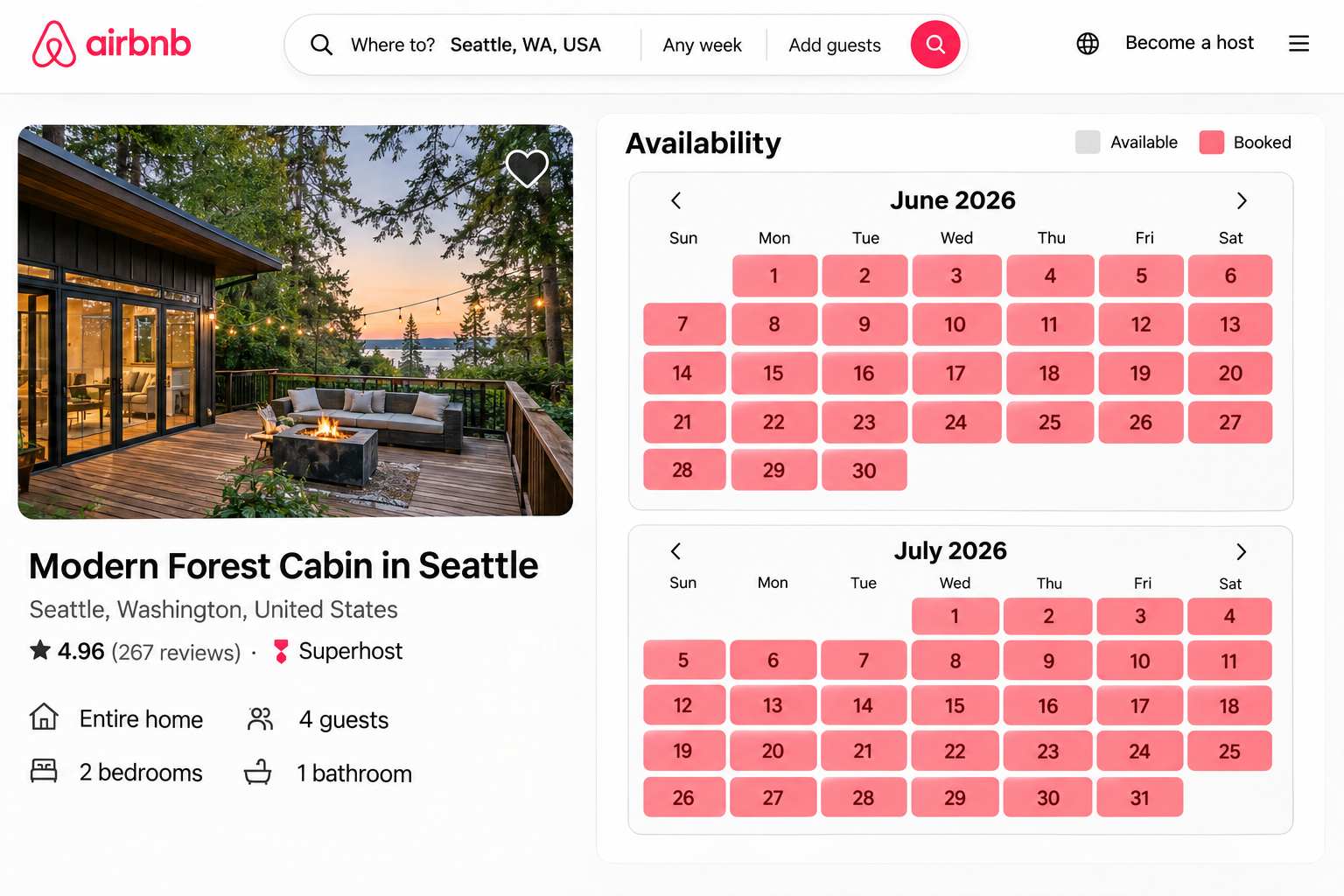
Move before search volume shows up, not after. Search interest for an event typically climbs 60 to 90 days out for major festivals and conferences, and 2 to 4 weeks out for smaller local ones like a concert, a game, or a convention. If you wait until bookings pick up, competing listings have usually already adjusted. Now you're following the market, not leading it.
Set a calendar reminder for the event date itself, not for whenever you happen to check your dashboard. A 90-day-out check for major annual events on your calendar catches almost everything worth pricing around.
When a Pricing Tool Helps (And When It Doesn't)
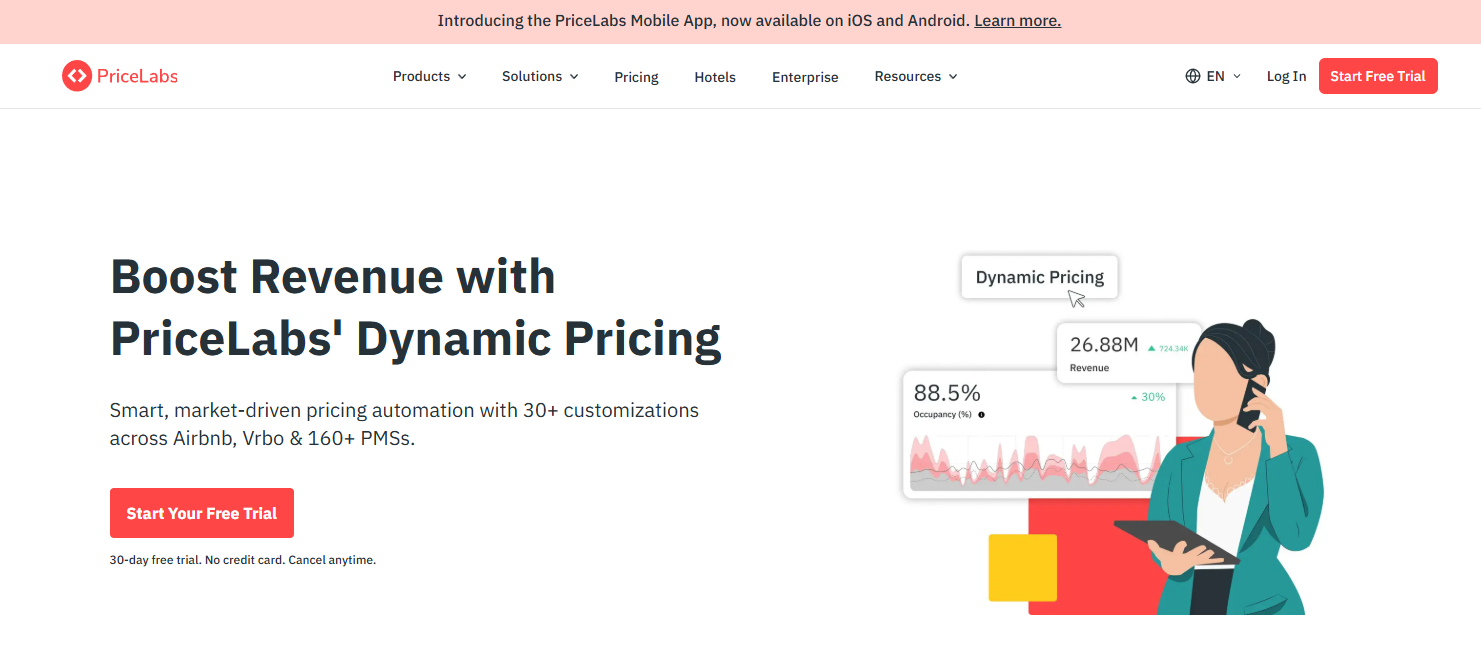
A dynamic pricing tool earns its cost when you have more than a handful of listings, or when you can't check your calendar and your market's event calendar every week. It watches for demand spikes and nudges your rate before you'd catch it yourself.
For 1 or 2 listings in a market you know well, doing it by hand works fine, as long as you're checking every week. What matters is catching the gap early. A tool just makes it harder to miss.
How to Know If It Worked

Check 2 numbers after the event: Your average nightly rate for those dates versus your normal rate, and your occupancy for that same window versus a typical week. If the rate went up and occupancy held close to normal, you captured the gap correctly. If occupancy dropped noticeably to get that higher rate, you priced past what the market would bear, and next time you pull back a little.
Notable 2026 Events for Pricing
This covers events across the year. Some already happened, some are still ahead. Run the steps above against whichever one is closest to home.
Burning Man's desert site has no lodging itself, but Reno and Sparks see the real spike from staging traffic before and after. The World Series host city isn't set until the League Championship Series wraps in mid-October, worth watching if your market still has a team alive that week.
Raise Your Rate Before Your Next Local Event

The World Cup just proved this on a huge scale: $276.7 million added, and 84% of it came from rate, not extra bookings. Your market doesn't need a World Cup to work the same way. It needs an event with more guests than the market has rooms for. That gap is where the money sits, and it closes the moment competing hosts notice it too.
Drop into the Host Camp Community and tell us how you price around your market's biggest annual event. We want to see what's working out there.
COMPARE NOTES IN THE HOST CAMP COMMUNITY →
Written by: Rob Abasolo


