

How a Home Depot Shed Became a Six-Figure Luxury Airbnb Business
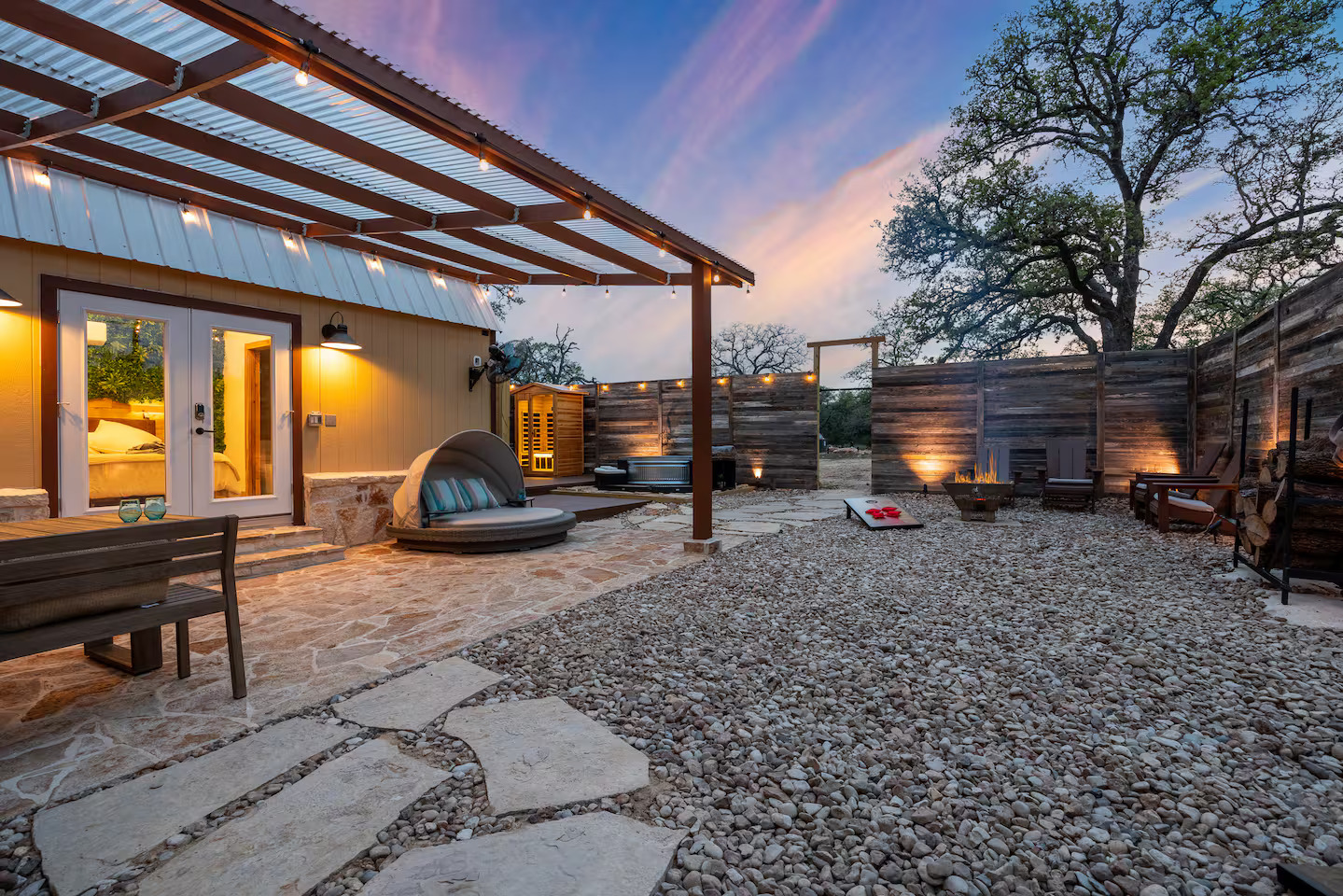
From Garden Shed to Six Figures: A Luxury Airbnb Proof of Concept
Most people see a garden shed and think: lawn tools.
Eder saw his first tiny-home Airbnb.
With no construction background and zero hospitality experience, he turned a simple Home Depot–style shed into a luxury short-term rental, generating $6,500+ per month in profit.
Fast forward just two and a half years, and that single proof of concept has scaled into four high-performing units—with more on the way.
This is the story of how starting small, choosing the perfect location, and designing for the top of the market is still one of the most reliable ways to build wealth with short-term rentals.
Eder’s Story: From City Life to Sheds in the Hill Country
Before Airbnb, Eder already had what most people would call the American Dream.
He was a successful entrepreneur and CEO living in Houston with his wife and kids. Stable income. Busy schedules.
But somewhere along the way, the pace caught up with them.
They missed the freedom they used to have—time with their kids, slower mornings, travel, and a lifestyle that didn’t revolve around meetings and calendars.
So Eder started researching.
After exploring multiple markets around the world, he landed on 10 acres in Texas Hill Country—close enough to civilization to stay convenient, but far enough to feel like a true escape.
And then came the idea that raised a few eyebrows (including his wife’s):
What if he didn’t build a house… but bought a shed?
The Plan: Turning a Cheap Shed Into a Luxury Proof of Concept
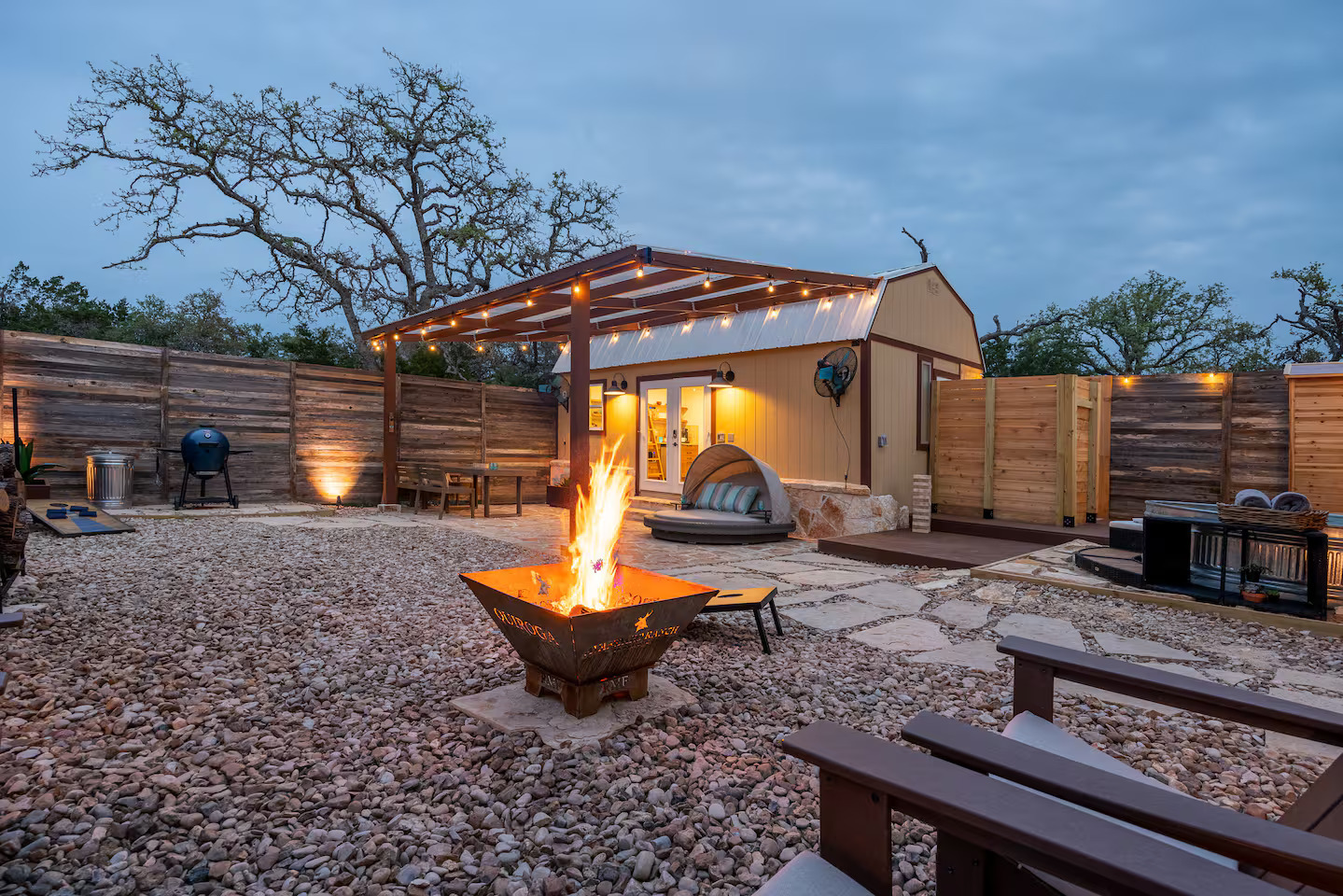
Eder didn’t want to start with a massive, high-risk build.
His goal was simple:
- Low cost
- Low downside
- High learning value
As he put it:
“If I messed it up and it went nowhere, no big deal.”
That mindset pushed him away from domes, yurts, and mansions—and toward something with a low entry cost that he could still customize and control: A shed.
This wasn’t about cutting corners. Eder wanted to learn fast without betting his life savings.
He invested roughly $100,000 to fully build out, furnish, and elevate the shed into a luxury experience. Setting up utilities on raw land cost another $20,000 per unit.
Seems steep—until you see how much cash these sheds are printing.
Property Overview: Avandaro Ranch – Romantic Luxury Shed
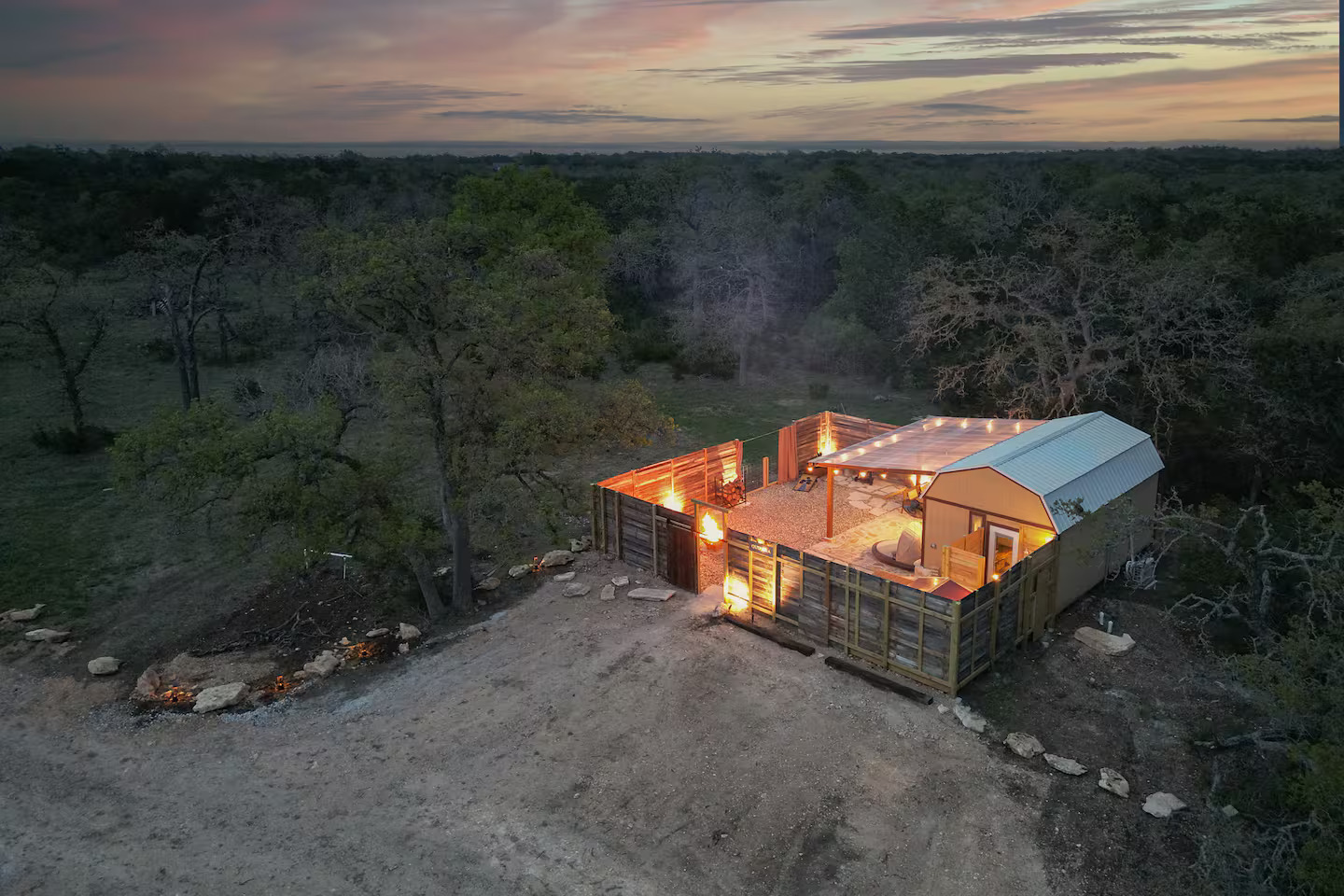
Location: Texas Hill Country
Size: ~300 sq ft (including lofts)
Land: 10 acres, designed to scale into a multi-unit destination
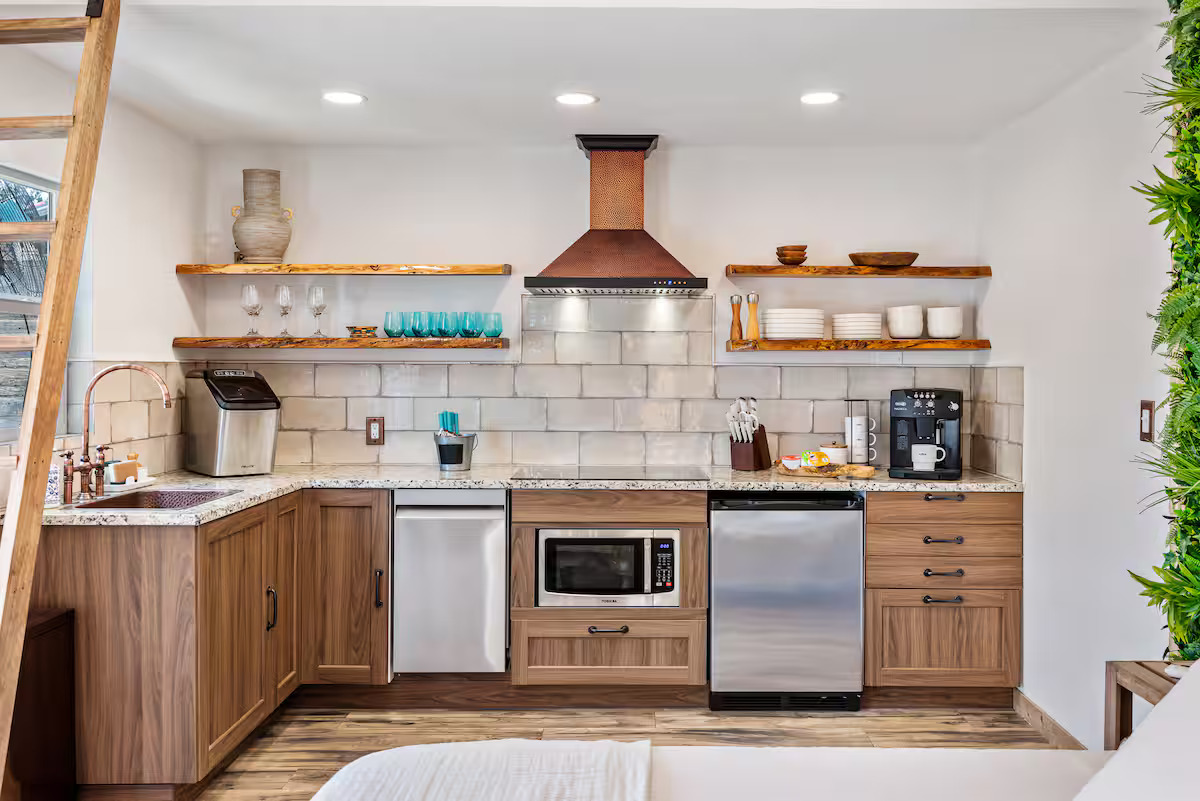
Despite its small footprint, the space feels expansive thanks to thoughtful design and a seamless indoor–outdoor flow.
Each unit is designed to deliver total privacy, elevated comfort, and a strong connection to nature.
This is not what people expect from a “shed.”
Guests enjoy:
• Cowboy-style pool with hot & cold plunge
• Two-person infrared sauna
• Outdoor shower connected to an indoor spa-style bathroom
• Cozy daybed beneath a shaded pergola
• Outdoor dining and lounge areas with misting fans (summer) and heaters (winter)
• Fully fenced private outdoor space
• Wildlife views—deer, birds, and Hill Country scenery
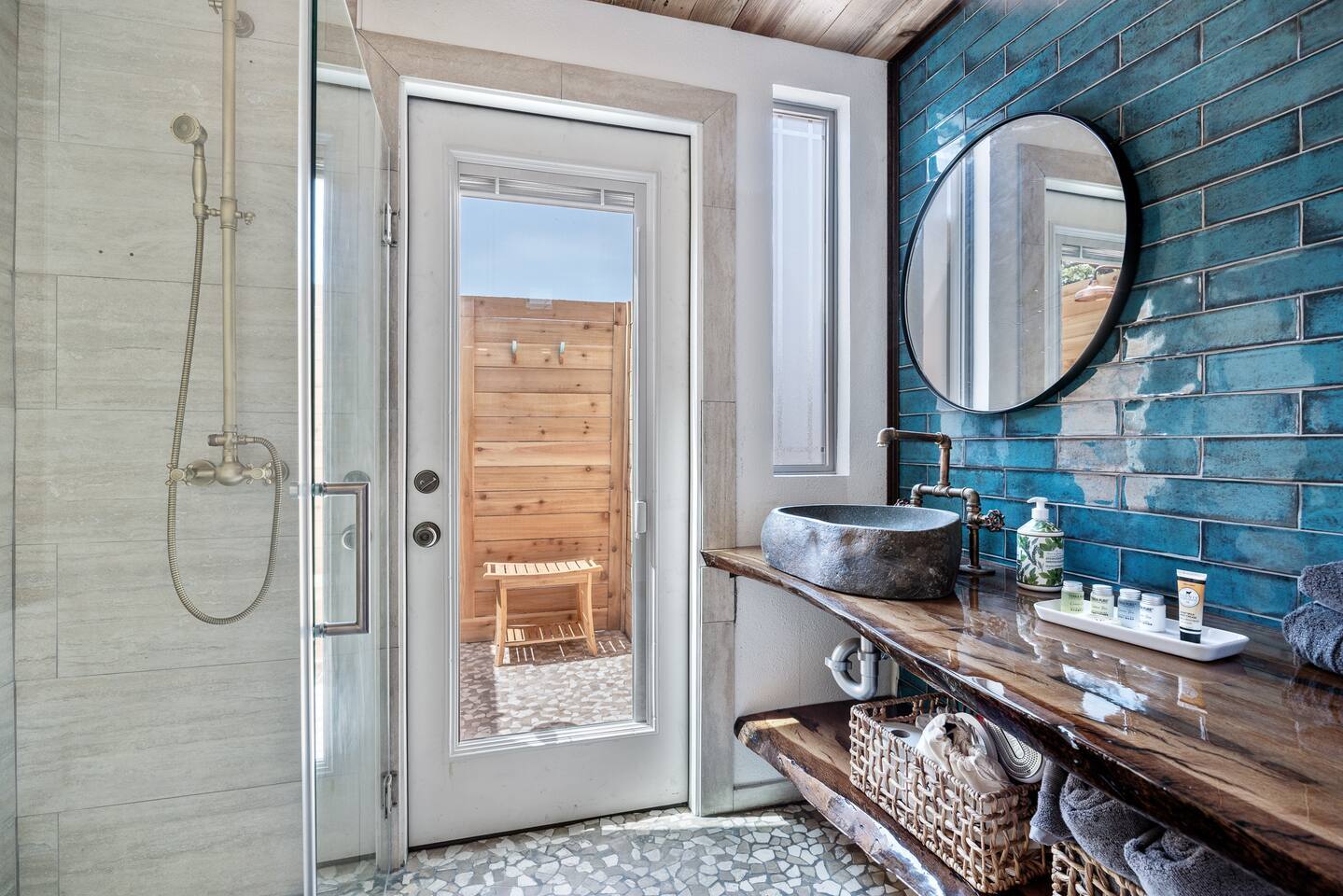
Inside, the experience continues with touches that make this feel far too premium to be a garden shed:
• High-end coffee machines
• Fully stocked gourmet kitchen with top-tier appliances
• 55” smart TVs
• Ultra-high-speed WiFi
Every detail signals one thing: This is a premium stay. This is an escape.
And guests love it.
Tiny Home Airbnb Performance & Results
Eder launched during the Texas summer, one of the slowest seasons thanks to extreme heat.
Instead of struggling, the listing dramatically outperformed the market.
In that brutally hot and humid July, he hit over 80% occupancy.
Most months, he’s sitting above 90% occupancy.
Performance highlights (per shed):
• ~$250 average nightly rate
• ~$7,000/month gross revenue
• ~$6,500/month net profit
• ~70%+ cash-on-cash returns
Annual numbers (4 sheds):
- Total revenue: ~$336,000
- Total expenses: ~$132,000
- Total profit: ~$204,000
One shed alone now covers the fixed expenses of the entire property.
Estimated payback period: ~18.5 months
That’s exceptionally fast for a real estate project of this scale.
And there’s another major upside...
The Hidden Win: Massive Tax Savings
Beyond cash flow, Eder unlocked significant tax advantages through strategic investing.
Using cost segregation and bonus depreciation, the project generated roughly:
• ~$300,000 in tax savings
• ~$550,000 in appreciated equity
Cash flow, equity growth, and tax efficiency—working together.
That’s how you build wealth with real estate.
The Playbook: Eder’s Key Lessons
1. Start with a proof of concept
Your first build doesn’t need to be glamorous—it needs to be profitable and educational.
Eder used his first unit to:
- Test pricing
- Understand guest behavior
- Validate demand
- Refine design decisions
Every future unit is better because of it.
2. Use the Golden Triangle to choose a location
Eder wanted privacy without isolation. But he still wanted to be close to attractions and demand drivers.
His property is:
- Remote enough to feel secluded
- Minutes from Wimberley Square, vineyards, restaurants, Blue Hole, Jacob’s Well, and local attractions
That balance is what allows premium pricing without sacrificing occupancy.
3. Design for the top of the market
Eder intentionally avoided budget travelers.
Instead, he designed for:
- Couples
- Anniversaries and birthdays
- Guests seeking peace, privacy, and quality
Targeting premium guests meant he had to raise the bar. But because of that intentional shift, he enjoys:
- Higher nightly rates
- Better guests
- Fewer issues
4. Let data decide what to build
Rather than guessing, Eder watched what worked in his market
The data showed:
- Smaller, experience-driven stays outperformed large homes
- Amenity-rich units stayed booked while bigger properties struggled
That's why he could confidently start with a tiny home.
5. Ask guests what they want—and deliver
Eder communicates with guests before arrival to learn why they’re visiting and what kind of experience they're hoping for.
That insight allows him to personalize stays and create small moments of surprise and delight—something guests consistently mention in reviews.
6. Triple-check zoning before you buy
One non-negotiable on Eder’s checklist for his realtor: zoning freedom.
His property sits just outside city limits with minimal restrictions, allowing him to build creatively without fighting red tape.
That flexibility is a major reason this project works.
Eder’s Design Tips for Elevating Small Spaces
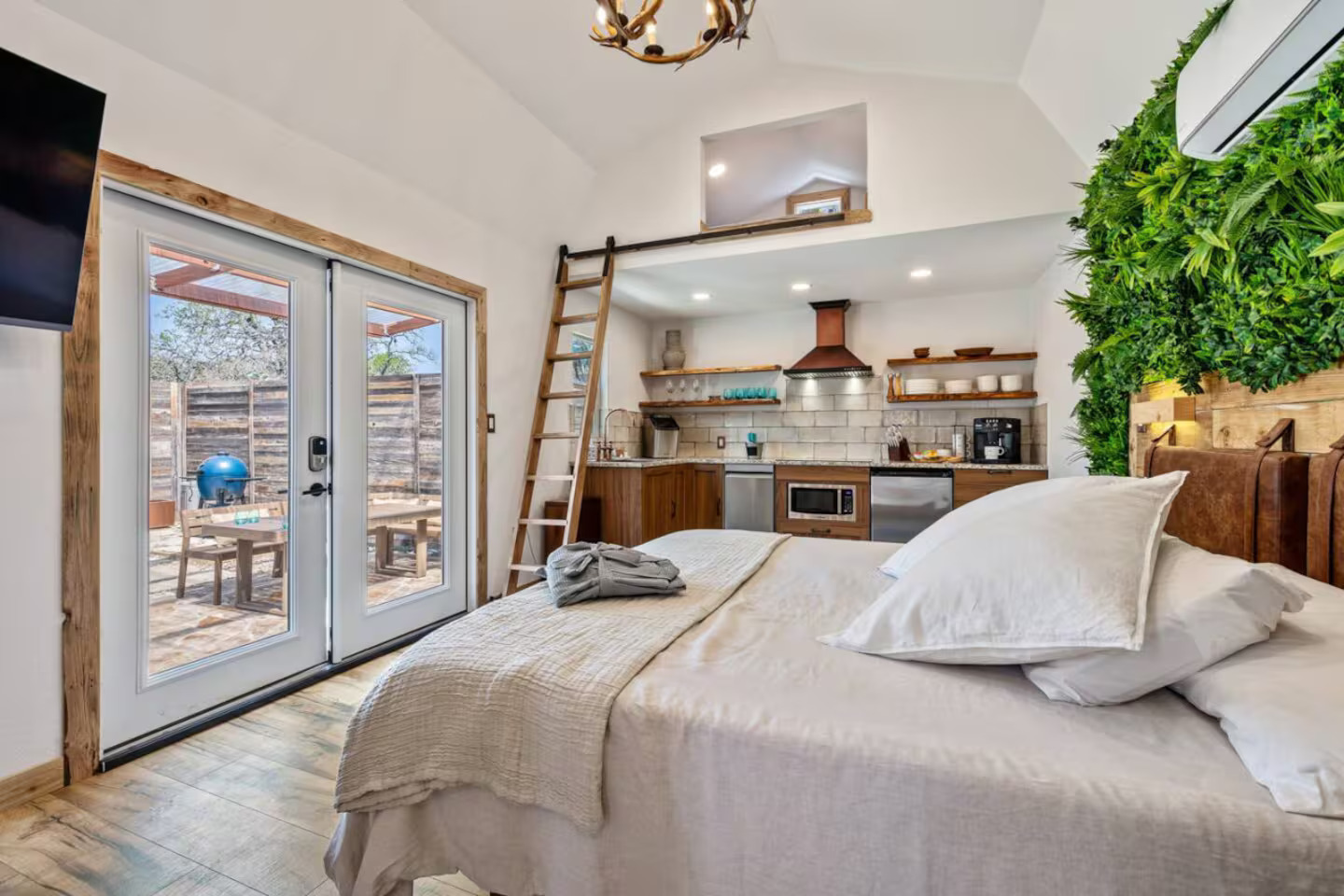
Eder turned a tiny Home Depot shed into a tiny home that feels expansive.
So how do you make a tiny shed feel like a $300–$400/night stay?
The answer is intentional design:
• Play with scale: Oversize one key feature (Eder uses a king bed) to dominate the space and signal luxury. That feature becomes the focal point, not the whole room.
• Layer lighting: Multiple light sources create mood and depth—what Kai calls emotional architecture.
• Use negative space: High ceilings and breathing room make small spaces feel larger.
• Blur indoor–outdoor boundaries: Large openings, natural materials, and outdoor amenities extend the living space. Eder's outdoor recreation area blends in with the interior, creating one space.
• Anchor with a wow factor: One unforgettable visual moment guests remember instantly (hello, giant green plant wall). That pulls the attention and becomes the first impression instead of the size.
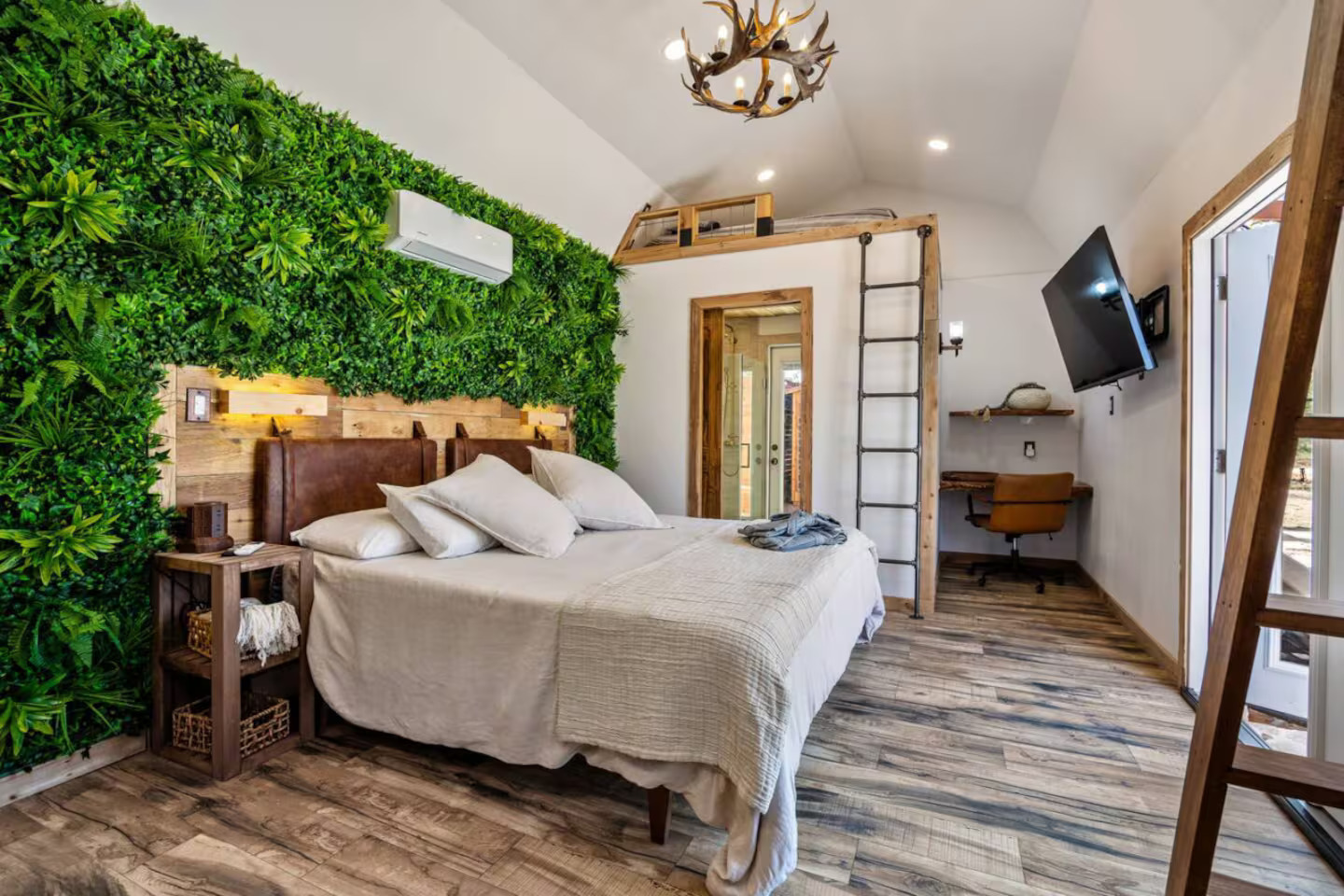
Looking for a one-of-a-kind romantic and luxurious Hill Country experience? View Eder's Avandora Ranch Luxury Retreat here and give it a ♥️.
It's not about what you start with, whether it's an ugly house, a shipping container, or a garden shed.
It's all about finding the perfect market and turning it into something experience-driven and exceptional.
The Host Camp coaching team helped Eder plan and execute this highly profitable strategy.
Book a free call with our coaches to get expert insight for your next move.


