
The Playbook: How a New Host turned the Alaskan Wilderness into a $60M Destination Brand
Some Airbnbs compete on design. Others compete on design or amenities.
Borealis Basecamp competes on something far rarer: a once-in-a-lifetime experience you can’t get anywhere else.
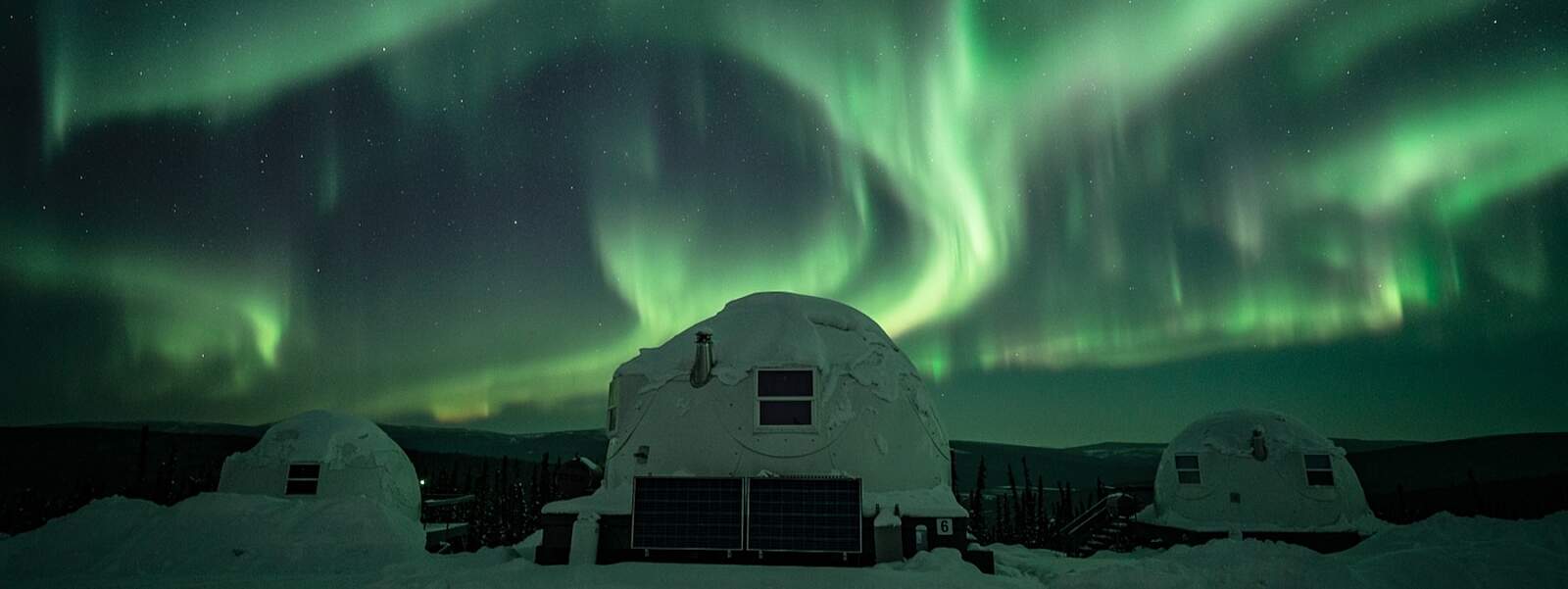
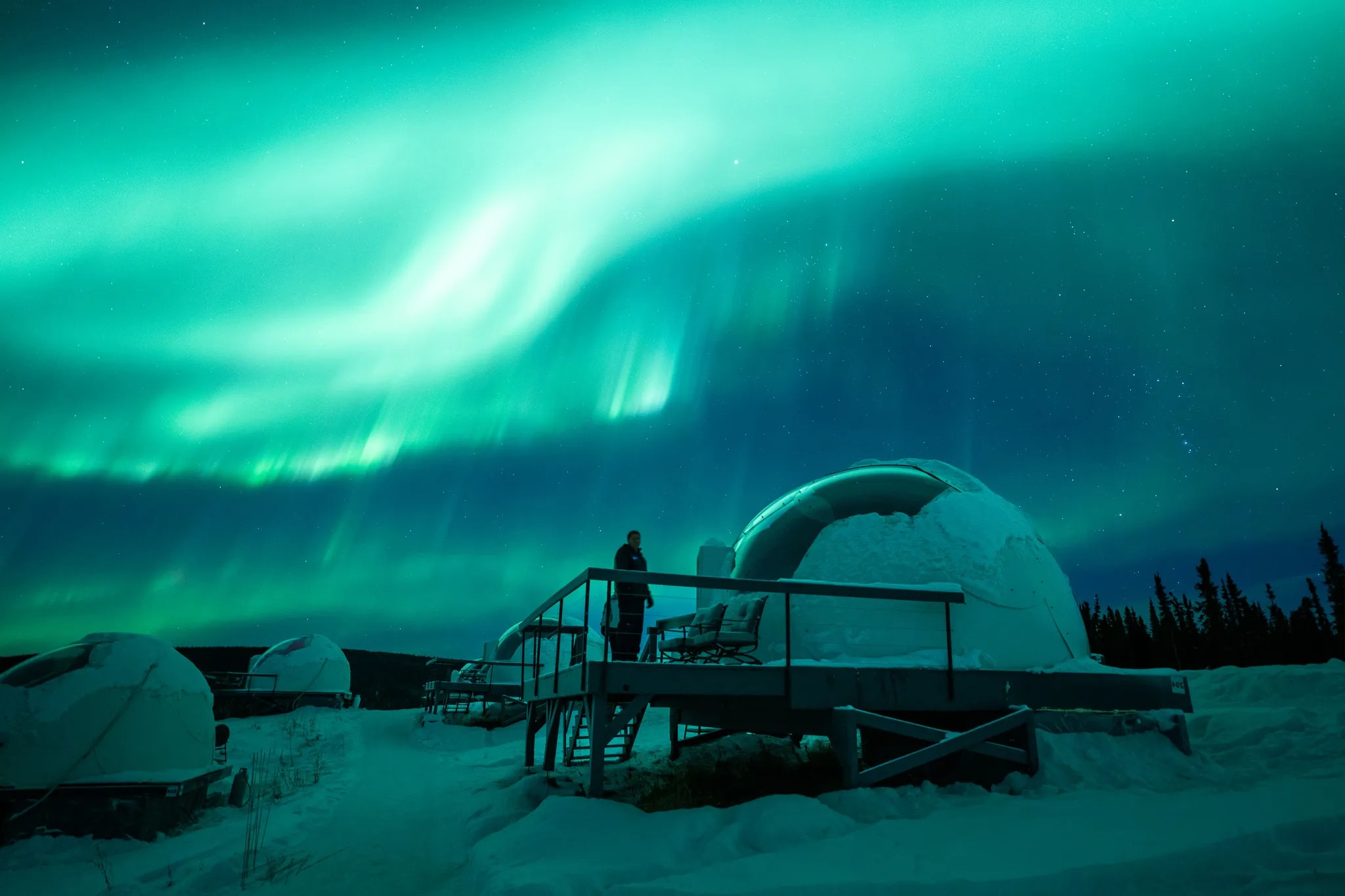
Set in the forests outside Fairbanks, Alaska, Borealis Basecamp isn’t just a place to sleep—it’s one of the most immersive Northern Lights experiences on the planet.
Guests come to lie in bed, look straight up through curved glass ceilings, and watch the aurora dance overhead.
And that singular focus has turned an empty plot of frozen land into a globally recognized destination brand that could be worth $60M–$124M less than a decade after breaking ground.
This is how it happened—and what Airbnb hosts and real estate investors can learn from it right now.
Adriel Butler’s Journey (And the Idea That Changed Everything)
Borealis Basecamp didn’t start with a hospitality background or a big development team.
It started with Adriel Butler, who spent five years living and working in China.
Adriel fell in love with experiential travel—staying where locals stayed, eating where locals ate, and valuing real moments over polished luxury. He wanted to create something authentic and experience-driven like that in the US.
The Property: Welcome to Borealis Basecamp
.jpg)
In 2017, Adriel purchased roughly 100 acres of remote forest land about 25 miles west of Fairbanks, Alaska. That area didn't seem like much, but he knew it was known for some of the best aurora visibility in the world.
Instead of building a traditional lodge or hotel, he took inspiration from the immersive igloos of Kakslauttanen Arctic Resort in Finland and built his own Alaskan version.
Borealis Basecamp includes:
- 40+ custom-designed stays, including fiberglass igloo-style domes and glass-walled cubes
- Structures inspired by Arctic research stations, built to withstand extreme cold
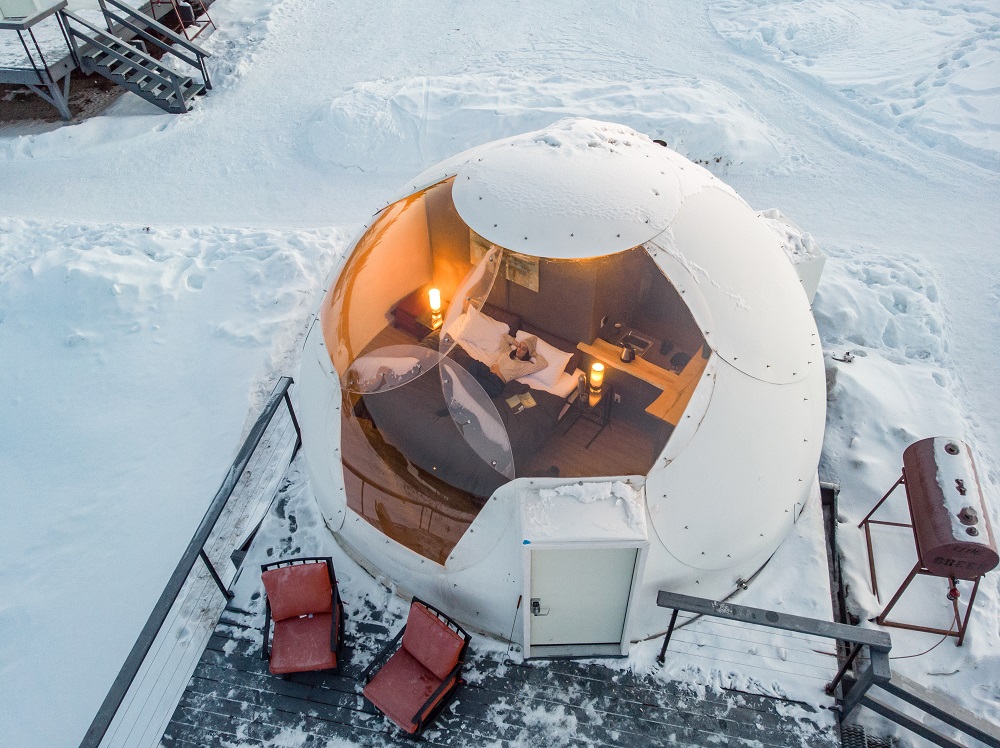
- Heated floors, minimalist interiors, and curved ceiling windows perfectly angled for aurora viewing
- A remote, light-pollution-free location optimized for Northern Lights visibility
- A wide range of immersive experiences and amenities.
And the Northern Lights are at the center of the entire experience. Nature is the main event.
The Results (This Is Where It Gets Wild)
What started as a few experimental domes turned into one of the most profitable experience-driven STR concepts in the world.
Borealis Basecamp has been featured on USA Today, Fodor's Travel, and the Chicago Tribune. AFAR Magazine named it one of the most magical places to see the Northern Lights. And the numbers back it up.
Estimated Performance Metrics:
- Occupancy: ~65% average
- Lows around 50%
- High season peaks up to 80%
- Average Daily Rate (per unit): $1,000–$1,600
- Peak nights as high as $2,500
- Estimated Annual Rental Income: $7.3M – $18.6M
- Additional Upsell Revenue: $50–$300 per night, per unit
- Estimated NOI: $4.9M – $9.9M
Less than 10 years in, Borealis Basecamp could reasonably be valued between:
- $60M on the conservative end
- $100M+ with sustained 80% occupancy
.jpg)
What They Did Differently (And What Hosts Can Learn)
1. They Were Proud Copycats
Adriel openly says this wasn’t an original idea.
He studied what worked in Finland, borrowed the best concepts, and adapted them to Alaska. Instead of reinventing the wheel, he refined it.
You don’t need a “never-seen-before” idea—you need a proven idea executed better in the right location for the right guest.
2. He created demand where it didn’t exist
Alaskan winters are anything but glamorous. They're dark, gloomy, and icy. Adriel launched with winter as the primary season, when aurora visibility is strongest. That “off-season” became their peak demand window.
Over time, they expanded:
- Started with a single winter-focused season
- Used downtime to refine the experience and add upsells
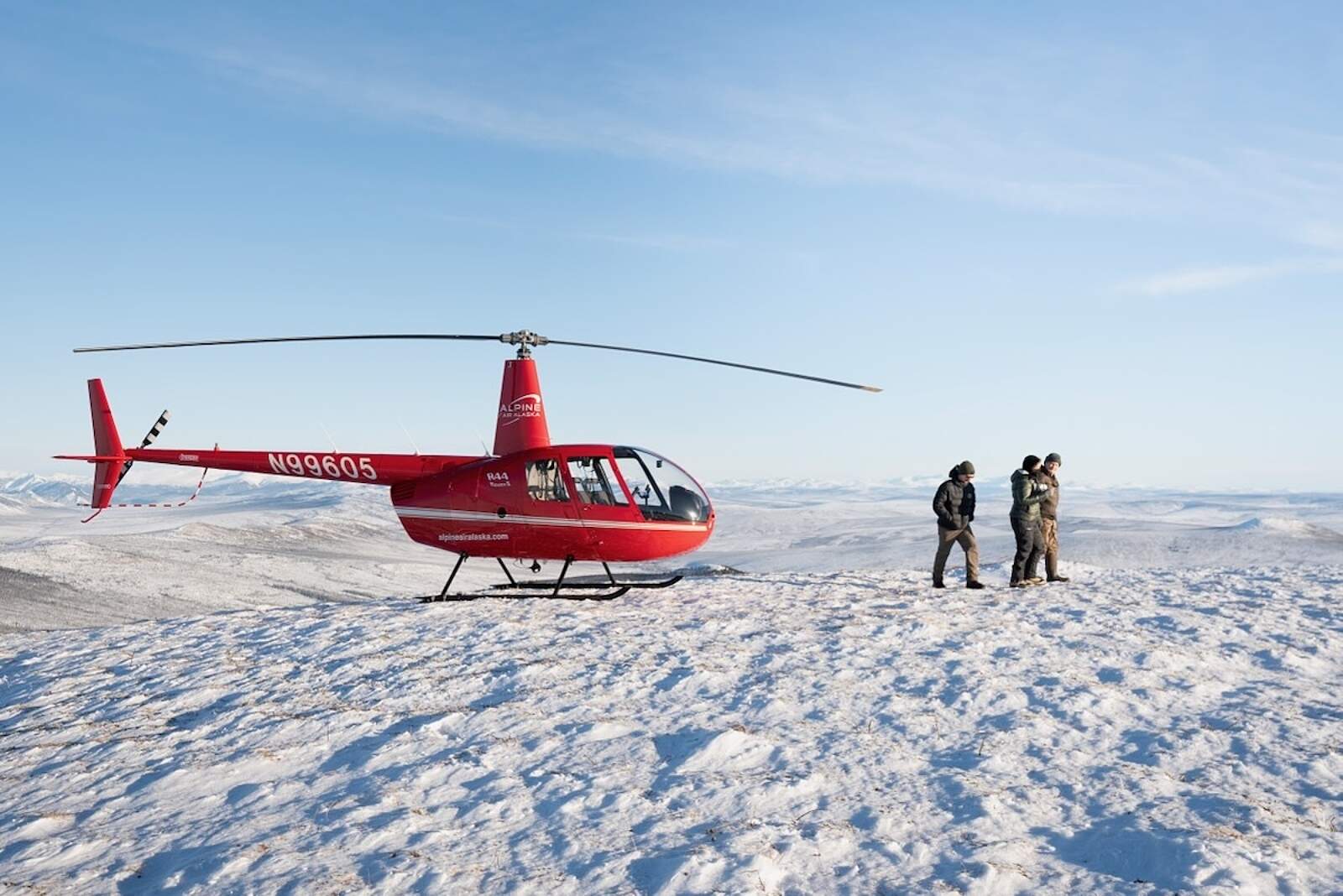
- Used experiences like helicopter rides and ATV tours to create year-round demand.
Now they have 8 operational months with ~90 peak nights per year.
Seasonality isn’t a done deal if you're willing to get creative.
3. They Framed Everything Around the Main Attraction
The Borealis Basecamp made all its design and build decisions around making the Northern Lights the star of the show.
- Beds positioned for aurora viewing
- Curved glass ceilings inside the domes
- Minimal interiors that don’t compete with the view
- Unique on-theme style builds that blend into the environment (igloos and cubes)
The stay itself forces you to engage with the environment.
4. They Built for a Very Specific Guest
Borealis isn’t for everyone—and that’s the point. It's a very specific rental for a very specific guest.
Their ideal guest:
- Is willing to travel internationally
- Is chasing a bucket-list experience
- Values moments over convenience and luxury amenities
That guest lives all over the world, which massively expands demand.
When you try to please everyone, you become forgettable. When you serve one guest exceptionally well, they’ll cross oceans for you.
5. They Monetized and Upsell (Without Ruining the Experience)
Once guests arrive, Borealis doesn’t just house them — it hosts them.
On-site and partnered experiences include:
- Dog sledding
- Snowmobile tours
- UTV excursions
- Aurora portrait photography
- Reindeer meet-and-greets
- Helicopter flightseeing
- Guided Arctic Circle trips
Each adds revenue and deepens the experience. Every experience makes sense for the location and the guest avatar.
6. The Restaurant Is a Symbiotic Business
In a remote location, Borealis solved two problems at once.
They built a destination-worthy restaurant that:
- Elevates the guest experience
- Generates revenue independently
They even offer three distinct dining experiences, each designed around different guest preferences: Latitude 69 (For fine diners and romantic dinners), The Pub (for unwinding in the evenings), and Basecamp Cafe (for relaxed meals and refreshments).
The Bigger Takeaway
Here's what Adriel and the Basecamp team nailed that hosts need to pay attention to:
- Find unfair location advantages (instead of chasing hotspots)
- Finding a place with a viral visual moment (and selling it)
- Creating bucket-list-worthy experiences
- Designing with ruthless clarity on why someone would travel for you
- Not being afraid to start small and expand later
That’s how you turn frozen forest land into a $100M+ travel brand.
Ready to turn your own bold vision into bucket-list Airbnb? Book a free call with our coaches to turn ideas into action.